Shekhawat backs Modi's call for domestic tourism amid West Asia tensions

Synopsis
Union Tourism Minister Gajendra Singh Shekhawat on 25 May 2026 amplified PM Modi's appeal urging Indians to prioritise domestic tourism over foreign travel amid West Asia tensions, linking the move to foreign exchange savings and the Atmanirbhar Bharat campaign.
Key Takeaways
PM Narendra Modi issued an appeal to all Indians to prioritise domestic tourism over foreign travel in view of the current situation in West Asia .
Union Tourism Minister Gajendra Singh Shekhawat publicly amplified the appeal on 25 May 2026 via X.
The push is framed as a means to conserve foreign exchange and support the Indian economy .
The appeal is explicitly linked to the Atmanirbhar Bharat Abhiyan , first launched in May 2020 .
The domestic hospitality sector — hotels, tour operators, and local tourism economies — stands to benefit if the appeal gains traction.
Follow-up policy measures from the Ministry of Tourism , including campaigns or incentives, are anticipated.
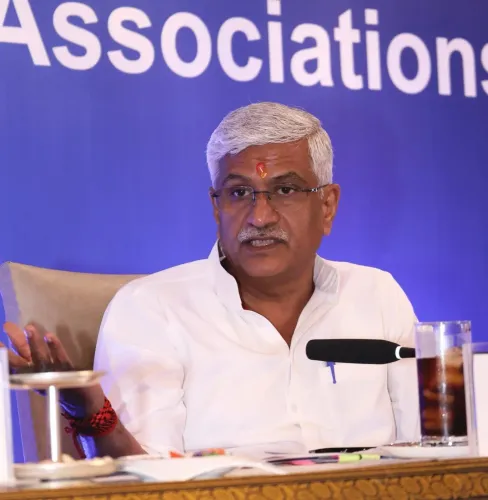
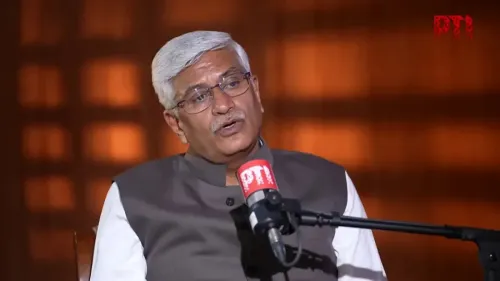
Union Culture and Tourism Minister Gajendra Singh Shekhawat on Monday, 25 May 2026, amplified Prime Minister Narendra Modi's appeal to Indian citizens to prioritise domestic travel over foreign trips, citing the prevailing situation in West Asia as a key reason to conserve foreign exchange and strengthen the national economy.
Context
Shekhawat's post, shared in Hindi on X, relayed the Prime Minister's call to action: 'rashtrihit mein videshi yatraon ke bajay gharelu paryatan ko prathamikta den' — 'in the national interest, prioritise domestic tourism over foreign travel.' The minister urged citizens to resolve to explore India's own travel destinations during what he described as a 'challenging time.'
The appeal directly links the ongoing geopolitical situation in West Asia to a domestic economic response, framing reduced outbound travel as an act of national service. The post also notes that such a shift would lead to savings in foreign exchange and provide momentum to the Atmanirbhar Bharat campaign.
Policy Backdrop
The Atmanirbhar Bharat Abhiyan, launched by Prime Minister Modi in May 2020, established a broad framework of self-reliance across sectors — including tourism — by encouraging Indians to reduce dependence on foreign goods, services, and destinations. Shekhawat's post explicitly invokes this campaign, framing the domestic tourism push as a continuation of that policy arc.
Successive Indian governments have historically promoted domestic travel during periods of international instability, both to conserve foreign currency outflows and to channel spending into the local hospitality and services sector. The current appeal reinforces that pattern, with the added weight of a direct Prime Ministerial call.
Stakeholders and Impact
The appeal, if widely heeded, stands to benefit India's domestic hospitality sector — hotels, tour operators, transport providers, and local tourism-dependent communities — who have long sought stronger government messaging in favour of inbound and domestic travel. Foreign exchange conservation is an added macroeconomic benefit, particularly relevant when outbound travel spending weighs on the current account.
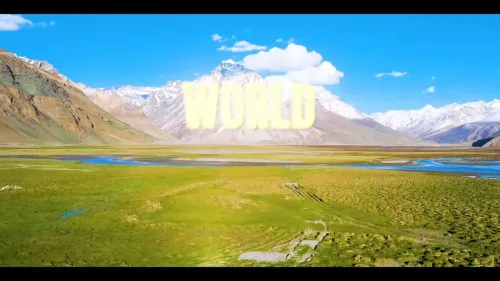
For ordinary Indian travellers, the message is a nudge to redirect holiday budgets toward destinations within the country, from the hill stations of Himachal Pradesh and Uttarakhand to coastal and heritage circuits. The minister's post uses the mountain emoji and the Indian tricolour to underscore the patriotic framing of the appeal.
What's Next
Observers will watch whether the Ministry of Tourism follows up with concrete incentives — such as fare subsidies, promotional campaigns, or expanded tourism infrastructure — to translate the Prime Minister's appeal into measurable footfall at domestic destinations. Quarterly data on domestic tourist arrivals will be a key indicator of whether the messaging has a tangible impact on travel behaviour.
With the ministry now publicly aligned behind the appeal, a coordinated campaign across state tourism boards and the private hospitality sector appears likely in the near term.
Point of View
Using the Atmanirbhar Bharat framework as a ready-made ideological scaffold. By having a senior Cabinet minister amplify a Prime Ministerial appeal on social media, the government signals policy seriousness without yet committing to specific fiscal measures. The tourism sector, chronically underfunded relative to its economic potential, will be watching closely to see whether the rhetoric is followed by incentive structures. The move also fits a broader pattern of the BJP government deploying nationalist sentiment as a lever for consumer behaviour change — a strategy with a mixed but not negligible track record.
NationPress
13 Oct 2026
Frequently Asked Questions
Why is PM Modi asking Indians to avoid foreign travel in 2026?
PM Modi has appealed to Indians to prioritise domestic tourism over foreign travel in view of the current geopolitical situation in West Asia, with the aim of conserving foreign exchange and strengthening the Indian economy.
What is the Atmanirbhar Bharat connection to domestic tourism?
The Atmanirbhar Bharat Abhiyan, launched in May 2020, promotes self-reliance across sectors. The current domestic tourism appeal extends this framework by encouraging Indians to keep travel spending within the country rather than abroad.
What did Tourism Minister Gajendra Singh Shekhawat say about domestic travel?
On 25 May 2026, Shekhawat posted on X urging citizens to resolve to explore India's tourist destinations during this challenging time, echoing PM Modi's appeal and linking domestic travel to foreign exchange savings and the Atmanirbhar Bharat campaign.
How does domestic tourism help India's economy?
Domestic tourism keeps travel spending within the country, supports the hospitality sector, generates local employment, and reduces foreign exchange outflows — all of which contribute to a stronger current account and broader economic resilience.
Which Indian destinations are being promoted under this appeal?
No specific destinations were named in the minister's post, but India's diverse tourism circuits — including mountain, coastal, and heritage destinations — are broadly implied as alternatives to foreign travel.