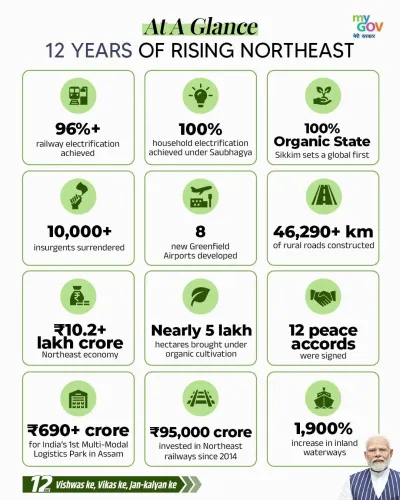
Shekhawat hails Northeast as India's growth engine at 12-year mark
Synopsis
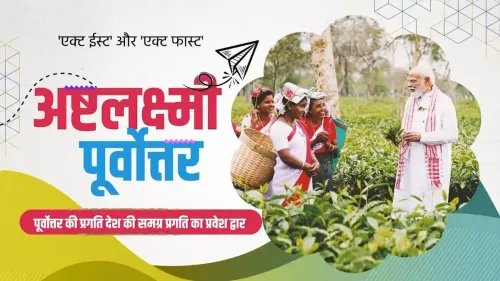
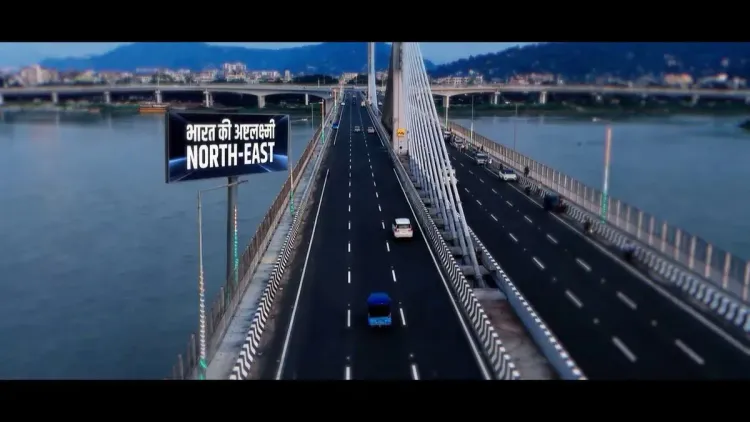
Union Culture and Tourism Minister Gajendra Singh Shekhawat marked twelve years of Northeast development on 20 June 2026, calling the Ashtalakshmi eight-state region India's growth engine — a transformation driven by the Act East Policy, rising infrastructure investment and cultural tourism promotion since 2014.
Key Takeaways
Union Minister Gajendra Singh Shekhawat posted on 20 June 2026 under #12YearsOfRisingNorthEast , calling the Northeast India's growth engine.
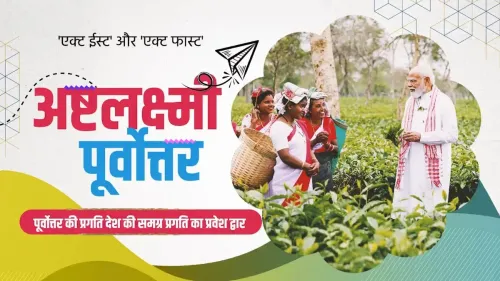
The Ashtalakshmi tag covers eight states: Arunachal Pradesh, Assam, Manipur, Meghalaya, Mizoram, Nagaland, Sikkim and Tripura .
The Act East Policy , relaunched in 2014 , repositioned the Northeast as India's gateway to Southeast Asia .
The Northeast Industrial Development Scheme (2017) provides fiscal incentives to spur industry and employment in the region.
Shekhawat's Culture and Tourism portfolio places him at the centre of heritage-led economic integration efforts in the Northeast.
The North Eastern Council plenary and the next Union Budget will be key tests of sustained government commitment to the region.
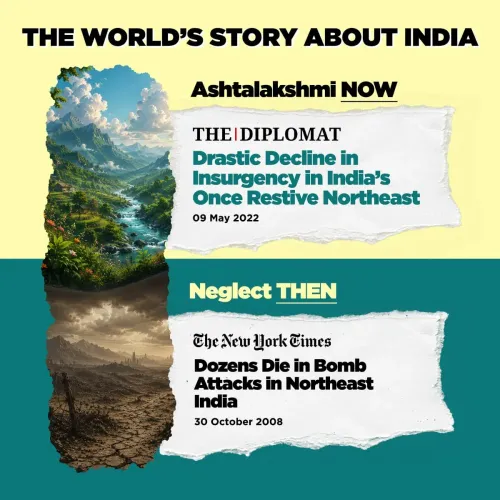
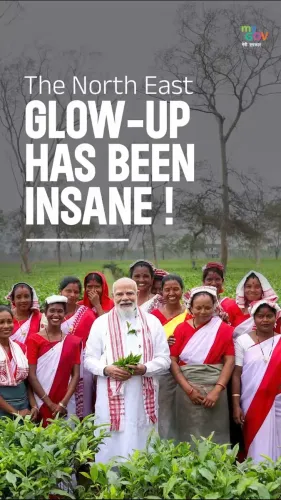
Union Culture and Tourism Minister Gajendra Singh Shekhawat on Saturday, 20 June 2026, marked twelve years of accelerated development in India's Northeast by describing the eight-state region — collectively called Ashtalakshmi — as the country's emerging growth engine, a sharp contrast to its historic marginalisation from the national mainstream.
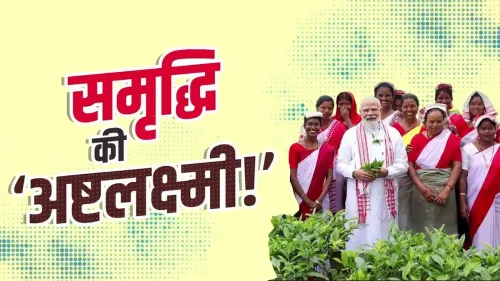
Posting under the hashtag #12YearsOfRisingNorthEast, Shekhawat wrote: 'Ashtalakshmi poorvottar kshetra kabhi vikas ki mukhyadhara se door tha, aaj ye samridhi, saamarthya aur sambhavnaon ke saath Bharat ka growth engine ban raha hai' — 'The Ashtalakshmi Northeast, once distant from the mainstream of development, is today becoming India's growth engine, carrying with it prosperity, capability and possibilities.'
Context
The term Ashtalakshmi — meaning 'eight forms of the goddess of prosperity' — refers to the eight northeastern states: Arunachal Pradesh, Assam, Manipur, Meghalaya, Mizoram, Nagaland, Sikkim and Tripura. The phrase has been adopted by the ruling dispensation to reframe the region's identity from one of conflict and underdevelopment to one of cultural richness and economic potential. Shekhawat's post, accompanied by a video, comes as part of a broader government communications effort to mark twelve years of what the Bharatiya Janata Party government describes as transformative engagement with the region since 2014.
Policy Backdrop
The current phase of Northeast engagement traces to the Act East Policy, relaunched at the 2014 ASEAN-India Summit, which repositioned the Northeast as India's strategic and economic gateway to Southeast Asia. The policy shifted the dominant framework from security-centric management of insurgencies to development-centric integration through roads, railways, broadband and cultural corridors. A dedicated Ministry of Development of North Eastern Region (DoNER) — established in 2001 — has served as the nodal body coordinating infrastructure and welfare spending across the eight states.
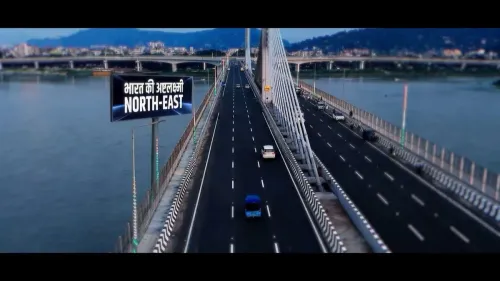
In 2017, the Northeast Industrial Development Scheme was notified to provide fiscal incentives for industrial units and spur employment generation in a region historically dependent on central transfers. Successive Union Budgets since 2014 have raised outlays for connectivity projects, including strategic road and rail links that were long delayed due to difficult terrain and security concerns.
Stakeholders and Impact
The cultural and tourism dimension of Northeast development — an area directly within Shekhawat's ministerial portfolio — has gained particular attention as a tool for economic integration. Promotion of the region's biodiversity, living-root bridges, tribal heritage festivals and adventure tourism circuits is positioned as both a revenue driver for local entrepreneurs and a soft-power instrument for deepening ties with neighbouring countries. Residents of the eight states, who have long cited geographic isolation and connectivity deficits as barriers to opportunity, stand as the primary stakeholders of this policy arc.
Tourism sector players, including hospitality businesses and tour operators based in the Northeast, are expected to benefit from sustained central attention to the region's branding and infrastructure. The framing of the Northeast as a 'growth engine' also carries significance for investors evaluating industrial and logistics opportunities in the corridor linking India with Myanmar, Bangladesh and ASEAN markets.
What's Next
Observers will watch for concrete announcements tied to the twelve-year milestone, including any new tourism circuits, cultural festival calendars or infrastructure project completions flagged by the government. The next North Eastern Council plenary and forthcoming Union Budget allocations for DoNER will serve as key indicators of whether the rhetorical elevation of the Northeast translates into sustained fiscal commitment. As Culture and Tourism Minister, Shekhawat is positioned to drive the next phase of heritage-led economic development in the region.
Point of View
Anchoring a twelve-year development narrative to the BJP's 2014 baseline and reinforcing the 'Ashtalakshmi' brand the party has cultivated for the Northeast. The choice of a Culture and Tourism Minister — rather than the DoNER Minister — to amplify this message signals the government's intent to foreground soft-power and heritage-economy arguments alongside hard infrastructure. This fits a broader pattern in which the ruling party uses milestone hashtag campaigns to consolidate electoral and aspirational messaging in strategically sensitive frontier regions. Whether the rhetoric is matched by measurable outcomes in connectivity, industrial growth and tourism arrivals will determine how this narrative ages.
NationPress
18 Sept 2026
Frequently Asked Questions
What is the Ashtalakshmi Northeast that Shekhawat mentioned?
Ashtalakshmi refers to the eight northeastern states of India — Arunachal Pradesh, Assam, Manipur, Meghalaya, Mizoram, Nagaland, Sikkim and Tripura — a term used to reframe the region's identity around prosperity and cultural richness.
What is #12YearsOfRisingNorthEast about?
The hashtag marks twelve years since 2014, when the BJP-led central government relaunched the Act East Policy and began prioritising Northeast development through higher budgetary outlays, connectivity projects and cultural promotion.
What is the Act East Policy and how does it relate to the Northeast?
The Act East Policy, relaunched at the 2014 ASEAN-India Summit, positions India's Northeast as the country's strategic and economic gateway to Southeast Asia, driving investment in roads, railways and trade corridors across the eight states.
What is the Ministry of Development of North Eastern Region (DoNER)?
DoNER is the central ministry established in 2001 to coordinate planning and accelerate infrastructure and welfare programmes across the eight northeastern states, serving as the nodal body for regional development funding.
Why is Gajendra Singh Shekhawat involved in Northeast development?
As Union Minister of Culture and Tourism, Shekhawat oversees promotion of the Northeast's heritage, tribal festivals and adventure tourism circuits — tools the government uses alongside infrastructure investment to drive economic integration in the region.