NEET-PG 2025-26 cut-off row: Centre forms 12-member expert panel, SC gives 8 weeks
Synopsis
The Centre has told the Supreme Court it has set up a 12-member expert panel — chaired by the DGHS — to audit the NEET-PG 2025-26 admission system after a PIL challenged the controversial reduction of qualifying cut-offs to zero or even negative percentiles. With over 20,000 PG seats at stake and a constitutional challenge on the table, the panel's eight-week report could redefine how India sets medical admission thresholds.
Key Takeaways
The Centre constituted a 12-member expert committee chaired by DGHS Dr Loveneesh G.
Krishna to audit the NEET-PG 2025-26 admission system.
The Supreme Court directed the panel to consult stakeholders and submit its report within eight weeks .
The committee was formed via an office order dated 23 July and includes representatives from NBE, NMC, NTA, NIC , and the Union Health Ministry .
The Centre's affidavit states nearly 20,000 PG medical seats were at risk of going vacant, prompting the cut-off reduction that made over one lakh additional candidates eligible.
NBEMS clarified it had no role in the decision; it noted 95,913 additional candidates became eligible under the revised cut-off.
The PIL, filed by advocate Satyam Singh Rajput , argues the reduction violates Articles 14 and 21 of the Constitution and compromises patient safety.
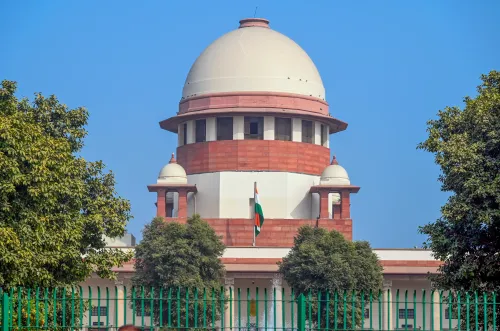
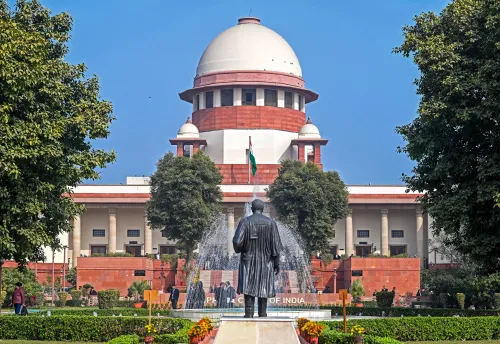
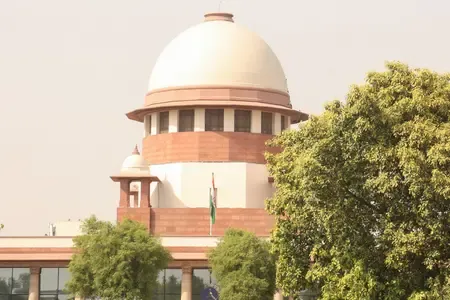
The Centre on Tuesday, 4 August informed the Supreme Court that it has constituted a 12-member expert committee — chaired by Director General of Health Services (DGHS) Dr Loveneesh G. Krishna — to audit the NEET-PG 2025-26 admission system and address the controversy surrounding the drastic reduction of qualifying cut-off percentiles. The apex court has directed the panel to submit its report within eight weeks, after consulting stakeholders.
What the Expert Committee Will Do
The committee, constituted via an office order dated 23 July by the Directorate General of Health Services (DGHS), has been tasked with conducting a comprehensive audit of the existing NEET-based admission system. It will identify gaps and lacunae in the process and suggest practical, implementable solutions.
Beyond the DGHS chair, the panel includes senior officials from the National Board of Examinations (NBE), the National Medical Commission (NMC), the National Testing Agency (NTA), the Union Health Ministry, and the National Informatics Centre (NIC) — a cross-institutional composition designed to bring multiple regulatory perspectives to the audit.
What the Supreme Court Directed
A bench of Justices P.S. Narasimha and Alok Aradhe was hearing a public interest litigation (PIL) filed by advocate Satyam Singh Rajput, which challenges the decision to lower NEET-PG qualifying cut-offs to abnormally low, zero, or even negative percentiles — after results had been declared and two rounds of counselling completed.
Additional Solicitor General (ASG) Aishwarya Bhati, appearing for the Union government, submitted that the committee was constituted in compliance with the court's earlier directions. 'We have set up a committee as per your lordships' directions. We will do the exercise and submit a report,' she told the bench.
Taking the 23 July office order on record, the court directed the committee to invite suggestions from various stakeholders before finalising its findings. The matter has been posted for further hearing after eight weeks.
The Centre's Defence of the Cut-Off Reduction
The Union government has defended the reduction, stating it was taken after detailed deliberations by expert bodies to prevent a large-scale wastage of postgraduate medical seats. According to the Union Ministry of Health and Family Welfare's affidavit, nearly 20,000 postgraduate medical seats were likely to go vacant nationwide, prompting a review of the qualifying threshold.
The ministry added that the revised cut-off made more than one lakh additional candidates eligible for the third round of counselling without altering inter se merit. It also pointed out that a similar reduction to zero percentile had been undertaken in 2023, establishing a prior precedent.
The National Board of Examinations in Medical Sciences (NBEMS), in a separate affidavit, clarified that it had no role in the decision and noted that the revised cut-off rendered 95,913 additional candidates eligible for counselling.
The Petitioner's Challenge
The PIL contends that lowering qualifying standards to zero or negative percentiles after the selection process had commenced is arbitrary and unconstitutional, violating Articles 14 and 21 of the Constitution. The petition argues that permitting candidates with such scores to enter postgraduate medical training compromises patient safety, public health, and the integrity of medical education. It further asserts that the 'rules of the game' cannot be altered once the process is underway.
What Happens Next
The expert committee is expected to begin stakeholder consultations immediately and submit its report to the Supreme Court within eight weeks. The court's next hearing on the matter is scheduled thereafter. The outcome of the audit could reshape how NEET-PG qualifying thresholds are set in future cycles — and potentially establish a judicial precedent on mid-process rule changes in competitive medical admissions.
Point of View
But why India's postgraduate medical seat utilisation remains so poor that emergency threshold cuts keep becoming necessary. Without addressing that root cause — including seat distribution, stipend adequacy, and specialty mismatches — the audit risks producing a procedural fix for a systemic failure.
NationPress
4 Aug 2026
Frequently Asked Questions
Why has the Centre formed an expert committee for NEET-PG 2025-26?
The Centre constituted a 12-member expert committee, chaired by DGHS Dr Loveneesh G. Krishna, in compliance with the Supreme Court's directions to audit the NEET-PG 2025-26 admission system. The move follows a PIL challenging the government's decision to drastically reduce qualifying cut-off percentiles — including to zero or negative levels — after results were declared and two rounds of counselling were completed.
What is the NEET-PG cut-off percentile controversy about?
The controversy centres on the Union government's decision to lower the qualifying cut-off for NEET-PG 2025-26 to abnormally low, zero, or even negative percentiles after the selection process had already begun. The Centre says the move was necessary to prevent nearly 20,000 postgraduate medical seats from going vacant; critics and the petitioner argue it is arbitrary, unconstitutional, and compromises patient safety.
What has the Supreme Court directed in the NEET-PG case?
The Supreme Court bench of Justices P.S. Narasimha and Alok Aradhe has directed the expert committee to invite suggestions from various stakeholders and submit a comprehensive report within eight weeks. The court took on record the DGHS office order dated 23 July constituting the panel and has posted the matter for further hearing after the report is submitted.
Who is affected by the NEET-PG cut-off reduction?
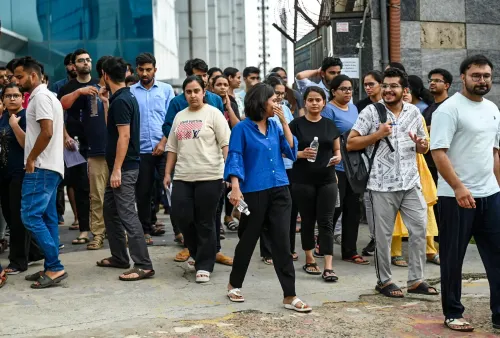
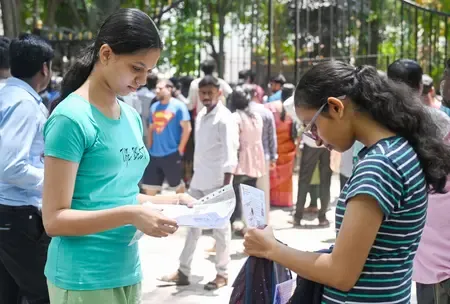
According to government affidavits, the revised cut-off made more than one lakh additional candidates eligible for the third round of counselling. The National Board of Examinations in Medical Sciences (NBEMS) separately stated that 95,913 additional candidates became eligible. The change affects aspiring postgraduate medical students, existing PG seat holders, and indirectly, the patients who will eventually be treated by these doctors.
Has a zero-percentile cut-off been used for NEET-PG before?
Yes. The Union government's affidavit notes that a similar reduction to zero percentile was undertaken in 2023, which the Centre has cited as precedent for the current decision. However, the petitioner argues that repeated use of such measures does not make them constitutional, particularly when applied after the selection process has commenced.