Shekhawat Hails Jodhpur's Heritage and Development
Synopsis
Union Culture and Tourism Minister Gajendra Singh Shekhawat marked the morning of 3 July 2026 with a celebratory Hindi post on X praising Jodhpur — his constituency — as a city where unmatched heritage meets golden development, reflecting the BJP government's consistent cultural-economic narrative around Rajasthan's historic cities.
Key Takeaways
Gajendra Singh Shekhawat , Union Minister of Culture and Tourism and Lok Sabha MP from Jodhpur , posted on X on 3 July 2026 celebrating the city.
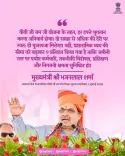
The Hindi post translates as: 'Morning of the Sun City: heritage unmatched, development golden!' — invoking Jodhpur's popular sobriquet Suryanagari .
Jodhpur is a key node in the central government's Swadesh Darshan scheme (launched 2014-15 ), which funds heritage tourist circuits across Rajasthan.
The post reflects the BJP-led government's broader policy framing of heritage conservation as an economic development tool in historic Indian cities.
Next Union Budget allocations for Rajasthan's culture and tourism circuits will be a key indicator of follow-through on this narrative.
Union Culture and Tourism Minister Gajendra Singh Shekhawat on Friday, 3 July 2026, celebrated Jodhpur — his Lok Sabha constituency — with a morning post on X that paired the city's ancient heritage with its contemporary development trajectory, capturing the sentiment in a crisp Hindi phrase.
Context
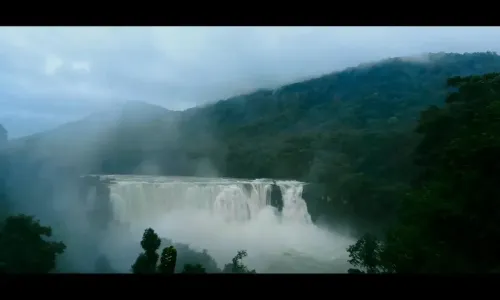
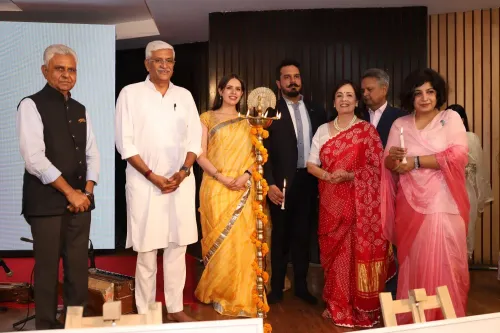
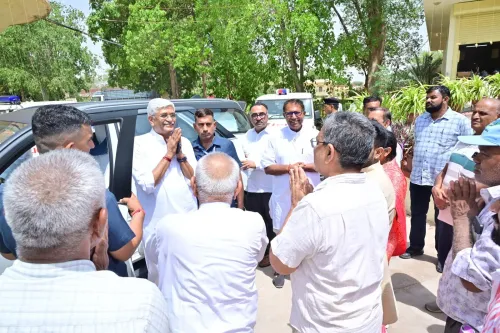
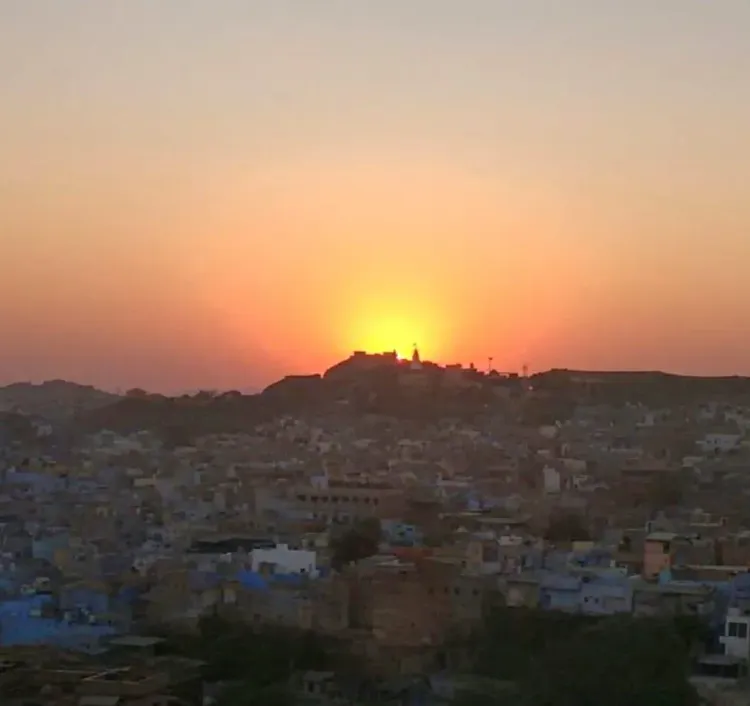
Shekhawat's post reads: 'Suryanagari ki subah: virasat apratim, vikas swarnim!' — translated as 'Morning of the Sun City: heritage unmatched, development golden!' The phrase 'Suryanagari' (City of the Sun) is Jodhpur's popular sobriquet, a reference to the city's sun-drenched sandstone landscape and its ancient association with solar imagery. The post was accompanied by an image, reinforcing the visual identity of the city.
As the sitting Lok Sabha MP from Jodhpur and a senior BJP leader, Shekhawat regularly uses his social media presence to spotlight the city, weaving together cultural pride and the government's development narrative.
Policy Backdrop
Jodhpur is home to landmark heritage sites, most notably Mehrangarh Fort, one of India's largest and best-preserved medieval fortresses. The city has been a focal point of the central government's Swadesh Darshan scheme, launched in 2014-15, which funds theme-based tourist circuits — including heritage circuits across Rajasthan.
Shekhawat's dual portfolio of Culture and Tourism places him at the intersection of conservation policy and economic development through tourism. The BJP-led central government has consistently framed heritage conservation not as a standalone cultural exercise but as an engine of local employment and urban economic growth in historic cities like Jodhpur.
Stakeholders and Impact
Jodhpur's residents, artisan communities, and the hospitality sector stand as primary stakeholders in the city's tourism economy. The city draws both domestic and international visitors, making central government attention to its heritage infrastructure directly consequential for livelihoods tied to the tourism value chain.
For heritage tourists, Jodhpur represents one of Rajasthan's 'Blue City' experiences — a term derived from the indigo-washed houses of the old city that cluster around Mehrangarh Fort. Any sustained policy focus on the city's heritage circuits and urban amenities has broad implications for visitor numbers and local economic activity.
What's Next
Watchers of central culture and tourism policy will track the next Union Budget for allocations specifically directed at heritage circuits in Rajasthan, including Jodhpur. State-central coordination meetings on urban tourism infrastructure in the city will also be a key indicator of how the 'golden development' framing translates into ground-level projects.
With Shekhawat holding both the Culture and Tourism portfolios, Jodhpur is well-positioned to remain a test case for the government's integrated heritage-and-development model — one that seeks to make India's historic cities economically vibrant without compromising their architectural and cultural character.
Point of View
And Jodhpur serves as a visible showcase for that agenda. The choice of a Hindi phrase rich in imagery ('Suryanagari', 'swarnim') signals outreach to a vernacular audience even on an English-dominant platform. Analysts will watch whether this rhetorical investment is matched by budget allocations and infrastructure projects in the city's heritage circuits.
NationPress
3 Jul 2026
Frequently Asked Questions
Why is Jodhpur called Suryanagari?
Jodhpur is called Suryanagari, or 'City of the Sun', because of its sun-drenched golden sandstone landscape, its historically sunny climate, and its ancient cultural associations with solar imagery. The nickname is widely used in tourism and political discourse to evoke the city's distinctive identity.
What is the Swadesh Darshan scheme and does it cover Jodhpur?
The Swadesh Darshan scheme, launched in 2014-15 by the central government, funds the development of theme-based tourist circuits across India, including heritage circuits in Rajasthan. Jodhpur, as a major heritage city in the state, falls within the scope of such circuits.
Who is Gajendra Singh Shekhawat?
Gajendra Singh Shekhawat is the Union Minister of Culture and Tourism in the BJP-led central government and a senior BJP leader. He is the sitting Lok Sabha MP from Jodhpur, Rajasthan.
What heritage sites make Jodhpur a tourism destination?
Jodhpur's most prominent heritage site is Mehrangarh Fort, one of India's largest and best-preserved medieval fortresses. The city's old quarter, known for its indigo-washed houses — earning it the nickname 'Blue City' — and its traditional bazaars are also major draws for domestic and international tourists.
What is the BJP government's policy on heritage cities in Rajasthan?
The BJP-led central government has consistently linked heritage conservation with urban development and tourism promotion in Rajasthan's historic cities. This approach treats cultural assets as economic drivers, channelling central funds through schemes like Swadesh Darshan to develop tourist infrastructure around heritage sites.