Shekhawat hails Vande Mataram singing in Lok Sabha
Synopsis
Union Culture Minister Gajendra Singh Shekhawat hailed the collective singing of Vande Mataram's complete verses in the Lok Sabha on 13 August 2026, calling it a deeply reverential tribute to India's freedom fighters, with Prime Minister Narendra Modi and Home Minister Amit Shah in attendance.
Key Takeaways
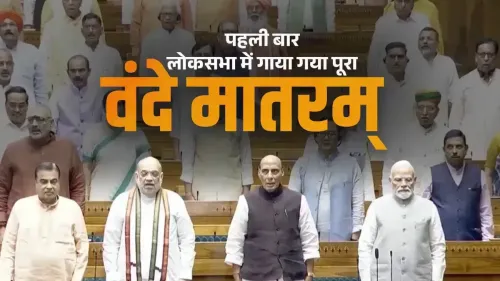
The Lok Sabha witnessed a collective rendition of the full verses of Vande Mataram on 13 August 2026 , the eve of Independence Day.
Prime Minister Narendra Modi and Union Home Minister Amit Shah were present at the event.
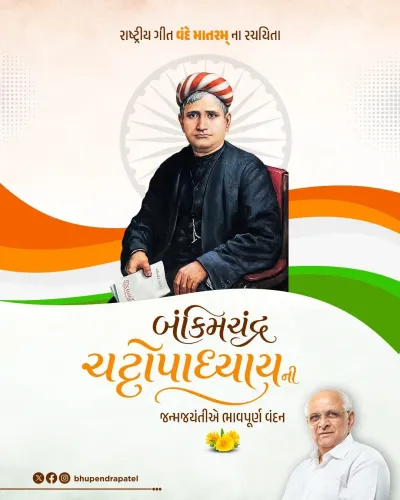
Union Culture Minister Gajendra Singh Shekhawat described the moment as 'extremely emotional and dignified.' Vande Mataram was composed by Bankim Chandra Chattopadhyay and adopted as India's national song by the Constituent Assembly in 1950 .
Shekhawat called the song a tribute to freedom fighters who 'gave everything for independence.'
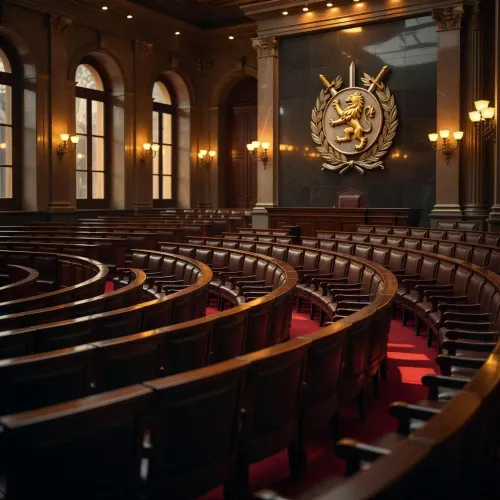
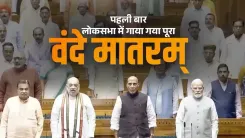
A hall full of lawmakers, a song that fuelled a revolution — and a moment Union Culture and Tourism Minister Gajendra Singh Shekhawat called 'deeply reverential and dignified.' On 13 August 2026, the Lok Sabha witnessed a collective rendition of the full verses of Vande Mataram, India's national song, in the presence of Prime Minister Narendra Modi and Union Home Minister Amit Shah — just one day before the nation marks Independence Day.
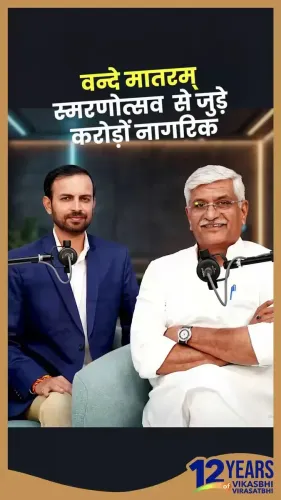
Shekhawat described the occasion in an X post, writing — 'लोकसभा में वंदे मातरम् की पूर्ण कड़ी का सामूहिक गायन भारत भूमि के प्रति गहन श्रद्धा का एक अत्यंत भावपूर्ण और गरिमामय क्षण रहा' — 'The collective singing of the full verses of Vande Mataram in the Lok Sabha was an extremely emotional and dignified moment of deep reverence for the land of India.' He called the song 'an immortal symbol of our culture, our civilisation, and the eternal saga of the freedom struggle,' and described it as a heartfelt tribute to every freedom fighter who gave everything for independence.
Vande Mataram: from Anandamath to Parliament
Vande Mataram was composed by Bankim Chandra Chattopadhyay and first appeared in his novel Anandamath. It became an anthem of the anti-colonial movement — sung at protests, carried through lathicharge, whispered in prison cells. The Constituent Assembly adopted it as India's national song in 1950, giving constitutional standing to a lyric that had already lived in the bones of the independence movement for decades. Its two opening stanzas are officially recognised; the full rendition, as performed in the Lok Sabha on this occasion, includes verses that extend that tribute to the motherland.The significance of the pre-Independence Day setting
The timing is deliberate and the symbolism unmistakable. Parliament convening on the eve of Independence Day — with the Prime Minister and Home Minister present — to sing the national song in full is a statement about institutional memory. Shekhawat framed it precisely that way: 'This occasion, held in the dignified presence of the honourable Prime Minister and the honourable Home Minister, is a matter of pride and honour for every Indian.' The BJP-led government has consistently woven national symbols into official proceedings, from parliamentary sessions to school curricula, as part of a broader emphasis on civilizational identity and cultural heritage. For the lawmakers in that chamber on 13 August 2026, the act of singing together — full verses, not an excerpt — carried a weight that no speech could quite replicate. Vande Mataram. As India steps into another year of independence, the question the moment quietly poses is whether such recitations remain ceremonial gestures or become the seed of a wider, sustained engagement with the freedom struggle's living legacy.Point of View
Invoking both civilisational continuity and individual sacrifice, reflects the Ministry of Culture's broader mandate to make heritage emotionally legible to contemporary Indians. The pre-Independence Day timing amplifies the message: Parliament itself becomes the stage for patriotic affirmation. Whether such moments translate into policy depth — new curricula, archival projects, freedom-fighter recognition — or remain primarily symbolic is the question that will define the government's cultural legacy.
NationPress
13 Aug 2026
Frequently Asked Questions
What is Vande Mataram and why is it significant?
Vande Mataram is India's national song, composed by Bankim Chandra Chattopadhyay and first published in his novel Anandamath. It became a rallying cry during the independence movement and was adopted as the national song by the Constituent Assembly in 1950.
What happened in the Lok Sabha on 13 August 2026?
Members of the Lok Sabha collectively sang the full verses of Vande Mataram on 13 August 2026, the eve of Independence Day, in the presence of Prime Minister Narendra Modi and Home Minister Amit Shah.
Who is Gajendra Singh Shekhawat?
Gajendra Singh Shekhawat is the Union Minister of Culture and Tourism, a senior BJP leader, and a Lok Sabha MP from Jodhpur, Rajasthan.
What did Shekhawat say about the Vande Mataram event?
Shekhawat called the collective singing 'an extremely emotional and dignified moment of deep reverence for the land of India' and described the song as a tribute to freedom fighters who gave everything for independence.
What is the difference between the national anthem and the national song of India?
India's national anthem is Jana Gana Mana, composed by Rabindranath Tagore. Vande Mataram, composed by Bankim Chandra Chattopadhyay, is the national song — both hold official recognition, but the anthem takes precedence at formal state occasions.