Shekhawat: India a beacon of hope amid global crisis
Synopsis
Union Culture and Tourism Minister Gajendra Singh Shekhawat declared on June 22, 2026, that India has become the world's hope amid global recession, inflation, and conflict, citing rising investment, fast growth, and a strong economy as India's defining strengths on the world stage.
Key Takeaways
Gajendra Singh Shekhawat , Union Minister of Culture and Tourism and Lok Sabha MP from Jodhpur , posted on June 22, 2026 positioning India as a global beacon of hope.
The post highlights three pillars: growing investment , rapid economic development , and a strong economy .
Shekhawat contrasted India's trajectory with nations facing recession, inflation, and war .
The messaging aligns with a broader BJP pattern of using social media to contrast India's performance with global headwinds.
Policy foundations cited in the background include the PLI schemes (2020) and the Atmanirbhar Bharat package.
Updated growth and investment figures are expected in the forthcoming Economic Survey and Union Budget .
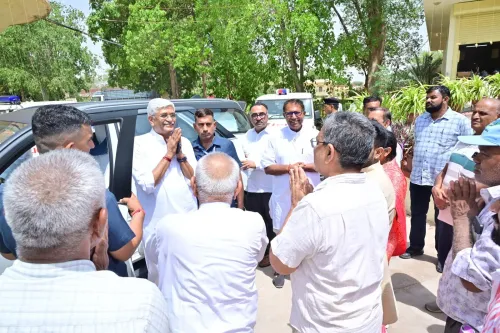
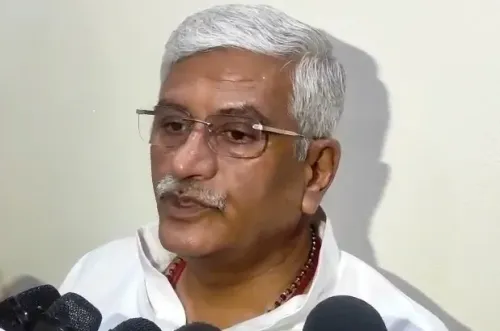
Union Culture and Tourism Minister Gajendra Singh Shekhawat on Monday, June 22, 2026, took to social media to assert that India has emerged as a symbol of hope for the world at a time when several nations are grappling with recession, inflation, and armed conflict. The senior BJP leader and Lok Sabha MP from Jodhpur, Rajasthan, highlighted rising investment, rapid economic growth, and a robust economy as the pillars of India's resilience.
Context
Shekhawat's post, written in Hindi, states: 'Vaishvik sankat mein Bharat bana duniya ki umeed' ('In a global crisis, India has become the world's hope'). He contrasts India's upward trajectory with the challenges faced by multiple countries, writing that while others struggle with recession, inflation, and war, India is 'moving forward with strength.' The post lists three pillars — growing investment, fast economic development, and a strong economy — and concludes that India is not merely advancing but also 'giving the world new hope and direction.'
Although Shekhawat's primary portfolio covers Culture and Tourism, senior ministers in the BJP-led government have routinely amplified the administration's economic narrative on social media, particularly when global conditions provide a favourable contrast.
Policy Backdrop
India's current economic positioning rests on several policy pillars introduced in recent years. The Production Linked Incentive (PLI) schemes, launched in 2020, were designed to attract large-scale manufacturing investment across sectors ranging from electronics to pharmaceuticals. Simultaneously, the Atmanirbhar Bharat package sought to strengthen domestic supply chains against the kind of global disruptions that have since intensified.
India has consistently leveraged multilateral platforms — including the G20, during which it held the presidency in 2023, and BRICS — to position itself as a stable growth engine in an otherwise turbulent global environment. Official messaging across ministries has sustained this narrative as geopolitical conflicts and inflationary pressures have continued to weigh on Western and emerging-market economies alike.
Stakeholders and Impact
Foreign investors and Indian industries are the primary audiences for this kind of political signalling. A government that consistently projects economic confidence tends to reinforce sentiment among institutional investors evaluating exposure to Indian equities, infrastructure, and manufacturing. The messaging also serves domestic audiences ahead of budget cycles, framing policy decisions within a narrative of national strength.
For sectors tied to Shekhawat's own portfolio — tourism and culture — a strong macroeconomic backdrop translates into higher consumer spending and greater appetite for inbound international tourism, both of which the ministry has been actively promoting.
What's Next
The next Economic Survey and Union Budget will provide the most authoritative data points on India's growth trajectory and investment inflows, offering either validation or a more nuanced picture of the claims being amplified by ministers. Analysts and opposition parties are likely to scrutinise those documents closely against the optimistic framing that has become a hallmark of government social media communication.
As global economic uncertainty persists, India's ability to sustain its growth momentum will determine whether this narrative of being the 'world's hope' translates into durable structural gains — or remains largely a positioning exercise on the international stage.
Point of View
It reflects a coordinated messaging discipline across the party's leadership. The absence of specific data points in the post is deliberate: the goal is sentiment-setting, not policy announcement. With the Union Budget on the horizon, such amplification primes both domestic and international audiences for a bullish official outlook.
NationPress
22 Jun 2026
Frequently Asked Questions
What did Gajendra Singh Shekhawat say about India's economy?
On June 22, 2026, Shekhawat posted on X that India has become the world's hope amid global recession, inflation, and conflict, pointing to rising investment, fast economic growth, and a strong economy as key strengths.
Why is India called a beacon of hope amid the global crisis?
Indian government officials argue that India's sustained GDP growth, increasing foreign direct investment, and stable policy environment distinguish it from economies facing recession, high inflation, or war-related disruptions.
What is Gajendra Singh Shekhawat's role in the Indian government?
Gajendra Singh Shekhawat is the Union Minister of Culture and Tourism, a senior BJP leader, and the Lok Sabha MP representing Jodhpur in Rajasthan.
What policies back India's economic resilience claim?
Key policies include the Production Linked Incentive (PLI) schemes launched in 2020 to boost manufacturing investment, and the Atmanirbhar Bharat package aimed at strengthening domestic supply chains.
When will India's official economic growth figures be updated?
The next Economic Survey and Union Budget are the primary official documents expected to provide updated and verified figures on India's GDP growth and investment inflows.