Shekhawat: India's UNESCO Tentative List grows to 78 sites
Synopsis
Union Culture Minister Gajendra Singh Shekhawat announced five new entries to India's UNESCO Tentative List on 29 September 2026, raising the total to 78. The additions include Buddhist murals at Bagh, Gupta-era Udaigiri, Chambal Valley temples, tribal heritage at Ginnorgarh, and a transnational Satyagraha proposal.
Key Takeaways
Five properties added to India's UNESCO Tentative List, taking the national total to 78 entries .
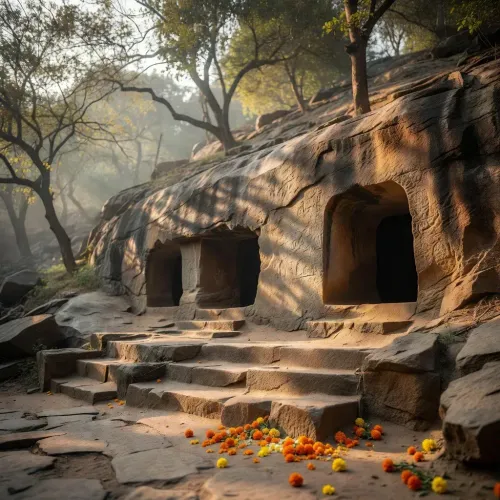
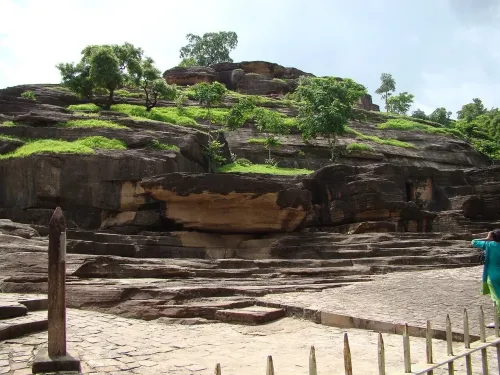
New entries include the Buddhist murals of Bagh and Gupta-era Udaigiri caves , both in Madhya Pradesh.
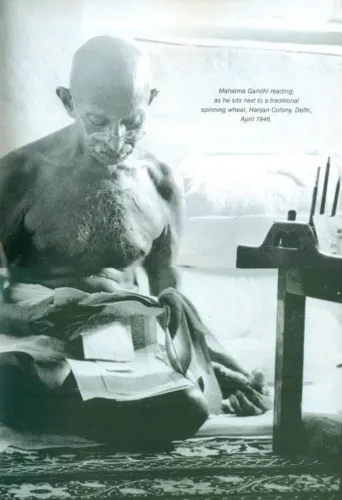
A transnational serial proposal on Satyagraha is among the additions, linking Indian freedom-movement sites to international counterparts.
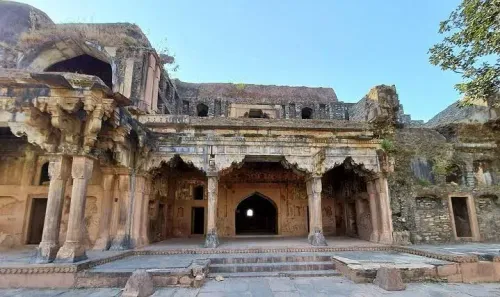
Tribal heritage of Ginnorgarh and temple clusters of the Chambal Valley broaden the list beyond dynastic monuments.
Inclusion on the Tentative List is the mandatory precursor to a formal UNESCO World Heritage nomination.
The announcement aligns with the government's stated 'Vikas Bhi, Virasat Bhi' dual-track policy on development and heritage.
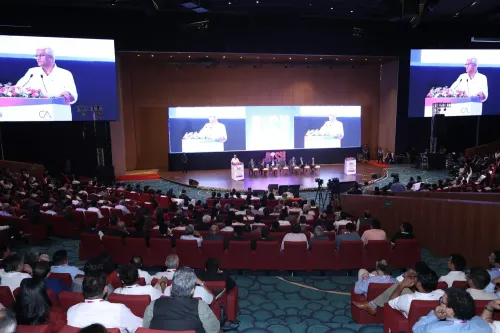
Five new properties — spanning ancient Buddhist murals, Gupta-era rock art, temple clusters, tribal heritage, and the global footprint of Satyagraha — have been added to India's UNESCO Tentative List, taking the country's total to 78, Union Culture and Tourism Minister Gajendra Singh Shekhawat announced on Tuesday, 29 September 2026. The additions signal a deliberate broadening of the range of heritage India intends to press for eventual World Heritage recognition.
Five additions that span millennia and movements
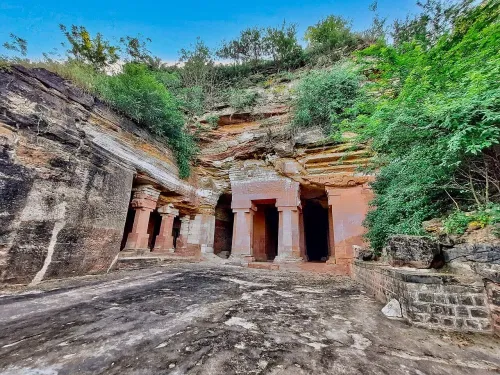
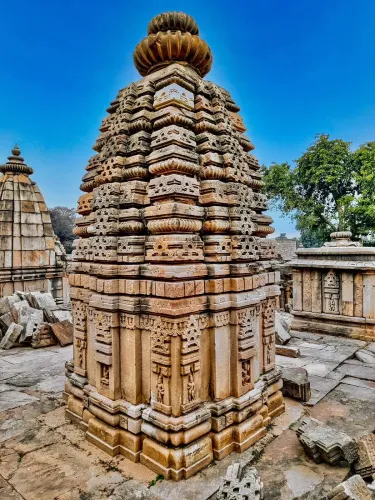
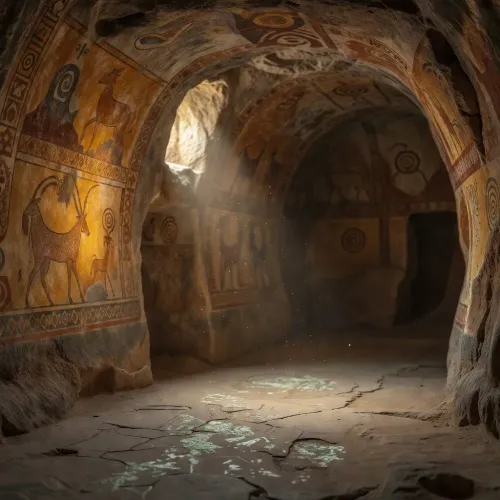
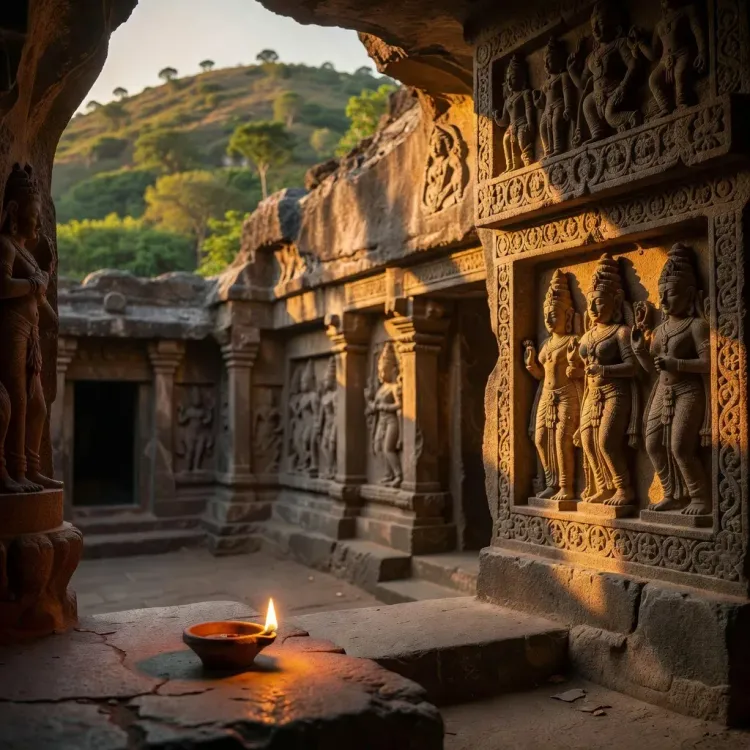
The five newly listed properties cut across geography, dynasty, and ideology. The Buddhist murals of Bagh — rock-cut caves in Madhya Pradesh renowned for their early medieval paintings — join the Gupta-era site of Udaigiri, also in Madhya Pradesh, whose rock-cut sculptures are among the finest surviving records of fifth-century Indian civilisation. Also added are the temple heritage of the Chambal Valley and the tribal legacy of Ginnorgarh, two inclusions that widen the lens beyond well-known dynastic monuments to embrace regional and indigenous heritage. The fifth addition carries the broadest global resonance: a serial and transnational proposal tracing the journey of Satyagraha, Mahatma Gandhi's philosophy of non-violent resistance, across international sites connected to the freedom movement.
From Tentative List to World Heritage: what the milestone means
A place on UNESCO's Tentative List is the mandatory first step before a country can formally nominate a site for inscription on the World Heritage List. India has periodically revised its Tentative List over the past decade, reflecting a shift in strategy — from a handful of well-documented monuments toward a broader, more representative sweep of the country's civilisational record. Reaching 78 entries signals both ambition and institutional effort: compiling a credible dossier for each site requires coordination between the Archaeological Survey of India, state governments, and heritage bodies. Shekhawat credited the expansion to 'the vision of Hon'ble PM Shri Narendra Modi ji to preserve, protect and showcase India's civilisational heritage on the global stage.'
The 'Vikas Bhi, Virasat Bhi' doctrine in action
The minister closed his post with the phrase Vikas Bhi, Virasat Bhi — 'Development too, Heritage too' — the governing slogan that frames India's cultural policy under the current administration. The phrase has become shorthand for a dual-track approach: infrastructure-led economic growth running alongside the active rescue and promotion of heritage assets. The inclusion of a transnational Satyagraha proposal is particularly noteworthy; it is an attempt to anchor India's freedom-movement legacy within the UNESCO framework, linking domestic sites to counterpart locations abroad and inviting multilateral recognition of a philosophy that shaped independence movements far beyond South Asia.
The UNESCO World Heritage Committee will be the next arena to watch — it is there that any of these 78 tentative entries must eventually survive expert scrutiny, comparative assessment, and geopolitical negotiation before receiving formal inscription. The harder, slower journey begins now.
Point of View
Unrecognised heritage into tangible soft-power assets on the world stage. The inclusion of a transnational Satyagraha proposal is strategically significant: it attempts to internationalise India's moral history and position the country as the custodian of a globally resonant idea, not merely a repository of ancient monuments. The tribal and regional additions (Ginnorgarh, Chambal Valley) suggest a deliberate correction of historical bias toward elite, Brahminic, or Mughal-era sites — a shift consistent with the BJP's broader cultural messaging. Whether the ambition survives the slow grind of UNESCO's nomination and inscription process will determine how much of this diplomatic heritage capital actually converts into recognition.
NationPress
29 Sept 2026
Frequently Asked Questions
What is India's UNESCO Tentative List and why does it matter?
India's UNESCO Tentative List is the official inventory of sites the country intends to nominate for World Heritage status. Inclusion is a mandatory first step — no site can receive a formal UNESCO nomination without first appearing on this list for at least one year.
Which five sites were added to India's UNESCO Tentative List in 2026?
The five additions announced by Culture Minister Shekhawat are: the Buddhist murals of Bagh (Madhya Pradesh), the Gupta-era caves of Udaigiri (Madhya Pradesh), the temple heritage of the Chambal Valley, the tribal legacy of Ginnorgarh, and a transnational serial proposal on Satyagraha.
How many properties are now on India's UNESCO Tentative List?
According to Minister Shekhawat's announcement on 29 September 2026, the total has reached 78 entries after the five new additions.
What is the Satyagraha transnational UNESCO proposal?
It is a serial and transnational heritage proposal that traces the global journey of Mahatma Gandhi's philosophy of non-violent resistance across multiple sites connected to the freedom movement, potentially linking Indian locations to counterpart sites in other countries.
What is 'Vikas Bhi, Virasat Bhi' in Indian heritage policy?
'Vikas Bhi, Virasat Bhi' — meaning 'Development too, Heritage too' — is the governing slogan of the Modi administration's cultural policy, articulating a dual-track approach that pursues infrastructure-led growth alongside the active preservation and global promotion of India's civilisational heritage.