Shekhawat Pitches Animal Husbandry as Rural Income Engine
Synopsis
Union Minister Gajendra Singh Shekhawat outlined a three-point agenda on 30 October 2026 — healthier animals, higher milk production, and full utilisation of cattle dung — framing animal husbandry as a structured income source for Indian farmers and villages.
Key Takeaways
Union Minister Gajendra Singh Shekhawat posted on 30 October 2026 articulating a clear three-target vision for animal husbandry.
The three goals are livestock health, increased milk production, and complete utilisation of cattle dung for manure and biogas.
The framing aligns with the Rashtriya Gokul Mission (launched 2014 ) focused on indigenous bovine breed improvement and higher dairy yields.
The National Livestock Mission further extended policy support to breed improvement, animal health, and livestock by-product value addition.
Shekhawat positioned animal husbandry explicitly as an income-raising and village-prosperity tool, not merely a cultural practice.
Budget allocations for dairy infrastructure and livestock health in upcoming parliamentary sessions will be a key measure of follow-through.
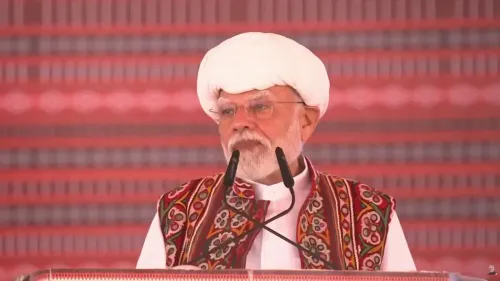
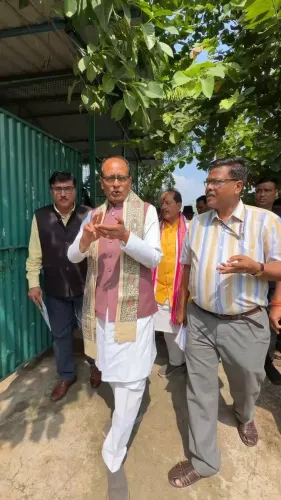
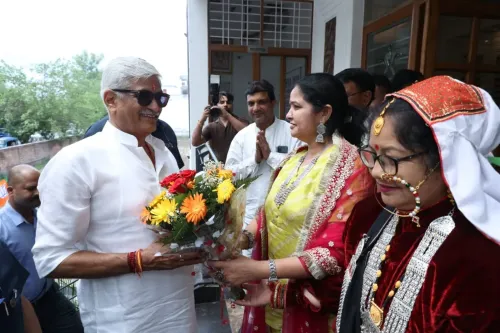
Healthy livestock, higher milk output, and zero-waste use of cattle dung — Union Minister Gajendra Singh Shekhawat on Friday, 30 October 2026, laid out a compact but pointed vision for transforming animal husbandry from a rural tradition into a structured income multiplier for India's farmers and villages.
Posting on X in Hindi, the minister wrote: 'हमारा लक्ष्य साफ है, पशु स्वस्थ हों, दूध उत्पादन बढ़े और गोबर का भी पूरा उपयोग हो।' — 'Our goal is clear: animals should be healthy, milk production should increase, and cow dung should also be fully utilised. We are making animal husbandry not just a tradition, but a means to raise farmers' incomes and make villages prosperous.'
Three Pillars, One Rural Promise
The statement is tight by design. It names three interlocking targets — livestock health, dairy productivity, and dung utilisation — that together capture the full value chain of cattle ownership for a small farmer. None of the three works without the others: a sick animal produces less milk; low productivity means dung volumes stay modest; unused dung is wasted fertiliser or biogas potential sitting on the ground.
The integrated framing echoes the logic behind the Rashtriya Gokul Mission, launched in 2014, which aimed to conserve and develop indigenous bovine breeds precisely to push milk yields higher without abandoning native cattle. The National Livestock Mission, expanded in subsequent years, extended that logic to breed improvement, animal health coverage, and value addition from livestock by-products — the same three axes Shekhawat invoked.
Dung as an Untapped Asset
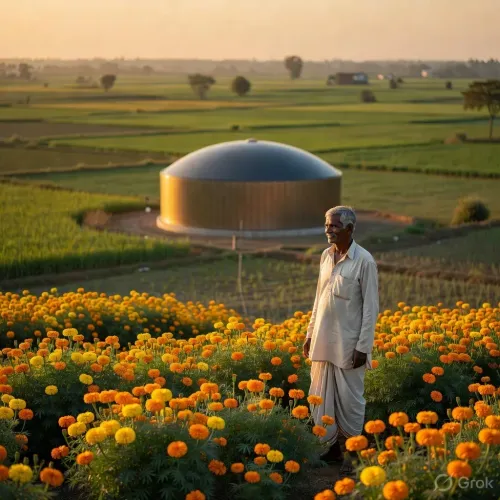
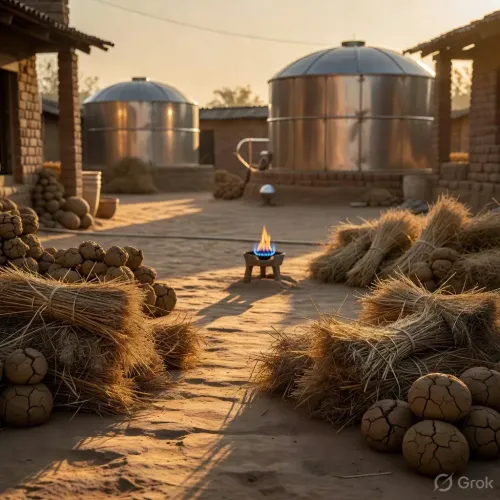
The specific callout of 'full utilisation of cow dung' is not rhetorical filler. Rural India's policy planners have long flagged organic manure and biogas from cattle waste as an underexploited resource that can simultaneously cut input costs for farmers and reduce dependence on chemical fertilisers. Several central rural development schemes have offered subsidy windows for household-level biogas plants, yet adoption remains patchy across states.
By framing dung as an explicit goal — not a footnote — the minister signals that the by-product economy of cattle rearing deserves the same policy attention as the primary dairy output.
Beyond the Crop Cycle
India's agriculture policy has for decades grappled with a structural problem: farming incomes are seasonal, weather-dependent, and increasingly squeezed. Allied activities — dairy, fisheries, poultry — offer year-round cash flows that smooth that volatility. Successive governments have promoted livestock integration as precisely this kind of income buffer for rural households.
Shekhawat's post plugs directly into that longer arc, positioning animal husbandry not as cultural heritage alone, but as an economic instrument with measurable targets. The real test, as always, will be in budget allocations and on-ground implementation — figures that upcoming parliamentary sessions are likely to scrutinise.
Point of View
Particularly dairy, are the fastest route to supplementing rural incomes without waiting for a structural overhaul of crop farming. The explicit inclusion of dung utilisation nudges the conversation toward the circular-economy end of livestock policy — an area where implementation has historically lagged rhetoric. Politically, it also lets the government speak to its core rural base on a subject that carries both economic and cultural resonance. The sharper question is whether this signals a fresh policy push or remains aspirational messaging ahead of budget season.
NationPress
30 Oct 2026
Frequently Asked Questions
What did Gajendra Singh Shekhawat say about animal husbandry?
On 30 October 2026, Minister Shekhawat stated that the government's clear goal is healthy livestock, increased milk production, and full utilisation of cattle dung, and that animal husbandry should be a means to raise farmers' incomes and make villages prosperous — not just a tradition.
What is the Rashtriya Gokul Mission?
The Rashtriya Gokul Mission is a central government scheme launched in 2014 to conserve and develop indigenous bovine breeds with the aim of improving milk productivity and supporting dairy farmers across India.
How does cow dung fit into India's rural development policy?
Cattle dung is promoted under several central schemes as a raw material for organic manure and biogas, helping reduce chemical fertiliser costs and providing additional income streams for rural households — though adoption of household biogas plants remains uneven across states.
Why is animal husbandry important for Indian farmer income?
Unlike crop farming, livestock rearing provides a year-round cash flow that cushions farmers against seasonal and weather-related income shocks, making dairy and allied activities a critical supplement to agricultural earnings for millions of rural households.
What is the National Livestock Mission?
The National Livestock Mission is a central government programme expanded in the years after 2014 to support breed improvement, animal health, and value addition from livestock by-products, complementing the Rashtriya Gokul Mission's focus on indigenous cattle breeds.