Shekhawat shares PM Modi's message on NEET paper leak bill
Synopsis
Union Minister Gajendra Singh Shekhawat shared PM Modi's address on the NEET paper leak, announcing a Cabinet-ready draft bill for fast-track courts and strict punishment, with Parliament passage targeted in the monsoon session's second week starting 27 July 2026.
Key Takeaways
PM Modi acknowledged the NEET paper leak as deeply painful for 22 lakh students and their families.
Accused individuals have been arrested and are currently in jail following action taken over the past two-and-a-half months .
Results for the re-conducted examination were declared on the 19th , with students celebrating across the country.
A draft bill proposing fast-track courts and stringent punishment for paper leaks was ready and scheduled for Cabinet discussion on 25 July 2026 .
The government intends to introduce and pass the bill in Parliament during the second week of the monsoon session, beginning Monday, 27 July 2026 .
Union Minister Shekhawat amplified the PM's message, signalling coordinated political communication on the issue.
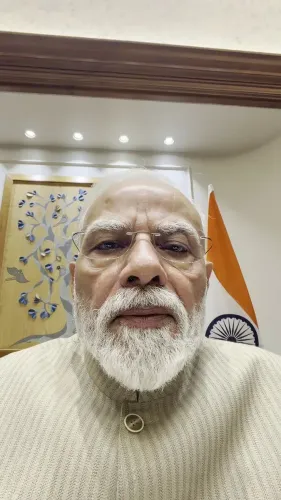
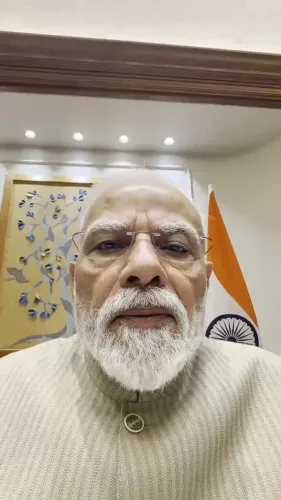
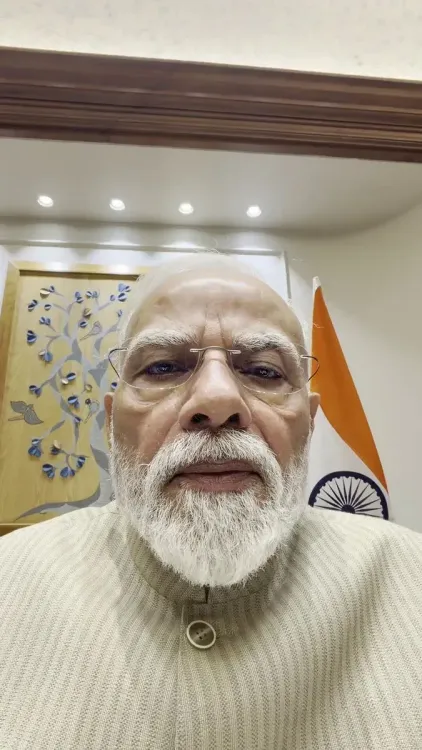
Union Culture and Tourism Minister Gajendra Singh Shekhawat on Friday, 24 July 2026, shared a video message from Prime Minister Narendra Modi addressing the nation on the NEET paper leak controversy, relaying the PM's announcement that a draft bill providing for fast-track courts and stringent punishment is ready and will be taken up in Cabinet the following day.
Context
In the video shared by Shekhawat, PM Modi acknowledged the gravity of the paper leak, saying — 'मैं जानता हूँ कि पेपर लीक कोई मामूली विषय नहीं है' ('I know that a paper leak is not a trivial matter') — and described the episode as deeply painful for the lakhs of students and their parents affected. The PM confirmed that over the past two-and-a-half months, multiple steps had been taken, including the arrest of the accused, who are now in jail.
Modi further stated that the government mobilised its full strength to conduct examinations for 22 lakh students in the shortest possible time, and that results were declared on the 19th — just five or six days before this message — with reports of celebration coming in from across the country.
Policy Backdrop
The National Eligibility cum Entrance Test (NEET) is the single national entrance examination for undergraduate medical admissions in India, conducted by the National Testing Agency (NTA). Allegations of paper leaks and irregularities in NEET triggered nationwide protests and intense political scrutiny, prompting the government to constitute a high-level committee in 2024 to review examination processes and recommend systemic reforms.
The proposed legislation, as described by PM Modi, would establish fast-track courts specifically to try paper-leak offenders and introduce provisions for stringent punishment. The PM said departments worked late into the night to deliver the draft to him the same day he issued directions, signalling urgency at the highest level of government.
Stakeholders and Impact
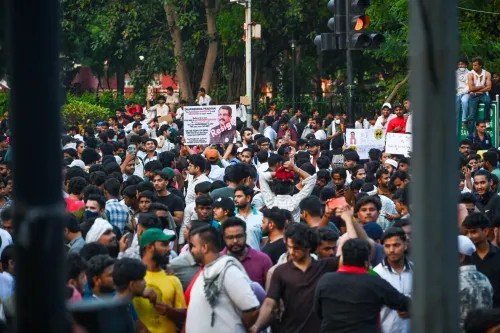
The controversy has directly affected medical aspirants across the country, for whom NEET represents years of preparation and a single high-stakes opportunity for admission to medical colleges. Parents and student groups had demanded accountability, swift re-examination, and structural reforms to prevent recurrence.
The government's stated response — arrests, re-examination logistics for 22 lakh candidates, and now a legislative proposal — is aimed at restoring public confidence in national-level entrance examinations. The broader pattern of paper-leak incidents across multiple competitive examinations has made legislative deterrence a politically significant priority.
What's Next
According to the PM's message, the draft bill was to be discussed in Cabinet on Saturday, 25 July 2026, after which it would be finalised based on Cabinet colleagues' suggestions. With the second week of the monsoon session of Parliament beginning Monday, 27 July 2026, the government indicated it would attempt to pass the bill in the Lok Sabha at the earliest opportunity.
Swift legislative action, if it materialises, would mark a significant escalation in the government's institutional response to examination malpractice — moving from executive action and re-examination to a dedicated legal framework with fast-track adjudication and harsher penalties.
Point of View
Not merely administrative, remedy. By framing the bill around fast-track courts and harsh punishment, the PM is simultaneously addressing public anger and pre-empting opposition narratives ahead of the parliamentary week. Shekhawat's role in amplifying the message underscores the BJP's broader effort to present a unified, proactive front on an issue that has resonated deeply with middle-class aspirant families. The speed of the legislative push — Cabinet one day, Parliament the next week — also reflects political calculation about the cost of prolonged debate on an education scandal.
NationPress
24 Jul 2026
Frequently Asked Questions
What is the NEET paper leak fast-track court bill?
It is a proposed piece of legislation, announced by PM Modi , that would establish fast-track courts to try individuals involved in examination paper leaks and introduce provisions for stringent punishment. The draft was scheduled for Cabinet discussion on 25 July 2026 .
When will the NEET paper leak bill be introduced in Parliament?
The government stated its intention to introduce and pass the bill during the second week of the monsoon session of Parliament, which begins on Monday, 27 July 2026 .
What action has the government taken so far on the NEET paper leak?
According to PM Modi , the accused have been arrested and are in jail. The government also conducted re-examinations for 22 lakh students , with results declared around the 19th of July 2026 .
Why did Gajendra Singh Shekhawat share PM Modi's NEET message?
Gajendra Singh Shekhawat , Union Minister of Culture and Tourism and a senior BJP leader, shared the PM's video message on X as part of the ruling party's coordinated communication effort to highlight the government's response to the NEET paper leak controversy.
How many students were affected by the NEET paper leak re-examination?
PM Modi stated that the government arranged re-examinations for 22 lakh students in the shortest possible time following the paper leak incident.