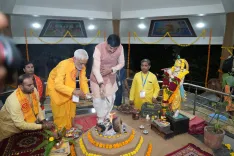
Shilp Samagam Mela 2026 draws thousands in Guwahati, spotlights 75 artisans
Synopsis
Guwahati's Shilp Samagam Mela 2026 is more than a craft fair — it is a live test of the Centre's BHARAT-TULIP programme, which bets that combining physical showcases with e-commerce access can turn traditional artisanship into a sustainable livelihood. With 75 artisans from across India, including 31 women, selling directly to thousands of visitors, the mela is a rare convergence of cultural preservation and economic policy in action.
Key Takeaways
The Shilp Samagam Mela 2026 is being held in Guwahati from 21 to 28 October 2026 , drawing several thousand visitors.
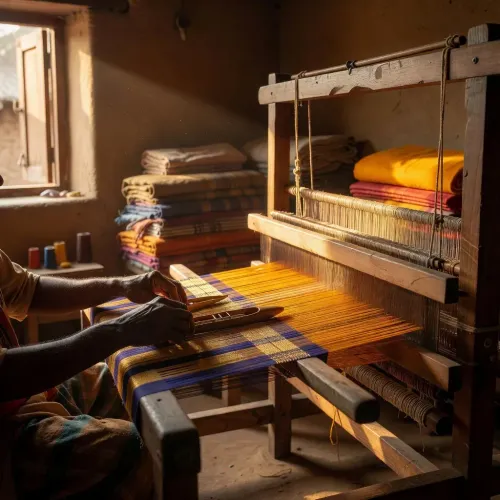
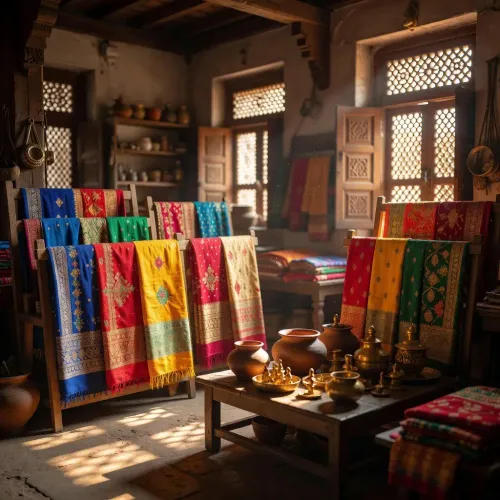
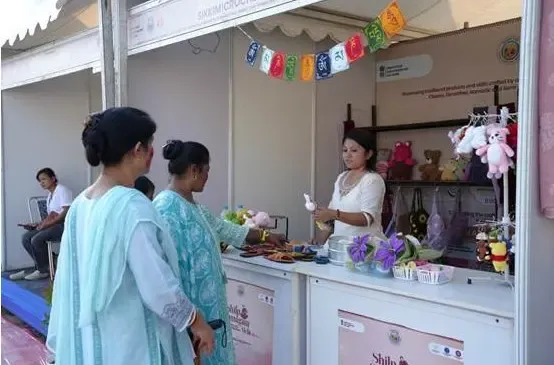
75 artisans , including 31 women artisans , are participating and displaying around 40 varieties of handloom and handicraft products.
The event is organised by the Ministry of Social Justice and Empowerment to support beneficiaries of NSFDC , NSKFDC , and NBCFDC .
BHARAT-TULIP (Traditional Artisans' Upliftment Livelihood Programme) is a key focus, promoting artisan products via physical outlets and e-commerce platforms.
Artisans from the North-eastern states feature prominently, giving the Guwahati edition a regional significance beyond craft tourism.
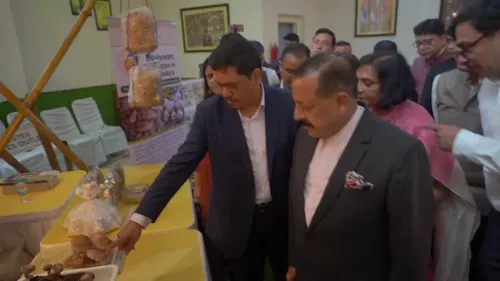
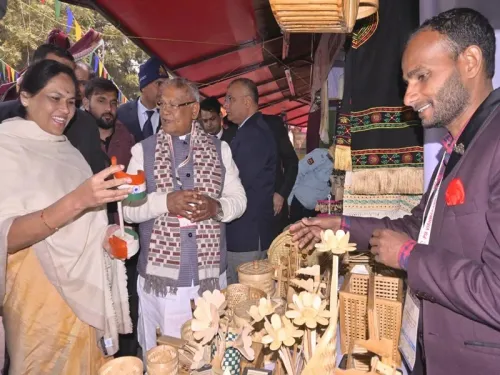
The Shilp Samagam Mela 2026 (SSM-2026) in Guwahati is drawing large crowds, with several thousand visitors turning up since its opening on 21 October 2026 to explore India's rich tradition of handicrafts and handloom products. The event, organised under the Ministry of Social Justice and Empowerment, runs until 28 October and brings together 75 artisans — including 31 women artisans — from across the country, with a notable representation from the North-eastern states.
What the Mela Showcases
Visitors can explore around 40 varieties of handloom and handicraft products at the Guwahati edition, representing diverse regional traditions from across India. A senior official of the Ministry of Social Justice and Empowerment said the participation of artisans from the North-eastern states alongside those from other parts of the country gives visitors a rare opportunity to appreciate the breadth of India's indigenous craftsmanship and cultural heritage.
The event is designed not merely as an exhibition but as a direct commerce platform, enabling artisans to sell their products, establish connections with prospective buyers and explore avenues to expand their market reach.
BHARAT-TULIP: The Digital Push for Artisans
A key focus of SSM-2026 is the promotion of BHARAT-TULIP — the Traditional Artisans' Upliftment Livelihood Programme — an initiative that facilitates marketing of artisan-made products through both physical outlets and e-commerce platforms. By integrating digital channels, the programme aims to widen customer outreach, strengthen market linkages and boost earnings for artisan communities.
The official said the initiative complements financial and developmental support with market-oriented interventions, enabling artisans to translate traditional skills into viable livelihood opportunities.
Three National Corporations Behind the Drive
SSM-2026 is an initiative of the Ministry to provide marketing support to artisans and beneficiaries associated with its three national corporations: the National Scheduled Castes Finance and Development Corporation (NSFDC), the National Safai Karamcharis Finance and Development Corporation (NSKFDC), and the National Backward Classes Finance and Development Corporation (NBCFDC). The mela provides a dedicated platform for these communities to showcase their skills and strengthen economic self-reliance.
Beyond product sales, the event is also creating awareness among visitors and participating communities about welfare schemes, financial assistance and development programmes implemented by the Ministry and its corporations.
Broader Impact and What Comes Next
By facilitating direct artisan-to-consumer interaction, the mela seeks to encourage entrepreneurship and improve sustainable livelihood opportunities for craftspeople who might otherwise struggle to access wider markets. The Guwahati edition, the official noted, is particularly significant given the region's rich but often underexposed craft traditions.
With the mela concluding on 28 October, the Ministry's broader push through BHARAT-TULIP and the three national corporations is expected to continue as a year-round effort to formalise and expand the artisan economy across India.
Point of View
But the real measure of its impact lies beyond footfall figures. BHARAT-TULIP's e-commerce integration is the more consequential thread — because artisans who can only sell at periodic physical melas remain structurally vulnerable. The Ministry's own data on how many artisans sustained market access after previous editions is conspicuously absent from its communications, and that accountability gap needs filling if these events are to be more than cultural showcases. The North-eastern artisan angle is genuinely underreported in mainstream coverage and deserves dedicated policy attention beyond a single annual event.
NationPress
26 Oct 2026
Frequently Asked Questions
What is the Shilp Samagam Mela 2026 in Guwahati?
The Shilp Samagam Mela 2026 is a national handicrafts and handloom exhibition organised by the Ministry of Social Justice and Empowerment, running from 21 to 28 October 2026 in Guwahati. It brings together 75 artisans from across India to showcase around 40 varieties of traditional products and sell directly to visitors.
Who is organising the Shilp Samagam Mela 2026?
The event is organised by the Ministry of Social Justice and Empowerment, with participation facilitated through its three national corporations — NSFDC, NSKFDC, and NBCFDC. It is part of the Ministry's broader effort to provide marketing support and livelihood opportunities to artisans from Scheduled Castes, Safai Karamcharis, and Other Backward Classes.
What is BHARAT-TULIP and why does it matter?
BHARAT-TULIP stands for Traditional Artisans' Upliftment Livelihood Programme, a government initiative that markets artisan-made products through both physical outlets and e-commerce platforms. It is significant because it attempts to give traditionally marginalised craftspeople access to digital markets, potentially extending their customer reach well beyond periodic melas.
How many artisans are participating and where are they from?
A total of 75 artisans are participating in the Guwahati mela, of whom 31 are women. They represent regions from across India, with notable participation from North-eastern states, making the edition particularly significant for showcasing the region's indigenous craftsmanship.
When does the Shilp Samagam Mela 2026 end?
The mela runs until 28 October 2026. Visitors can attend at the Guwahati venue through that date to interact directly with artisans, purchase handloom and handicraft products, and learn about government welfare schemes.