Shivraj Singh Chouhan announces KVK for Vidisha farmers
Synopsis
Union Agriculture Minister Shivraj Singh Chouhan announced on June 14, 2026, that a Krishi Vigyan Kendra will be established in Vidisha, Madhya Pradesh. The ICAR-run district farm science centre aims to modernise farming practices and improve livelihoods for the region's small and marginal farmers.
Key Takeaways
Union Agriculture Minister Shivraj Singh Chouhan announced a new Krishi Vigyan Kendra (KVK) for Vidisha, Madhya Pradesh on June 14, 2026 .
KVKs are district-level farm science centres run by ICAR that provide training, technology demonstrations, and advisory services to farmers.
The KVK scheme dates to 1974 and was expanded significantly during the 11th and 12th Five Year Plans to cover uncovered rural districts.
Vidisha's small and marginal farmers are the primary intended beneficiaries of the new centre.
Chouhan previously represented Vidisha in the Lok Sabha, adding political significance to the announcement.
Details on staffing, budget, and operational timelines are awaited from the ministry and ICAR.
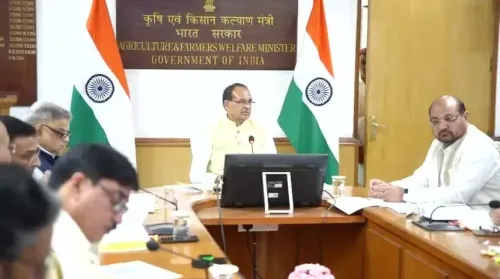
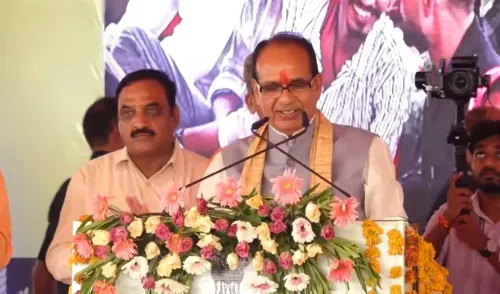
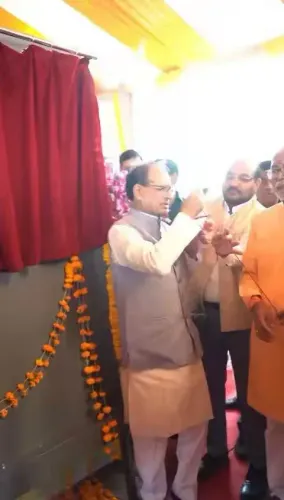
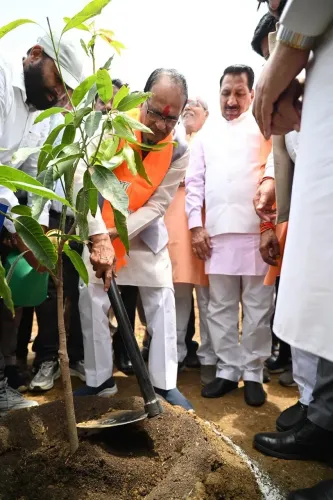
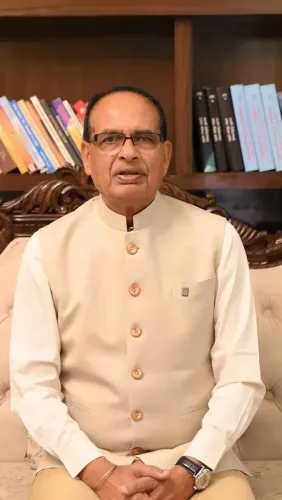
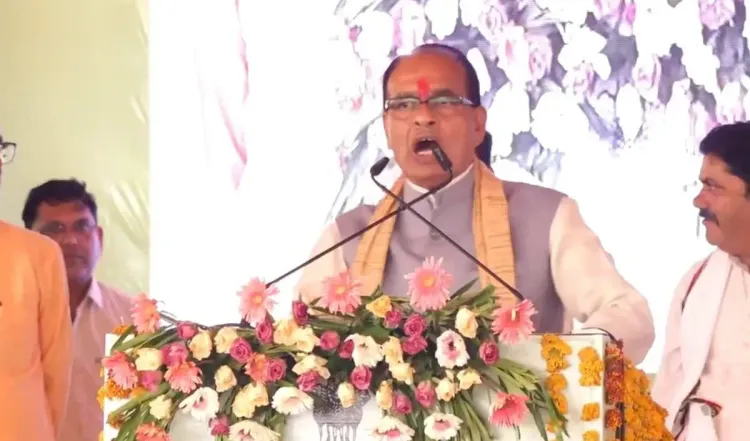
Union Agriculture Minister Shivraj Singh Chouhan announced on Sunday, June 14, 2026, that a Krishi Vigyan Kendra (KVK) is being established in Vidisha, Madhya Pradesh, describing the move as a historic step that will transform farming practices and improve the lives of farmers in the district.
Posting on X, Chouhan wrote: 'Vidisha mein kisanon ki zindagi badalne ke liye Krishi Vigyan Kendra khola ja raha hai. Yeh aitihasik saugat kheti ke taur-tariqe badal degi.' [A Krishi Vigyan Kendra is being opened in Vidisha to change the lives of farmers. This historic gift will transform the methods of farming.]
Context
Vidisha is an agriculturally significant district in Madhya Pradesh, home to a large population of small and marginal farmers. The announcement comes from Chouhan in his capacity as Union Minister of Agriculture and Farmers Welfare and Rural Development — a portfolio he has held after serving four consecutive terms as Chief Minister of the same state, giving him deep familiarity with the region's agrarian challenges.
The KVK, to be set up under the Indian Council of Agricultural Research (ICAR), will serve as a district-level farm science centre providing training, technology demonstrations, and advisory services directly to farmers on the ground.
Policy Backdrop
The KVK scheme has its roots in 1974, when the first such centre was established in Puducherry with the mandate of bridging the gap between laboratory research and field-level practice. Subsequent expansion drives during the 11th and 12th Five Year Plans aimed at covering all rural districts of the country.
Madhya Pradesh, with one of the country's largest farming populations, has historically been a priority state for KVK expansion under both central and state funding windows. The centres function as the last-mile delivery arm of ICAR's research ecosystem, equipping farmers with improved seed varieties, soil health guidance, and modern agronomic techniques.
Stakeholders and Impact
The primary beneficiaries of the Vidisha KVK will be the district's small and marginal farmers, who have historically had limited access to formal agricultural extension services. A functional KVK provides a local, permanent infrastructure for technology transfer — reducing dependence on informal and often unreliable advice channels.
Chouhan's announcement also carries political weight: Vidisha is the constituency he represented in the Lok Sabha before assuming the agriculture ministry, making the centre a visible delivery of a long-standing regional aspiration. Farmers' groups and agricultural scientists in the state are expected to engage closely with the centre once it becomes operational.
What's Next
The ministry is expected to release further details on the Vidisha KVK's specific mandate, staffing structure, and budget allocation through forthcoming official communications or ICAR annual reports. Parliamentary questions on agricultural extension coverage and any supplementary state budget provisions will be worth tracking for implementation timelines.
If the centre becomes operational as announced, it would mark a concrete addition to India's rural agricultural extension network — and a test case for how quickly district-level science infrastructure can translate policy intent into measurable farm-income gains in central India.
Point of View
The move is doubly significant: it lets him act as a national minister delivering for a constituency that was once his own parliamentary seat, reinforcing personal political capital alongside party messaging. The broader pattern — incremental KVK expansion rather than structural reform of agricultural markets — suggests the government continues to prioritise visible, institution-building gestures over the more contentious task of price and supply-chain reform. Whether the Vidisha centre translates into measurable productivity gains will depend on implementation speed and the quality of extension staff deployed.
NationPress
25 Sept 2026
Frequently Asked Questions
What is a Krishi Vigyan Kendra and what does it do?
A Krishi Vigyan Kendra (KVK) is a district-level farm science centre run by the Indian Council of Agricultural Research (ICAR). It provides farmers with training, technology demonstrations, soil and crop advisory services, and access to improved seed varieties and modern agronomic practices.
Where is the new KVK being set up that Shivraj Singh Chouhan announced?
The new Krishi Vigyan Kendra is being established in Vidisha district, Madhya Pradesh, as announced by Union Agriculture Minister Shivraj Singh Chouhan on June 14, 2026.
Who will benefit from the Vidisha Krishi Vigyan Kendra?
The primary beneficiaries are the small and marginal farmers of Vidisha district in Madhya Pradesh, who will gain access to formal agricultural extension services, training, and technology transfer through the new centre.
When was the Krishi Vigyan Kendra scheme started in India?
The KVK scheme was launched in 1974, with the first centre established in Puducherry. The network was significantly expanded during the 11th and 12th Five Year Plans to cover more rural districts across India.
What is Shivraj Singh Chouhan's connection to Vidisha?
Shivraj Singh Chouhan previously represented Vidisha as a Member of Parliament in the Lok Sabha before becoming Union Agriculture Minister. He is also a former four-term Chief Minister of Madhya Pradesh.