Shivraj Calls for Crackdown on Fake Fertilisers Across States
Synopsis
Union Agriculture Minister Shivraj Singh Chouhan has publicly demanded strict action against counterfeit fertilisers and pesticides in every Indian state, spotlighting a persistent enforcement gap under the Fertilizer Control Order and Insecticides Act that leaves millions of farmers vulnerable.
Key Takeaways
Shivraj Singh Chouhan posted on 29 September 2026 demanding state-wide crackdowns on fake fertilisers and pesticides.
Enforcement under the Fertilizer (Control) Order, 1985 and Insecticides Act, 1968 is a state subject , not a central one.
Adulterated agri-inputs directly damage crop productivity and farmer incomes across multiple Indian states.
Enforcement intensity has varied significantly across states, creating uneven protection for farmers.
Chouhan, a four-term former Chief Minister of Madhya Pradesh , brings considerable credibility when addressing state-level governance.
Analysts will watch for formal central advisories, state agriculture minister meetings, or expanded quality-testing infrastructure as follow-up steps.
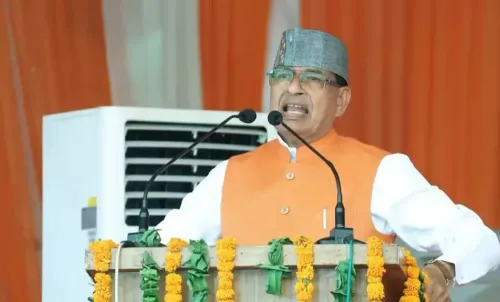
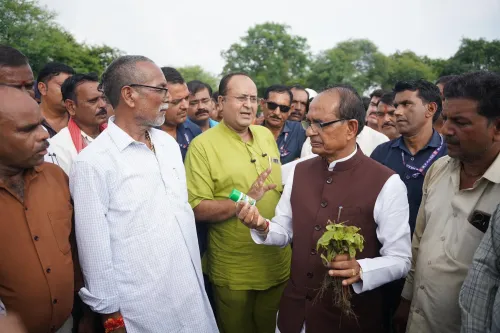
Every bag of counterfeit fertiliser or spurious pesticide that reaches a farmer's field quietly destroys a harvest — and a livelihood. On Tuesday, 29 September 2026, Union Agriculture Minister Shivraj Singh Chouhan posted a pointed demand on X, calling for strict action against fake fertilisers and pesticides in every state across India.
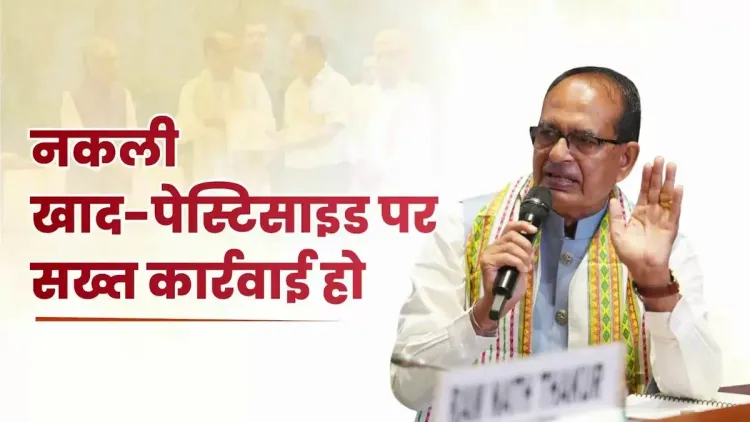
Chouhan's message, posted in Hindi, was unambiguous: 'नकली खाद-पेस्टिसाइड पर हर राज्य में सख्त कार्रवाई होनी चाहिए' — 'There must be strict action against fake fertilisers and pesticides in every state.' The call is short, but its implications run deep for millions of farmers who depend on quality inputs to protect their crops and incomes.
The Law on the Books — and the Gap in Enforcement
The legal framework to tackle adulterated agri-inputs already exists. The Fertilizer (Control) Order, 1985, and the Insecticides Act, 1968, together place the primary responsibility for quality control and enforcement squarely on state governments — not the Centre. Licensing checks, raids on spurious-input dealers, and prosecutions under these laws are all state subjects.
That jurisdictional split is precisely where the problem festers. Enforcement intensity has historically varied sharply from state to state, with some running aggressive inspection drives while others record minimal prosecutions year after year. A central minister can urge, advise, and convene — but he cannot replace a state inspector walking into a fertiliser shop.
A Recurring Wound on Farm Incomes
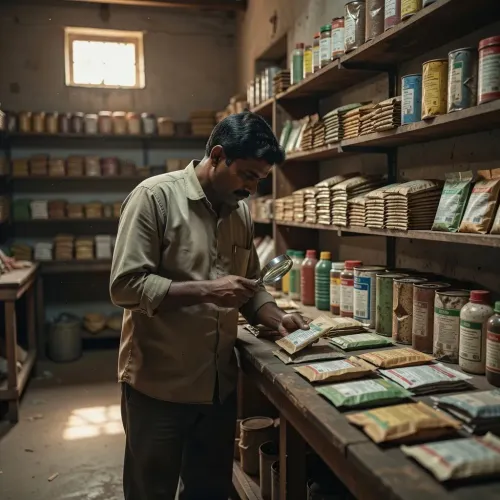
Counterfeit and substandard fertilisers and pesticides have surfaced as a persistent drag on crop productivity across several Indian states. A farmer who unknowingly applies adulterated urea or a fake fungicide does not discover the fraud until the crop fails — by which point the season is lost. The financial hit compounds across the food chain, from the individual cultivator up to regional food security.
Central ministers, including Chouhan in his current tenure, have periodically pushed states to intensify crackdowns — through raids, tighter licensing, and investment in quality-testing infrastructure. The minister's September 2026 post signals that pressure from the Centre on this front is being ratcheted up again.
What This Means for State Agriculture Departments
Chouhan's public call carries political weight. As a four-term former Chief Minister of Madhya Pradesh, he speaks to state government machinery with the credibility of someone who has sat on the other side of the table. His intervention is both a policy nudge and a reputational signal — states that fail to act risk being seen as complicit in farmer exploitation.
Watchers of farm-sector governance will now track whether this translates into a formal central advisory, an agenda item at the next meeting of state agriculture ministers, or a directive to strengthen mobile testing labs and district-level vigilance squads. The post plants a flag. The follow-through is the harder question.
India's farmers have waited long enough for every state to match the urgency the Centre is now demanding — the next harvest season won't wait.
Point of View
He creates visible accountability pressure on state governments ahead of what is likely to be a policy-push season. The Centre's reliance on states for fertiliser and pesticide enforcement has long been an Achilles heel for farm-input quality — periodic central nudges matter, but without binding inspection quotas or funding tied to enforcement metrics, the gap between law and field reality persists. Chouhan's track record as a state chief minister gives him rare credibility on this issue, but the structural tension between central intent and state capacity remains unresolved.
NationPress
29 Sept 2026
Frequently Asked Questions
What did Shivraj Singh Chouhan say about fake fertilisers?
He called for strict action against counterfeit fertilisers and pesticides in every Indian state, posting the demand publicly on 29 September 2026.
Which law governs action against fake fertilisers in India?
The Fertilizer (Control) Order, 1985 and the Insecticides Act, 1968 are the primary laws, with enforcement responsibility assigned to state governments.
Why is fake fertiliser a problem for Indian farmers?
Spurious or substandard fertilisers and pesticides fail to protect or nourish crops, leading to yield losses and significant financial damage to farmers who only discover the fraud after their harvest fails.
Can the Central Government directly crack down on fake fertilisers in states?
No — under existing law, quality control, licensing checks, and prosecutions related to fertilisers and pesticides are state subjects . The Centre can issue advisories and pressure states but cannot directly enforce in their jurisdiction.
Who is Shivraj Singh Chouhan?
He is India's Union Minister of Agriculture and Farmers Welfare and Rural Development , a senior BJP leader, and a former four-term Chief Minister of Madhya Pradesh.