Shivraj Chouhan: No fund shortage in Viksit Bharat-G Ram Ji Yojana
Synopsis
Union Minister Shivraj Singh Chouhan assured on September 27, 2026 that the Viksit Bharat-G Ram Ji Yojana carries unlimited funding and will deliver whichever infrastructure works rural communities choose, reinforcing a demand-driven model for village development.
Key Takeaways
Shivraj Singh Chouhan declared there is 'no shortage of funds' in the Viksit Bharat-G Ram Ji Yojana on September 27, 2026 .
Works under the scheme will be determined by villagers' own demands , not a top-down project list.
The scheme is anchored in the Viksit Bharat 2047 vision for a developed India, with rural infrastructure as a core pillar.
The demand-driven design builds on earlier participatory programmes such as MGNREGA and Sansad Adarsh Gram Yojana .
State-level rollout, fund utilisation data, and supplementary budget provisions will be key indicators to watch.
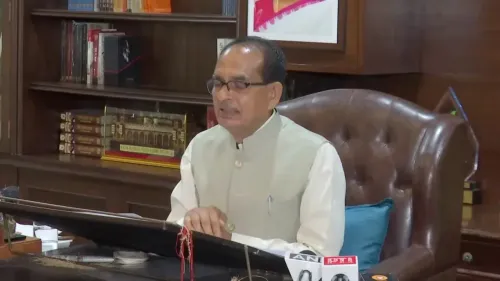
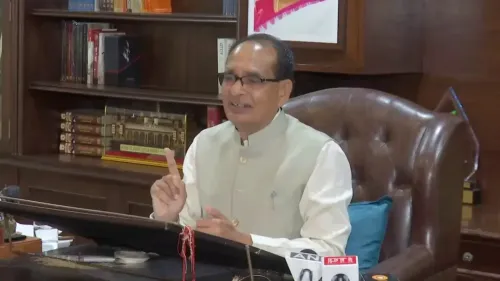
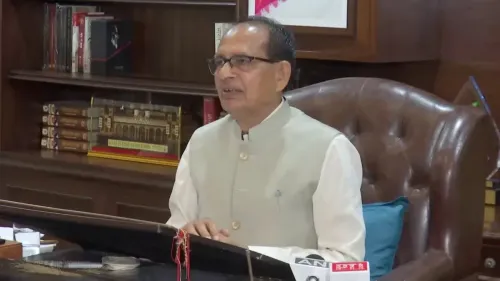
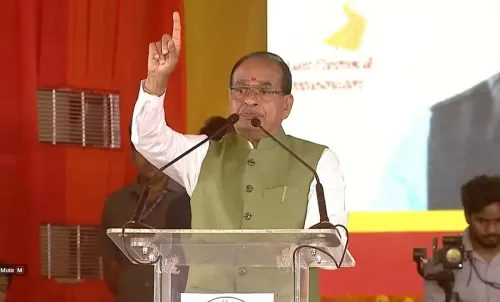
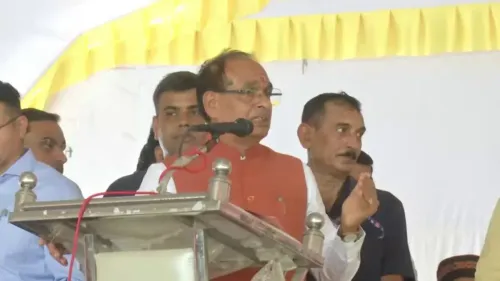
Every village, every demand, every rupee — Union Agriculture and Rural Development Minister Shivraj Singh Chouhan sent an unambiguous message on Sunday, September 27, 2026: the Viksit Bharat-G Ram Ji Yojana will not turn away a single gram panchayat for lack of money, and the works it funds will be chosen by the villagers themselves.
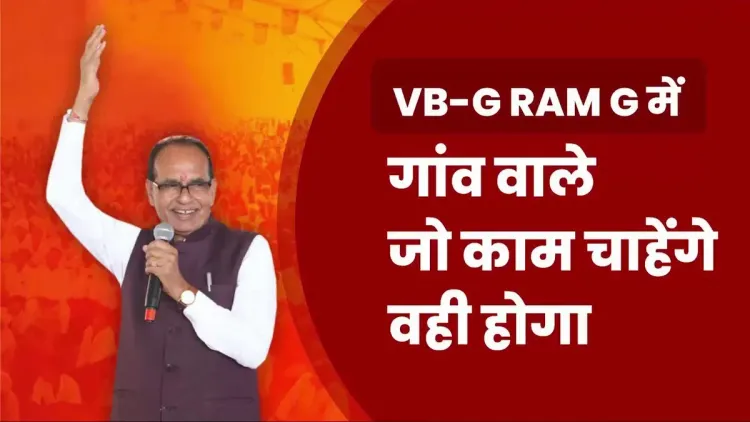
Posting on X in Hindi, the Minister declared: 'Viksit Bharat-G Ram Ji Yojana mein paise ki koi kami nahin hai. Gaon waale jo kaam chahenge, wahi kaam kiya jaega' — 'There is no shortage of funds in the Viksit Bharat-G Ram Ji Yojana. Whatever work the villagers want, that work will be done.'
A demand-driven model for rural works
The pledge places community choice at the centre of the scheme's design. Rather than imposing a fixed menu of infrastructure projects, the framework promises to let gram panchayats and local residents identify their own priorities — be it roads, drainage, community halls, or livelihood assets. This 'bottom-up' architecture echoes the participatory logic of MGNREGA and Sansad Adarsh Gram Yojana, both of which gave local bodies a degree of spending discretion within centrally backed envelopes.
Chouhan, a four-term former Chief Minister of Madhya Pradesh, has long positioned himself as a bridge between Delhi's policy machinery and India's village economy. His language here — direct, promise-first — is consistent with the outreach style that defined his long tenure in Bhopal.
Where Viksit Bharat's rural push stands
The scheme sits inside the broader Viksit Bharat vision — the government's roadmap to a developed India by 2047 — which places rural infrastructure and participatory governance among its core pillars. The Ministry of Rural Development oversees a portfolio of programmes designed to close the urban-rural gap in basic amenities, and an assured, uncapped funding assurance for village-level works would be a significant strengthening of that toolkit.
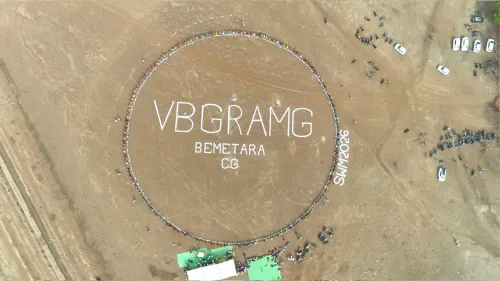
Chouhan's statement arrives as state governments are expected to begin rolling out village-level works under the scheme. Fund utilisation reports and state-wise progress data will be the early indicators of whether the promise translates into ground-level delivery.
The villages are being told to decide what they need. The Minister has staked his credibility on the guarantee that the money will follow.
Point of View
Demand-first partner to rural India ahead of what promises to be a scrutinised rollout period. The 'villagers choose, government funds' framing is a direct attempt to distinguish this scheme from earlier top-down rural programmes and to build ownership at the panchayat level. As a former four-term Chief Minister with deep rural roots in Madhya Pradesh, Chouhan carries credibility on this terrain that most ministerial voices cannot match. The real test, however, will be whether state governments have the administrative bandwidth to absorb open-ended demand without bottlenecks — and whether fund utilisation reports bear out the promise.
NationPress
27 Sept 2026
Frequently Asked Questions
What is the Viksit Bharat-G Ram Ji Yojana?
It is a rural development scheme under the Union Ministry of Rural Development linked to the Viksit Bharat 2047 vision, designed to fund village-level infrastructure and livelihood works. Union Minister Shivraj Singh Chouhan has stated that funding under the scheme is assured with no cap, and that the specific works will be chosen by villagers themselves.
Who announced the Viksit Bharat-G Ram Ji Yojana funding guarantee?
Union Agriculture and Rural Development Minister Shivraj Singh Chouhan made the announcement on September 27, 2026 via a post on X, stating there is no shortage of funds and that works will match villagers' demands.
How is this scheme different from MGNREGA?
While MGNREGA provides demand-driven wage employment for unskilled rural labour, the Viksit Bharat-G Ram Ji Yojana appears to extend demand-driven flexibility to a broader range of village infrastructure works, with assured central funding and gram panchayat-level prioritisation.
What is the Viksit Bharat 2047 vision?
' Viksit Bharat ' is the Indian government's long-term development roadmap targeting developed-nation status by 2047 , India's centenary of independence. It places rural infrastructure, participatory governance, and closing the urban-rural gap among its key pillars.
What should citizens watch for as this scheme rolls out?
Key indicators include state-level rollout progress, fund utilisation reports from gram panchayats, and any supplementary budget provisions that back up the Minister's assurance of unlimited scheme funding.