Shivraj Singh Chouhan Hails Record Horticulture Output
Synopsis
Union Agriculture Minister Shivraj Singh Chouhan announced advance horticulture production estimates for 2026 showing record or near-record output across fruits, vegetables, flowers, spices and plantation crops, congratulating farmers and crediting broad-based gains across all horticultural categories.
Key Takeaways
Fruit production rose 4.60% to 54.18 lakh tonnes , led by banana, mango, papaya, apple, pomegranate and jackfruit.
Total vegetable output is projected at 2,272.68 lakh tonnes , up 4.35% , with potato surging 12% to 655.70 lakh tonnes .
Tomato output is estimated at 214 lakh tonnes and onion at 288.96 lakh tonnes .
Flower production posted the sharpest percentage rise at 14.45% ; plantation crops grew 7.56% to 182.64 lakh tonnes .
Spice output is headed to 123.54 lakh tonnes , with turmeric, garlic and cardamom among the standout crops.
The gains build on the Mission for Integrated Development of Horticulture (MIDH) , launched in 2014 to diversify farming income beyond cereals.
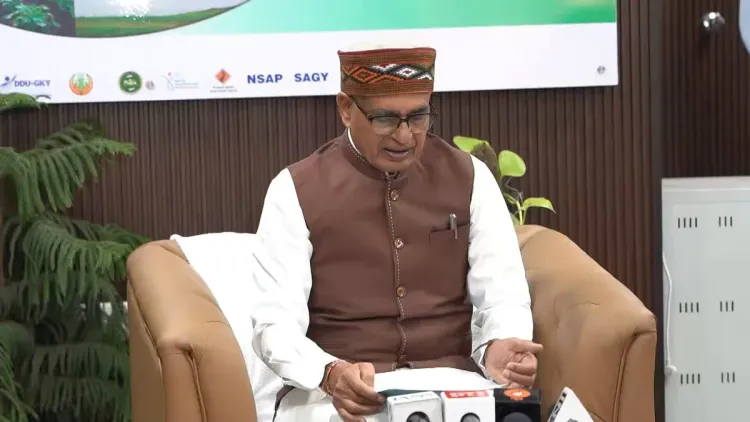
India's farms are delivering a bumper harvest beyond the grain basket — and the numbers are striking. Union Agriculture Minister Shivraj Singh Chouhan on Tuesday, 17 November 2026 shared official production estimates showing record or near-record output across fruits, vegetables, flowers, spices and plantation crops, congratulating farmers across the country for the achievement.
Fruits and vegetables clock simultaneous highs
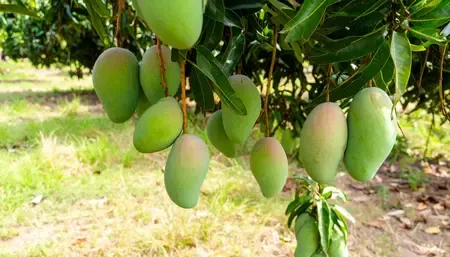
Fruit production has touched 54.18 lakh tonnes — a rise of 4.60 per cent over the previous year — driven by strong harvests of banana, mango, papaya, apple, pomegranate and jackfruit. The minister noted that this broad-based surge across diverse agro-climatic fruit varieties signals improved orchard management and favourable growing conditions nationwide.
On the vegetable front, total output is projected to climb 4.35 per cent to 2,272.68 lakh tonnes. Potato production has jumped a sharp 12 per cent to 655.70 lakh tonnes, while tomato output is estimated at 214 lakh tonnes and onion at 288.96 lakh tonnes — figures that carry direct significance for retail prices in Indian households.
Flowers up 14.45%, spices and plantation crops follow
Floriculture has posted one of the sharpest gains: flower production rose by 14.45 per cent, reflecting growing domestic demand from weddings, religious events and the export trade. Plantation crops — including areca nut, coconut, cashew, betel leaf and cocoa — are projected to grow 7.56 per cent to 182.64 lakh tonnes, widening the income base for farmers in coastal and southern states.
Spice production is headed to 123.54 lakh tonnes, with turmeric, garlic, curry leaf and cardamom all reporting improved harvests. Aromatic and medicinal plants are estimated at 9.28 lakh tonnes — a category that feeds both the pharmaceutical sector and India's rapidly expanding ayurvedic products industry.
Mission for Integrated Development of Horticulture: the policy engine behind the surge
These gains did not emerge in a vacuum. The Mission for Integrated Development of Horticulture (MIDH), launched in 2014 by the Ministry of Agriculture and Farmers Welfare, has steadily channelled resources into area expansion, post-harvest infrastructure, protected cultivation and varietal improvement across fruit, vegetable and spice belts. The ministry's annual horticulture production estimates — released as advance and final series — serve as a key monitoring tool for scheme performance.
Diversification from cereals into high-value horticulture has been a declared strategic goal for successive governments: horticulture commands higher per-acre returns than most staple crops and opens export channels that boost farmer income. With India already among the world's top producers of fruits and vegetables, these incremental gains carry compounding weight on the global supply chain.
Chouhan, posting in Hindi, addressed farmers directly — 'मैं अपने किसान भाई-बहनों को इसके लिए बधाई देता हूं' ('I congratulate my farmer brothers and sisters for this') — framing the output data not as a ministerial bulletin but as a shared victory for cultivators on the ground.
What the final estimates and next Budget could confirm
The figures cited are advance estimates; final horticulture production numbers will firm up over the coming months. Analysts and grower associations will watch whether fresh allocations under MIDH or related schemes appear in the next Union Budget, which could translate these production wins into sustained structural support — particularly for cold-chain infrastructure that remains a bottleneck in converting bumper harvests into stable farm incomes.
A season where potatoes, tomatoes and onions — the three vegetables with the greatest power to roil Indian kitchen budgets — all post record or strong outputs is a rare alignment. If supply holds, consumers stand to benefit from price moderation even as farmers celebrate volume gains.
Point of View
Vegetables, flowers, spices and plantation crops simultaneously — makes the data harder to dismiss as a single-season anomaly, lending credibility to the MIDH's decade-long investment thesis. However, the critical policy gap remains post-harvest logistics: without matching cold-chain expansion, record volumes can depress farm-gate prices even as retail prices stay elevated. The next Union Budget's horticulture allocation will reveal whether these production wins are backed by structural follow-through.
NationPress
17 Nov 2026
Frequently Asked Questions
What is India's total fruit production in 2026 according to the government?
According to advance estimates shared by Union Agriculture Minister Shivraj Singh Chouhan, India's fruit production in 2026 is estimated at 54.18 lakh tonnes , a rise of 4.60% over the previous year, led by banana, mango, papaya, apple, pomegranate and jackfruit.
How much has potato production increased in India in 2026?
Potato production has risen by 12% to an estimated 655.70 lakh tonnes in 2026, making it one of the sharpest gains among all horticulture crops this season.
What is the Mission for Integrated Development of Horticulture (MIDH)?
MIDH is a central government scheme launched in 2014 under the Ministry of Agriculture and Farmers Welfare to promote integrated growth of fruits, vegetables, spices and plantation crops through area expansion, productivity enhancement and post-harvest support.
What are the spice and flower production estimates for India in 2026?
Spice production is projected to reach 123.54 lakh tonnes , with strong harvests of turmeric, garlic, cardamom and curry leaf. Flower production recorded a rise of 14.45% , the highest percentage gain among all horticulture categories cited.
Will record vegetable output bring down prices of tomato and onion in India?
Record or strong estimates for tomato ( 214 lakh tonnes ) and onion ( 288.96 lakh tonnes ) create conditions for price moderation, though actual retail impact depends on post-harvest logistics, cold-chain availability and state-level procurement — factors the advance estimates alone do not resolve.