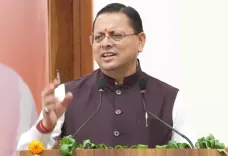
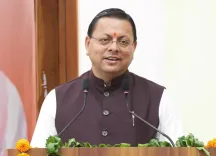
Shivraj Singh Chouhan Plants Sapling in Delhi, Urges Daily Tree Planting
Synopsis
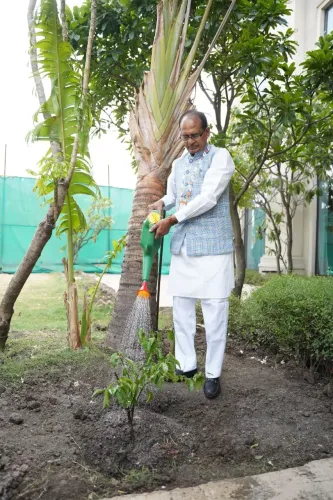
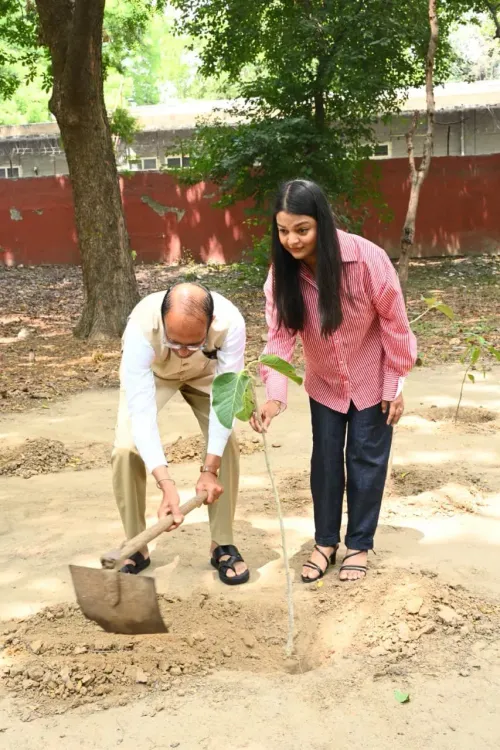
Union Agriculture Minister Shivraj Singh Chouhan planted a sapling in New Delhi on 3 July 2026, urging citizens to adopt a daily tree-planting habit under #OnePlantADay. He called afforestation a sacred duty to hand a safe earth to future generations, invoking India's long tradition of ministerial-led plantation drives during the monsoon season.
Key Takeaways
Shivraj Singh Chouhan planted a sapling in New Delhi on 3 July 2026 as part of a stated daily tree-planting resolve.
He described tree-planting as a 'sacred act' of securing the earth for future generations.
The minister appealed to all citizens to join the effort under the hashtag #OnePlantADay .
India's National Forest Policy targets 33 per cent forest and tree cover; the Green India Mission (2014) is the primary national afforestation scheme.
The Van Mahotsav tradition of ministerial tree-planting dates to 1950 , underlining the long lineage of such symbolic drives.
Monsoon season (July–August) is the optimal window for sapling survival, making Chouhan's timing consistent with established plantation practice.
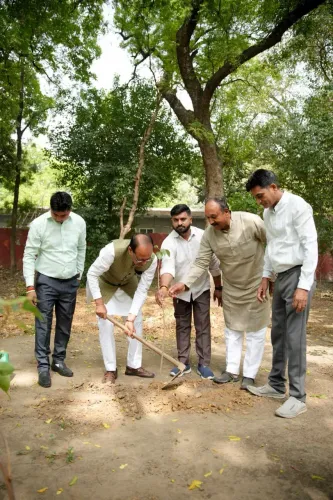
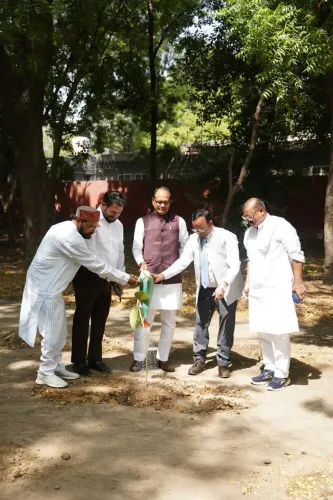
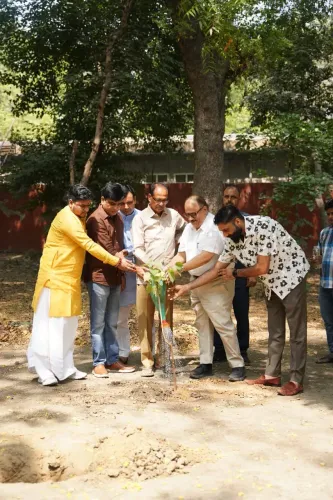
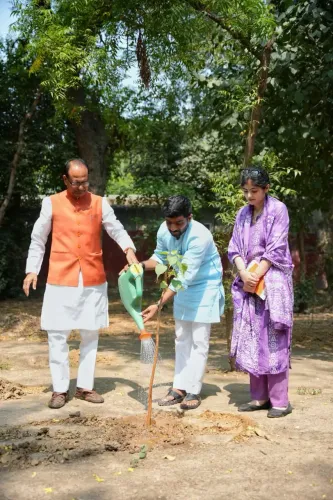
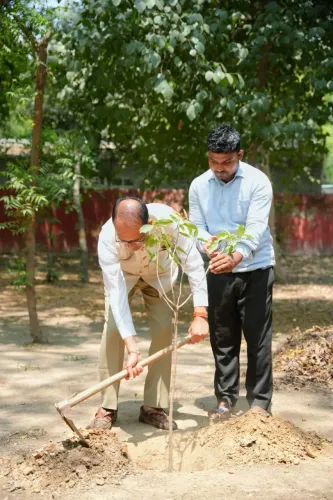
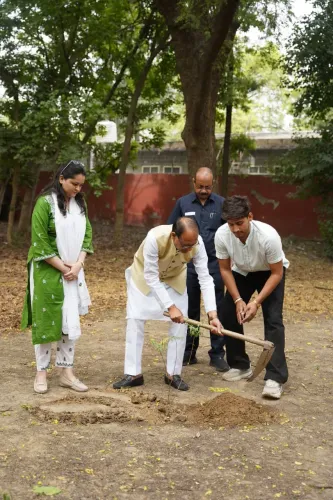
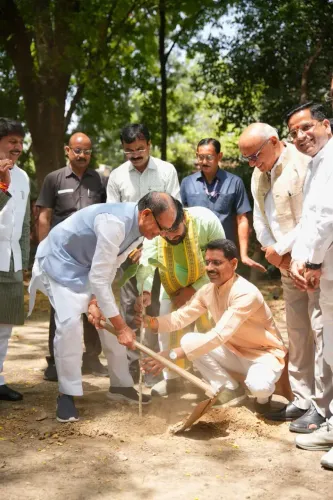
Union Agriculture Minister Shivraj Singh Chouhan planted a sapling in New Delhi on Friday, 3 July 2026, continuing his stated daily tree-planting resolve and calling on citizens across India to join the effort under the hashtag #OnePlantADay.
Context
Posting in Hindi on X, the minister wrote: 'प्रतिदिन पौधरोपण के संकल्प के क्रम में आज नई दिल्ली में पौधा रोपा' ('In continuation of my resolve to plant a tree every day, I planted a sapling in New Delhi today'). He described tree-planting as 'अत्यंत पवित्र कार्य' — 'an extremely sacred act' — of handing a safe earth to coming generations. The post was accompanied by two photographs of the planting.
Chouhan's appeal was direct: 'Let us all plant trees and make our lives meaningful.' The message frames afforestation not as a policy obligation but as a personal moral commitment, linking individual action to intergenerational responsibility.
Policy Backdrop
India's National Forest Policy sets a target of 33 per cent forest and tree cover across the country's geographical area — a benchmark successive governments have pursued through legislative, budgetary, and symbolic means. The Green India Mission, launched in 2014, is the flagship national afforestation programme aimed at increasing forest cover while simultaneously addressing climate adaptation and biodiversity loss.
The tradition of ministerial tree-planting events stretches back to Van Mahotsav, the annual drive initiated in 1950 to mobilise public participation in afforestation. Cabinet ministers participating in such drives serve to link the government's agriculture, rural development, and climate messaging in a single visible act. As Union Minister for Agriculture and Rural Development, Chouhan occupies a portfolio with direct stakes in land health and soil conservation — making tree-cover advocacy a natural extension of his ministerial brief.
India is also a signatory to the Bonn Challenge, the global commitment to restore degraded and deforested land, under which the country has pledged restoration of millions of hectares. Monsoon season, which begins in late June and peaks through July, is traditionally the preferred window for plantation drives because soil moisture improves sapling survival rates.
Stakeholders and Impact
Chouhan's appeal is directed at the general public and, symbolically, at future generations — the stated beneficiaries of a greener earth. For farmers and rural communities, tree cover on agricultural margins improves microclimate stability, reduces soil erosion, and can supplement income through timber and fruit. The minister's dual portfolio of agriculture and rural development positions such messaging to resonate with the large share of India's population dependent on land-based livelihoods.
Policy watchers note that state governments routinely set monsoon-season plantation targets, and central ministerial visibility around tree-planting can reinforce compliance and public enthusiasm at the district level. Potential integration of daily plantation messaging with programmes such as MGNREGA or agriculture extension services remains an area to watch.
What's Next
With the monsoon season at its early peak, state forest departments and agriculture ministries are likely to announce their own plantation targets in the weeks ahead. Whether the #OnePlantADay appeal translates into a structured campaign — with measurable targets, institutional backing, or linkage to existing schemes — will determine its policy footprint beyond the symbolic gesture. Chouhan's consistent personal participation, if sustained, could amplify public uptake of afforestation messaging during the critical planting window of July–August 2026.
Point of View
His social-media-led afforestation appeal carries credibility with rural and semi-urban audiences who associate him with ground-level governance. The #OnePlantADay framing individualises a national obligation, potentially lowering the barrier to citizen participation in ways that top-down scheme messaging rarely achieves. Whether the gesture acquires institutional scaffolding — through MGNREGA linkages or state-level targets — will determine if it leaves a measurable mark on India's Bonn Challenge commitments.
NationPress
3 Jul 2026
Frequently Asked Questions
Why is Shivraj Singh Chouhan planting trees every day?
Chouhan has publicly committed to a daily tree-planting resolve, framing it as a personal moral duty to secure the environment for future generations. He is encouraging all citizens to do the same under #OnePlantADay.
What is the #OnePlantADay campaign in India?
#OnePlantADay is a hashtag-driven appeal promoted by Union Agriculture Minister Shivraj Singh Chouhan urging every Indian to plant at least one sapling daily, particularly during the monsoon season when survival rates are highest.
What is India's target for forest and tree cover?
India's National Forest Policy sets a target of 33 per cent forest and tree cover of the country's total geographical area, a goal pursued through programmes such as the Green India Mission launched in 2014.
What is Van Mahotsav and how does it relate to this?
Van Mahotsav is an annual tree-planting drive launched in 1950 to encourage public participation in afforestation. Ministerial tree-planting events like Chouhan's are part of this long tradition of using symbolic acts to mobilise citizens.
What is the Green India Mission?
The Green India Mission is a national afforestation programme launched in 2014 that aims to increase forest and tree cover across India while addressing climate adaptation and biodiversity conservation goals.