Shivraj Singh Chouhan Warns of Soil Degradation from Excess Fertiliser Use
Synopsis
Union Agriculture Minister Shivraj Singh Chouhan has warned that unchecked fertiliser overuse could permanently render India's farmland barren, calling for an urgent shift to balanced nutrient application — a concern backed by years of soil degradation data and central government schemes.
Key Takeaways
Shivraj Singh Chouhan warned on 25 June 2026 that rising fertiliser use risks making India's soil permanently barren and unable to produce food.
He called on farmers and policymakers to adopt balanced fertiliser application as an immediate priority.
India's Soil Health Card Scheme (launched 2015 ) already provides soil-test-based nutrient recommendations to help farmers avoid overuse.
The National Mission for Sustainable Agriculture (initiated 2011 ) targets soil health and climate resilience as long-term farm policy goals.
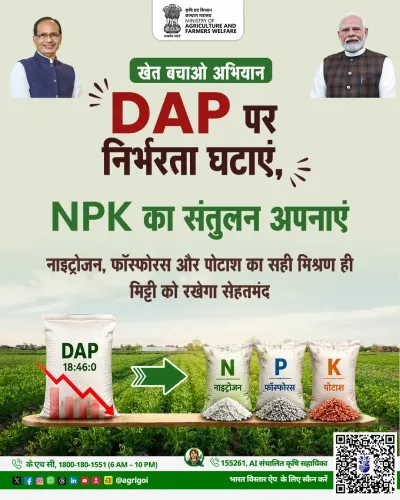
The government has been promoting nano-urea and organic inputs as lower-impact alternatives to conventional chemical fertilisers.
The warning comes ahead of the kharif season , when fertiliser demand typically peaks across major crop-producing states.
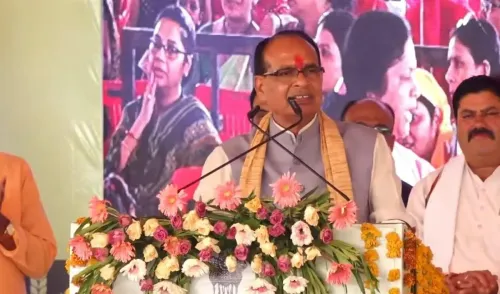
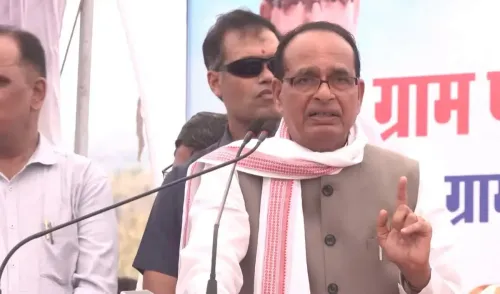
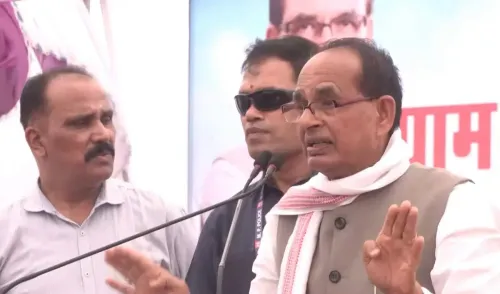
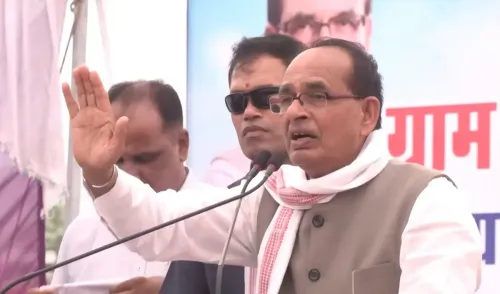
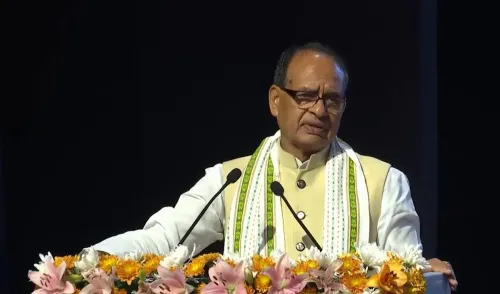
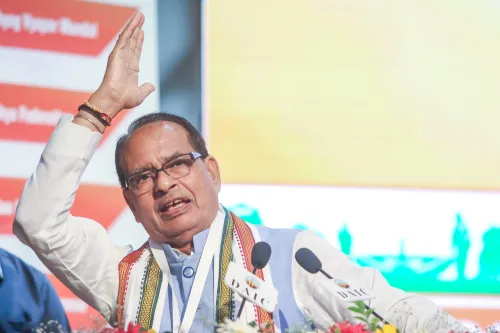
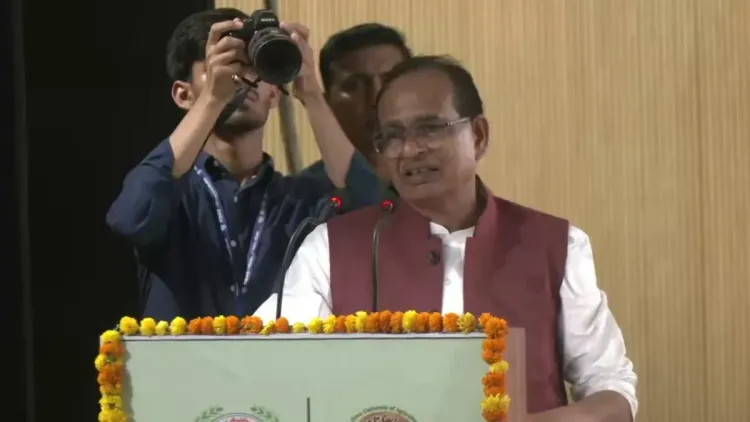
Union Agriculture Minister Shivraj Singh Chouhan on Thursday, 25 June 2026, issued a stark warning about the long-term consequences of excessive chemical fertiliser use on India's farmland, cautioning that unchecked application could render the country's soil permanently barren and incapable of producing food.
Posting on X, the minister said, 'मैं ये चेताने आया हूँ कि अगर ऐसे ही हम खाद की मात्रा बढ़ाते गए, तो एक दिन ये धरती अन्न पैदा करने से ही इनकार कर देगी, बंजर हो जाएगी।' ('I have come to warn that if we keep increasing the quantity of fertiliser in this manner, one day this earth will refuse to produce food — it will become barren.') He added that the time had come to think seriously about how to use fertilisers in a balanced way.
Context
India's agricultural productivity has long depended on heavy doses of chemical fertilisers, particularly urea, which is heavily subsidised by the central government. While this has helped sustain food output, it has also accelerated soil degradation across major crop-producing regions, with declining organic carbon levels and deteriorating soil structure becoming increasingly common concerns among agricultural scientists and policymakers.
The minister's warning is not an isolated remark — it reflects a pattern of concern that has grown within the agriculture ministry over the disproportionate and often indiscriminate use of nitrogenous fertilisers by farmers seeking to maximise short-term yields.
Policy Backdrop
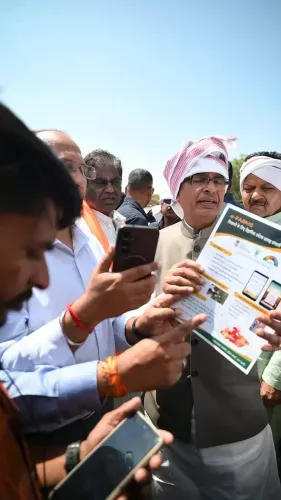
The government has pursued several initiatives aimed at correcting fertiliser overuse. The Soil Health Card Scheme, launched in 2015, was designed to provide farmers with soil-test-based nutrient recommendations, enabling them to apply only what their land actually needs rather than relying on blanket doses. The National Mission for Sustainable Agriculture, initiated in 2011, similarly targets soil health and climate resilience as twin pillars of long-term farm productivity.
More recently, the government has promoted nano-urea and organic inputs as alternatives to conventional fertilisers, arguing that smaller, more precise applications can deliver comparable results with significantly less soil damage. Chouhan's statement aligns with this broader push toward sustainable nutrient management.
Stakeholders and Impact
The warning carries direct implications for India's farmers, particularly smallholders who depend on affordable fertilisers for their livelihoods and may be resistant to changes in application practices. Agricultural extension agencies will likely face renewed pressure to scale up soil-testing drives and awareness campaigns, especially ahead of the kharif sowing season.
Soil degradation is not merely an environmental concern — it is a food-security issue. If large tracts of India's cultivable land lose fertility over time, the consequences for agricultural output, rural incomes, and national food supply could be severe. The minister's framing of this as an urgent, present-tense warning — rather than a distant future risk — signals that the ministry views the problem as already critical.
What's Next
Observers will watch for whether Chouhan's public statement is followed by concrete policy action, including updated fertiliser-use guidelines, expanded soil-testing infrastructure, or incentives for farmers who shift to balanced or organic nutrient regimes. State-level agriculture departments, particularly in high-fertiliser-use states, may be directed to intensify outreach under existing schemes. The minister's intervention could also lend political weight to ongoing efforts to reform India's fertiliser subsidy structure in ways that discourage overuse.
Point of View
He elevates the issue beyond bureaucratic discourse. The statement fits a broader arc in which the BJP government has tried to reposition itself as a champion of 'natural farming' and sustainable agriculture, even as subsidy-driven urea consumption continues to rise. Whether the rhetoric translates into structural reform of fertiliser pricing or subsidy design will be the real test of intent.
NationPress
25 Jun 2026
Frequently Asked Questions
Why is Shivraj Singh Chouhan warning about fertiliser use?
He warned on 25 June 2026 that continuously increasing fertiliser application could permanently degrade India's farmland, making it incapable of producing food, and called for a shift to balanced nutrient use.
What is the Soil Health Card Scheme and how does it help?
The Soil Health Card Scheme, launched in 2015, provides farmers with cards containing soil nutrient data and specific fertiliser recommendations based on soil testing, helping them apply only what their land needs.
What is the impact of fertiliser overuse on Indian soil?
Excessive fertiliser use, particularly urea, has led to declining organic carbon levels and structural soil degradation across major food-producing regions, threatening long-term agricultural productivity.
What alternatives to chemical fertilisers is the Indian government promoting?
The government has been promoting nano-urea and organic inputs as more precise, lower-impact alternatives to conventional chemical fertilisers to reduce soil damage.
What policy steps might follow Chouhan's fertiliser warning?
Possible follow-up actions include updated fertiliser-use guidelines, expanded soil-testing drives ahead of the kharif season, and potential reforms to India's fertiliser subsidy structure to discourage overuse.