CM Siddaramaiah Opens Public Consultation on Karnataka Excise Reforms 2026
Synopsis
Karnataka Chief Minister Siddaramaiah has invited public feedback on the proposed Karnataka State Excise Reforms 2026, which seek to link alcohol taxation to drink strength, introduce digital compliance monitoring and balance revenue with public health goals. The consultation closes on 22 May.
Key Takeaways
Karnataka CM Siddaramaiah announced a public consultation on the proposed Karnataka State Excise Reforms 2026 on 25 May 2026 .
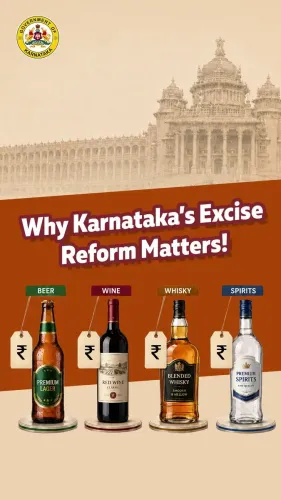
The reforms propose linking alcohol taxation more closely to alcohol strength to discourage high-strength liquor consumption.
Key goals include simplifying tax calculation , strengthening compliance through digital monitoring systems and stabilising state excise revenue.
Citizens can submit feedback via an online portal or by WhatsApp — messaging 'karnatakaexcise' to +91 8976926914 — before 22 May .
The reforms sit within the broader framework of the Karnataka Excise Act, 1965 , which governs all aspects of alcohol regulation in the state.
Final policy notification and possible amendments to the 1965 Act are expected after the consultation closes, potentially feeding into the Karnataka Budget 2026-27 .
Karnataka Chief Minister Siddaramaiah on Monday, 25 May 2026 invited citizens to participate in a public consultation on the proposed Karnataka State Excise Reforms 2026, framing the overhaul as a measure that goes beyond revenue to address public health, road safety and systemic accountability in alcohol regulation.
Context
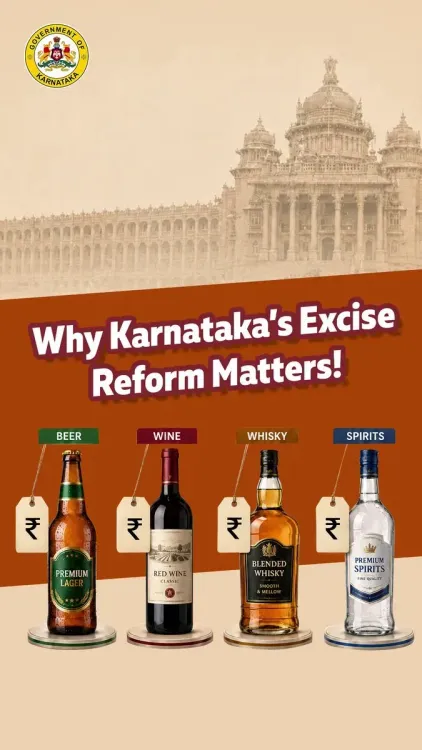
In his post, Siddaramaiah stated that the reforms aim to 'link taxation more closely to alcohol strength, encourage responsible consumption, simplify tax calculation, strengthen monitoring through digital systems and maintain stable revenue alongside public health goals.' The consultation window closes on 22 May, with citizens asked to submit feedback through a dedicated online portal or via WhatsApp by messaging 'karnatakaexcise' to +91 8976926914.
The Chief Minister's direct appeal for public input marks an unusually transparent step in what is typically an executive-driven policy process, signalling the government's intent to build broader legitimacy for the proposed changes.
Policy Backdrop
Alcohol excise in Karnataka is governed by the Karnataka Excise Act, 1965, the foundational legislation that regulates the manufacture, possession, sale, transport and taxation of intoxicants in the state. Successive administrations have periodically revised tax slabs and licensing rules through annual budget announcements and policy circulars, but a comprehensive structural overhaul has been rare.
Indian states treat alcohol as a major own-tax revenue source — one of the few significant fiscal levers outside the Goods and Services Tax (GST) framework. Karnataka is among the larger alcohol-revenue-generating states in southern India, making any shift in the excise architecture consequential for both the state's finances and the industry operating within it.
The proposed shift toward strength-based taxation — tying duty rates more directly to alcohol by volume — follows a pattern seen in several other state governments that have experimented with similar models to discourage consumption of high-strength liquor while maintaining revenue buoyancy.
Stakeholders and Impact
The reforms, if enacted, would affect a wide range of actors: liquor consumers, bar and retail licensees, alcohol manufacturers and public health advocacy groups. Strength-based taxation could raise the effective price of high-alcohol-content beverages, which public health groups have long argued would reduce harm, while manufacturers of premium or high-strength products may face margin pressure.
The emphasis on digital monitoring systems points to a crackdown on compliance gaps that have historically allowed illicit liquor to undercut licensed trade. Road safety groups and family welfare organisations are also named as implicit beneficiaries in the Chief Minister's framing of the reform's goals.
Small bar and retail licensees, particularly in rural Karnataka, are likely to watch the licensing simplification provisions closely, as complex tax calculation has historically been a compliance burden for smaller operators.
What's Next
The immediate milestone is the close of the public consultation. Following that, the government is expected to process feedback and issue a final policy notification, potentially accompanied by amendments to the Karnataka Excise Act, 1965 or its subordinate rules. Observers will watch whether the reforms are incorporated into the Karnataka Budget for 2026-27 or notified as a standalone executive policy. The breadth of public response to the consultation itself may also shape the political calculus around how ambitious the final framework turns out to be.
Point of View
Siddaramaiah is attempting to reframe a politically sensitive subject — alcohol policy — as a governance and welfare issue ahead of a potential budget cycle. The use of a structured public consultation, complete with a WhatsApp feedback channel, also signals a deliberate effort to project administrative transparency at a time when the Congress government in Karnataka has faced scrutiny on other fronts. Strength-based taxation, if implemented, would align Karnataka with a broader trend among Indian states seeking to modernise excise frameworks without surrendering fiscal yield. The real test will be whether the final policy reflects the consultation's inputs or whether the exercise serves primarily as political cover for decisions already made.
NationPress
9 Oct 2026
Frequently Asked Questions
What are the Karnataka State Excise Reforms 2026?
The Karnataka State Excise Reforms 2026 are a proposed overhaul of the state's alcohol regulation framework, aiming to link taxation to alcohol strength, simplify tax calculation, introduce digital compliance monitoring and balance revenue collection with public health goals.
How can I submit feedback on Karnataka excise reforms?
You can submit feedback through the official consultation portal or by sending a WhatsApp message with the keyword 'karnatakaexcise' to +91 8976926914. The consultation deadline is 22 May.
What is strength-based alcohol taxation?
Strength-based taxation ties excise duty rates to the alcohol-by-volume content of a drink, meaning higher-strength beverages attract higher taxes. The approach is intended to discourage consumption of strong liquor while keeping lower-strength drinks more affordable.
Which law currently governs alcohol regulation in Karnataka?
The Karnataka Excise Act, 1965 is the foundational legislation governing the manufacture, possession, sale, transport and taxation of intoxicants in Karnataka. The proposed reforms may involve amendments to this Act.
Why is Karnataka reforming its excise policy now?
The state government has cited the need to address public health, road safety and systemic accountability alongside revenue considerations. The reforms also reflect a broader pattern of Indian states modernising alcohol excise frameworks to close compliance gaps and improve digital monitoring.