Sikkim CM Tamang backs Modi's push to end paper leaks
Synopsis
Sikkim Chief Minister Prem Singh Tamang on 24 July 2026 publicly endorsed PM Modi's drive to end paper leaks in India's public examinations, invoking the collective resolve to safeguard student aspirations — signalling Sikkim's alignment with the Centre's landmark 2024 anti-malpractice law.
Key Takeaways
CM Prem Singh Tamang on 24 July 2026 expressed support for PM Modi 's commitment to eliminating paper leaks from India's examination system.
The statement aligns Sikkim with the Centre's Public Examinations (Prevention of Unfair Means) Act, 2024 , which criminalises paper leaks and malpractice in public exams.
The Act introduced stringent criminal penalties for organised cheating and question-paper leaks at the national level.
Students and competitive exam aspirants — numbering in the crores nationally — are the primary intended beneficiaries of the anti-leak drive.
Focus now shifts to whether Sikkim will enact state-level implementation rules and participate in joint centre-state reviews on examination security.
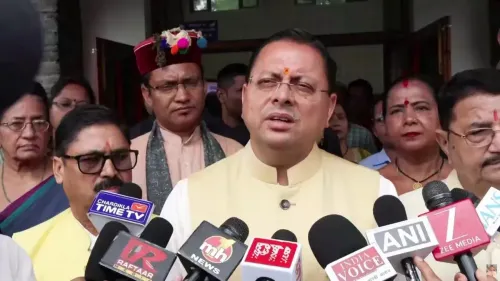
Sikkim Chief Minister Prem Singh Tamang on Friday, 24 July 2026, voiced strong support for Prime Minister Narendra Modi's drive to eliminate paper leaks from India's public examination system, calling it a reinforcement of the collective resolve to protect students' futures and aspirations.
Context
In his post on X, CM Tamang stated that PM Modi's 'unwavering commitment to eliminating paper leaks reinforces our collective resolve to safeguard the future and aspirations of our students.' The message signals Sikkim's alignment with the Centre's ongoing campaign to restore integrity in competitive and recruitment examinations across India.
Paper leaks have been a persistent crisis in India's high-stakes examination ecosystem, derailing the careers of millions of young aspirants over several years. State governments and chief ministers have increasingly been expected to echo and implement the Centre's corrective framework at the ground level.
Policy Backdrop
The central legislative anchor for this drive is the Public Examinations (Prevention of Unfair Means) Act, 2024, passed by Parliament to criminalise paper leaks, impersonation, and other malpractices in public recruitment and entrance examinations. The law introduced stringent penalties for those found guilty of organised cheating or leaking question papers.
The legislation marked a significant escalation in the Centre's approach — moving from administrative circulars to binding criminal liability. Several states have since been aligning their own examination boards and state-level recruitment bodies with the new central framework to create a unified deterrent.
Stakeholders and Impact
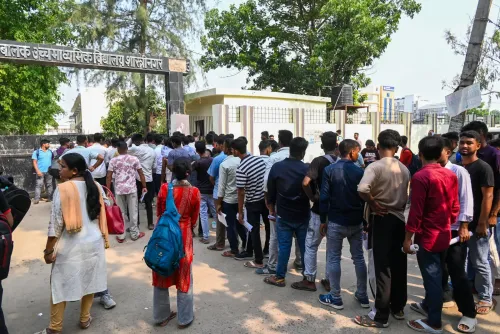
The primary beneficiaries of a credible, leak-free examination system are India's competitive exam aspirants — a cohort numbering in the crores who appear annually for national and state-level entrance and recruitment tests. For many, a single examination cycle represents years of preparation and a pivotal life opportunity.
For Sikkim, a small Himalayan state with a young population heavily dependent on central government jobs and national-level entrance examinations such as medical and engineering entrances, the integrity of these tests carries outsized importance. CM Tamang's public endorsement signals that the state administration views examination security as a governance priority, not merely a central mandate.
The Sikkim Krantikari Morcha, the ruling party founded by Tamang, has built its identity around development and youth empowerment — making the anti-paper-leak agenda a natural political fit for the state government.
What's Next
Attention will now turn to whether Sikkim moves to formalise state-level implementation rules aligned with the Public Examinations (Prevention of Unfair Means) Act, 2024, and whether joint centre-state review meetings on examination security are convened ahead of the next annual cycle of national entrance tests.
With several states already tightening their examination boards' protocols, CM Tamang's statement adds political momentum to the broader national effort — and raises expectations that Sikkim will translate that resolve into concrete administrative action in the months ahead.
Point of View
Lending the anti-paper-leak campaign a federal character. For Sikkim, where central government employment is a crucial aspiration for young people in a small hill economy, examination credibility is not an abstract policy concern but a direct political one. The real test will be whether the state follows words with concrete administrative alignment — something Tamang's government will likely be held to by student groups and opposition voices in the coming months.
NationPress
24 Jul 2026
Frequently Asked Questions
What did Sikkim CM Prem Singh Tamang say about paper leaks?
CM Prem Singh Tamang said that PM Modi's unwavering commitment to eliminating paper leaks reinforces the collective resolve to safeguard the future and aspirations of students, expressing strong support for the Centre's anti-malpractice drive.
What is the Public Examinations Prevention of Unfair Means Act 2024?
The Public Examinations (Prevention of Unfair Means) Act, 2024 is a central law passed by Parliament that criminalises paper leaks, impersonation, and other malpractices in public recruitment and entrance examinations, introducing stringent penalties for offenders.
Why is paper leak a big issue in India?
Paper leaks have repeatedly disrupted India's high-stakes competitive examinations, derailing the careers of millions of aspirants who spend years preparing for a single test cycle, making examination integrity a major governance and youth-welfare concern.
What is the Sikkim Krantikari Morcha?
The Sikkim Krantikari Morcha (SKM) is the ruling political party in Sikkim, founded by Chief Minister Prem Singh Tamang. It has positioned itself around development and youth empowerment since coming to power.
How does the 2024 anti-paper-leak law affect state governments?
The Public Examinations (Prevention of Unfair Means) Act, 2024 sets a central criminal framework, and state governments are expected to align their own examination boards and recruitment bodies with its provisions to create a unified national deterrent against malpractice.