CM Dhami backs fast-track courts for paper leak cases
Synopsis
Uttarakhand CM Pushkar Singh Dhami announced fast-track courts to expedite punishment for paper leak offenders, responding to student demands and invoking PM Modi's youth-first leadership. He also accused opposition parties of politicising student grievances rather than seeking solutions.
Key Takeaways
Uttarakhand CM Pushkar Singh Dhami announced the constitution of fast-track courts to try paper leak cases on 23 July 2026 .
The decision is framed as a direct response to students' long-standing demand for swift justice in examination fraud cases.
Dhami attributed the government's youth-first approach to the leadership of Prime Minister Narendra Modi .
The move builds on the central Public Examinations (Prevention of Unfair Means) Act, 2024 , which introduced strict penalties for paper leaks.
Dhami accused certain opposition parties and leaders of exploiting student concerns for political ambition rather than resolving them.
The actual operationalisation of the courts — timeline, bench strength, and case allocation — remains to be confirmed.
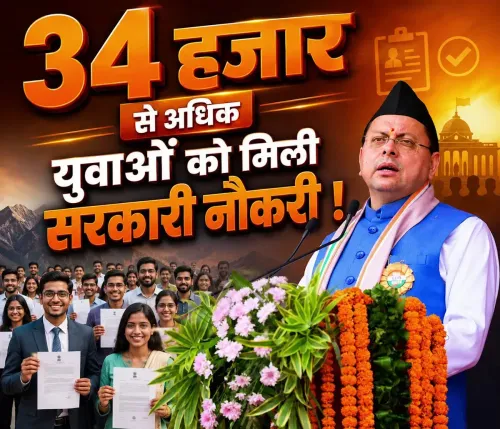
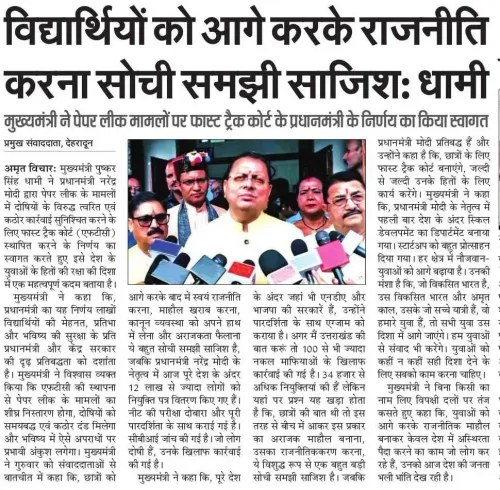
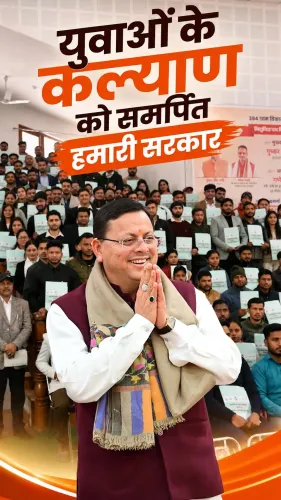
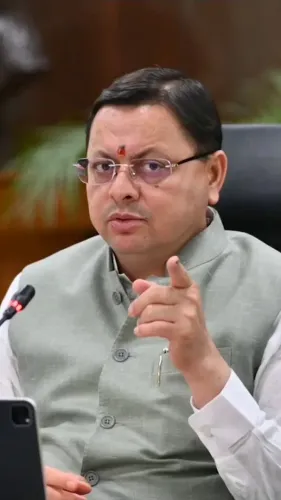
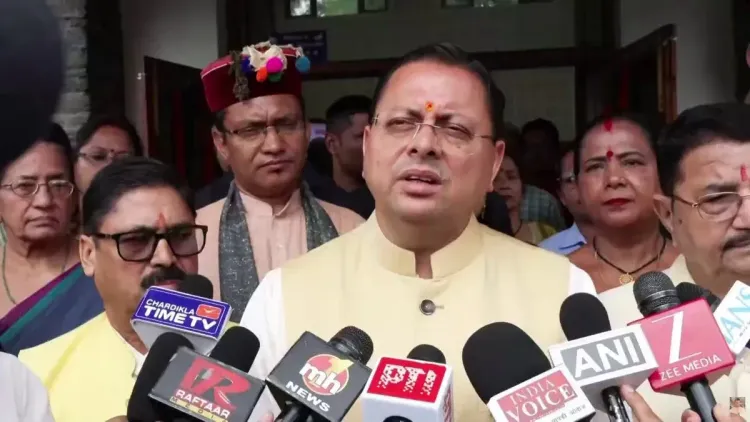
Uttarakhand Chief Minister Pushkar Singh Dhami on Thursday, 23 July 2026, announced that the government has decided to constitute fast-track courts to swiftly punish those found guilty in examination paper leak cases, framing the move as a direct response to long-standing student demands. Dhami credited the decision to the leadership of Prime Minister Narendra Modi, asserting that the welfare of youth remains the government's foremost priority.
Context
Posting in Hindi on X, CM Dhami stated: 'छात्रों की लंबे समय से चली आ रही मांग को ध्यान में रखते हुए पेपर लीक मामलों के दोषियों को शीघ्र सजा दिलाने के लिए फास्ट ट्रैक कोर्ट के गठन का निर्णय लिया गया है' — ('Keeping in view the long-standing demand of students, a decision has been taken to constitute fast-track courts to ensure speedy punishment for those guilty in paper leak cases.'). He also took aim at opposition parties, accusing them of using students' concerns as a vehicle for political ambition rather than seeking genuine solutions.
Uttarakhand has seen student unrest in recent years over alleged irregularities in state-level recruitment and entrance examinations. The announcement signals a judicial-administrative response aimed at restoring confidence among the state's large population of competitive exam aspirants.
Policy Backdrop
The move builds on the Public Examinations (Prevention of Unfair Means) Act, 2024, a central law that introduced significantly stricter penalties — including imprisonment and heavy fines — for paper leaks and other malpractices in public examinations. The Uttarakhand government's fast-track court decision operationalises the spirit of that legislation at the state level by creating a dedicated judicial channel for speedy trials.
Fast-track courts have previously been deployed across India for cases involving crimes against women and children, and their extension to examination fraud marks a broadening of the model. BJP-governed states including Uttar Pradesh, Bihar, and Rajasthan have all faced public pressure following paper-leak controversies that disrupted major recruitment cycles and triggered street protests by aspirants.
Stakeholders and Impact
The primary beneficiaries of the measure, if implemented effectively, would be competitive exam aspirants in Uttarakhand — a demographic that invests years of preparation for government recruitment examinations. Delayed justice in leak cases has historically allowed accused individuals to evade accountability while affected candidates lose crucial years of eligibility.
Opposition parties, implicitly targeted in Dhami's post, are likely to contest the framing. Dhami's statement that certain political leaders are 'making students a means of their political ambitions' reflects the BJP's broader counter-narrative that positions the ruling party as the problem-solver and the opposition as an opportunist actor in the student-protest space.
What's Next
The critical test will be the actual operationalisation of the proposed fast-track courts — including the timeline for their constitution, the bench strength allocated, and the specific cases brought before them. Exam aspirants and civil society groups are expected to monitor whether the announcement translates into verifiable judicial action before the next major state recruitment cycle.
Should Uttarakhand's model demonstrate measurable results, it could serve as a template for replication in other BJP-ruled states facing similar examination integrity challenges, reinforcing the party's national narrative on youth welfare ahead of future electoral contests.
Point of View
The statement follows a well-worn BJP playbook of converting administrative action into electoral messaging. The fast-track court model, if operationalised credibly, could meaningfully accelerate justice for affected aspirants — but the announcement alone carries limited weight without a clear implementation timeline. The broader pattern across BJP-ruled states suggests this is as much about narrative management ahead of recruitment cycles as it is about judicial reform.
NationPress
22 Oct 2026
Frequently Asked Questions
What did Uttarakhand CM Dhami announce about paper leak cases?
CM Pushkar Singh Dhami announced the constitution of fast-track courts in Uttarakhand to ensure speedy punishment for those found guilty in examination paper leak cases, responding to a long-standing demand from students.
What is the Public Examinations (Prevention of Unfair Means) Act, 2024?
It is a central law enacted in 2024 that introduced stricter penalties, including imprisonment and heavy fines, for paper leaks and other malpractices in public examinations across India.
What are fast-track courts and how do they help in paper leak cases?
Fast-track courts are special judicial mechanisms designed to hear and decide sensitive cases on an expedited basis, reducing the delays of regular courts. In paper leak cases, they would allow quicker trials and punishment for the accused.
Has Uttarakhand faced paper leak controversies before?
Yes, Uttarakhand has witnessed student protests over alleged irregularities in state-level recruitment and entrance examinations, making examination integrity a significant political and governance issue in the state.
Why did CM Dhami criticise opposition parties in his post?
Dhami accused certain political parties and leaders of using students' concerns as a tool for their own political ambitions rather than working towards genuine solutions, a counter-narrative the BJP has deployed in several states facing student unrest over paper leaks.