Sikkim HC orders IRCON to stop dumping debris into Teesta River

Synopsis
The Sikkim High Court has stepped in to protect the Teesta River, ordering IRCON and its contractors to immediately stop dumping excavation debris into the river during the Sevok-Rangpo railway project. With residents citing obstructed flow and flooding risk, and petitioners invoking the Polluter Pays principle, the case puts India's infrastructure-versus-environment dilemma on a Himalayan stage where the stakes are especially high.
Key Takeaways
The Sikkim High Court on 14 October 2026 ordered IRCON and its contractors to immediately stop dumping debris into the Teesta River .
The order was issued by a bench of Chief Justice A.
Muhamed Mustaque and Justice Bhaskar Raj Pradhan in WP(PIL) No.
The Namchi District Collector must submit a compliance report within three weeks and can act under the Water (Prevention and Control of Pollution) Act, 1974 .
Petitioners — residents of Melli Bazar, Namchi district — allege the dumping is obstructing the river's natural flow and causing flooding in Sikkim.
Petitioners have invoked the 'Polluter Pays' principle and sought an expert panel of hydrologists and environmental engineers.
The next court hearing is scheduled for 17 November .
The Sikkim High Court has directed Indian Railway Construction Company Limited (IRCON) and its contractors to immediately halt the dumping of excavated soil, mud, and construction debris into the Teesta River, arising from work on the Sevok-Rangpo railway project. The order was issued on Wednesday, 14 October 2026, following a Public Interest Litigation filed by residents of Melli Bazar in Namchi district.
What the Court Directed
A division bench comprising Chief Justice A. Muhamed Mustaque and Justice Bhaskar Raj Pradhan heard the petition registered as WP(PIL) No. 09 of 2026. The bench directed IRCON and its contractors to dispose of all excavated material exclusively at designated dumping sites, with a strict prohibition on riverine disposal. The Namchi District Collector has been tasked with ensuring compliance and is empowered to initiate action under the Water (Prevention and Control of Pollution) Act, 1974 against any violations.
What the Petitioners Alleged
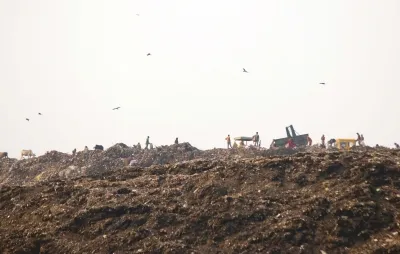
Residents of Melli Bazar alleged that construction waste being deposited along the Teesta river basin was obstructing the river's natural flow and causing water to overflow towards Sikkim. The petitioners have demanded the removal of all dumped material, construction of protective embankments, and the constitution of an expert committee comprising hydrologists and environmental engineers to assess the extent of environmental damage. They have also sought recovery of restoration costs under the 'Polluter Pays' principle, which holds those responsible for environmental damage liable for the cost of remediation.
Background and Inspection Timeline
The latest directions follow a series of earlier proceedings. On 7 September, the court had directed the District Legal Services Authority (DLSA), Namchi, to inspect the sites identified in the petition. The DLSA Secretary subsequently submitted an inspection report on 3 October, which the court considered before issuing the present order. The District Collector and the State Pollution Control Board have been added as respondents in the matter. The District Collector is required to submit a compliance report within three weeks, and the next hearing has been scheduled for 17 November.
Why This Matters for the Teesta and Sikkim
The Teesta River is a critical waterway for Sikkim and downstream communities in West Bengal, already under stress from recurring floods and sediment build-up. The Sevok-Rangpo railway line is a strategically significant infrastructure project aimed at providing Sikkim its first rail connectivity, making the tension between development timelines and environmental protection particularly acute. Notably, Sikkim has been acutely vulnerable to river-related disasters — most recently the catastrophic glacial lake outburst flood of October 2023 — making judicial oversight of riverine construction practices especially consequential. This case underscores a broader national challenge: balancing accelerated infrastructure delivery with enforceable environmental safeguards along ecologically sensitive Himalayan corridors.
What Happens Next
All eyes are now on the District Collector's compliance report, due within three weeks, which will determine whether IRCON has shifted to designated disposal sites. Should the report reveal continued violations, the court retains the authority to initiate action under the Water Pollution Act. Environmental groups and river conservation advocates are likely to watch the 17 November hearing closely for any further directions on the expert committee sought by petitioners.
Point of View
Yet environmental compliance mechanisms remain under-resourced and weakly enforced. The court's move to add the State Pollution Control Board as a respondent and to demand a verifiable compliance report within three weeks reflects a growing judicial recognition that self-regulation by contractors has failed. The deeper question is whether the project's timeline pressures will outlast the court's attention once headlines fade.
NationPress
14 Oct 2026
Frequently Asked Questions
What did the Sikkim High Court order regarding the Teesta River?
The Sikkim High Court directed IRCON and its contractors to immediately stop dumping excavated soil, mud, and construction debris into the Teesta River and to use only designated disposal sites. The order was issued on 14 October 2026 as part of a PIL filed by residents of Melli Bazar in Namchi district.
What is the Sevok-Rangpo railway project and why is it significant?
The Sevok-Rangpo railway line is a major infrastructure project designed to provide Sikkim with its first rail connectivity, linking Sevok in West Bengal to Rangpo in Sikkim. The project is strategically important but has drawn criticism for its environmental impact on the ecologically sensitive Teesta river basin.
Who filed the PIL and what are they seeking?
Residents of Melli Bazar in Namchi district filed WP(PIL) No. 09 of 2026 alleging that construction waste was blocking the Teesta's natural flow and flooding nearby areas. They have sought removal of dumped material, construction of protective walls, an expert environmental committee, and cost recovery under the Polluter Pays principle.
What is the 'Polluter Pays' principle cited in this case?
The Polluter Pays principle is an environmental law doctrine that requires parties responsible for causing environmental damage to bear the full cost of remediation and restoration. The petitioners have invoked it to hold IRCON financially liable for any ecological harm caused to the Teesta River.
What happens next in the case?
The Namchi District Collector must submit a compliance report within three weeks confirming that IRCON has stopped dumping in the river. The court has scheduled the next hearing for 17 November, when it will assess whether the order has been followed and consider further directions including the possible formation of an expert environmental committee.