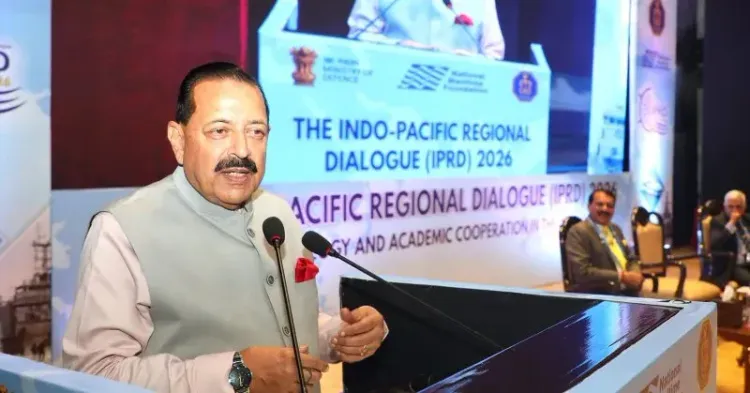
Dr. Jitendra Singh flags Indo-Pacific Regional Dialogue 2026
Synopsis
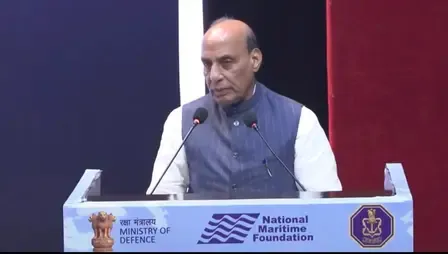
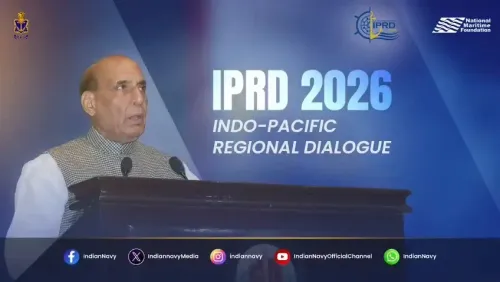
Union MoS Dr. Jitendra Singh highlighted the Indo-Pacific Regional Dialogue 2026, reinforcing India's deepening strategic engagement across a region central to global maritime security and the rules-based order.
Key Takeaways
Jitendra Singh flagged the Indo-Pacific Regional Dialogue (IPRD) 2026 on X on 5 November 2026 .
The IPRD is a multilateral forum focused on maritime security, connectivity and rules-based order in the Indo-Pacific.
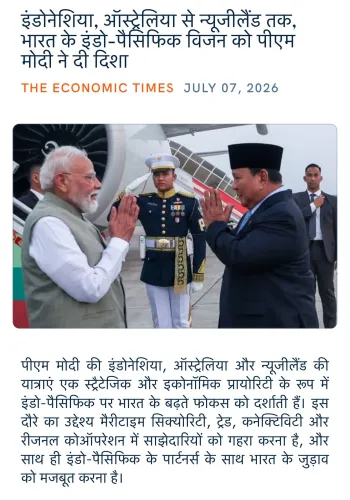
India's Indo-Pacific vision was first formally articulated by PM Modi at the 2018 Shangri-La Dialogue , stressing inclusivity and ASEAN centrality.
India has steadily deepened its Indo-Pacific engagement through the Quad , ASEAN-led mechanisms and bilateral maritime partnerships.
No verified details on the 2026 edition's organiser, host city or specific agenda have been officially announced yet.
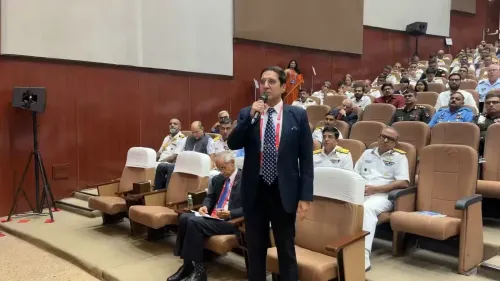
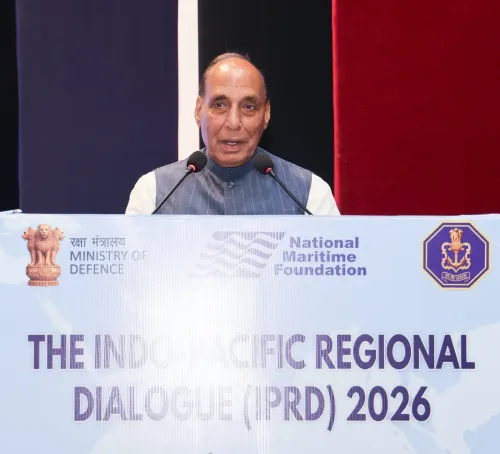
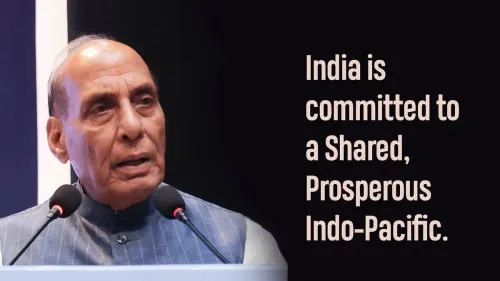
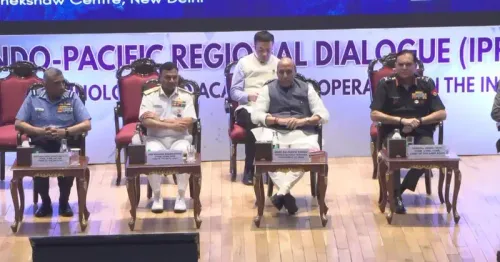
India's strategic gaze is firmly fixed on the Indo-Pacific. Union Minister of State Dr. Jitendra Singh took to X on Thursday, 5 November 2026 to flag the Indo-Pacific Regional Dialogue (IPRD) 2026, underlining New Delhi's continued investment in one of the world's most consequential geopolitical theatres.
India's Indo-Pacific posture: a vision that has only grown bolder
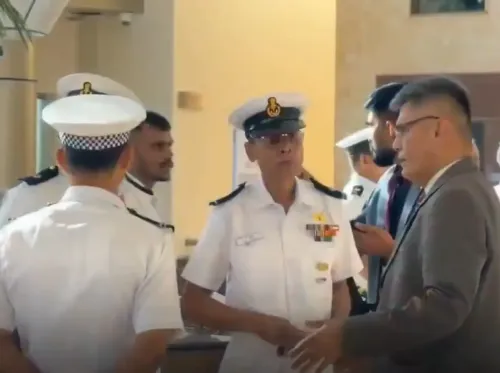
The IPRD is a recurring dialogue series that brings together navies, think tanks and officials to deliberate on maritime security, regional connectivity and the rules-based order across the Indo-Pacific. India's engagement with such platforms has deepened significantly since Prime Minister Narendra Modi laid out the country's Indo-Pacific vision at the Shangri-La Dialogue in 2018 — a framework built on inclusivity, openness and ASEAN centrality.
That speech marked a turning point: New Delhi stopped treating the Indo-Pacific as a distant strategic abstraction and began treating it as an active operating space. Since then, India has layered its presence across the Quad, ASEAN-led forums, and a web of bilateral maritime partnerships that stretch from the Strait of Malacca to the western Indian Ocean.
Why IPRD matters in 2026
The IPRD sits at the intersection of hard security and soft diplomacy — exactly the kind of forum where India's dual identity as a rising naval power and a champion of the Global South plays well. Discussions typically span anti-piracy cooperation, undersea cable security, disaster response corridors and freedom-of-navigation principles — each of them live wires in the current regional climate.
A minister-level signal on official social media is consistent with the government's practice of using digital platforms to flag strategic outreach, reinforcing that India is not merely attending such dialogues but actively amplifying its presence within them.
Point of View
Brief as it is, is a deliberate signal — in Indian strategic communication, amplifying a forum like the IPRD is itself a statement of intent. It sits squarely within the Modi government's broader effort to position India as an indispensable stakeholder in Indo-Pacific architecture, not just a passive participant. The timing, in late 2026, comes as competition over maritime lanes and undersea infrastructure has intensified, making India's visible presence in such dialogues diplomatically valuable. Watch for follow-up announcements on India's specific agenda or delegation at the 2026 edition.
NationPress
5 Nov 2026
Frequently Asked Questions
What is the Indo-Pacific Regional Dialogue (IPRD)?
The IPRD is a recurring multilateral forum that brings together naval officials, strategic think tanks and policymakers to discuss maritime security, regional connectivity and the rules-based order across the Indo-Pacific region.
What is India's official position on the Indo-Pacific?
India's Indo-Pacific vision, articulated by Prime Minister Modi at the 2018 Shangri-La Dialogue, emphasises an open, inclusive and rules-based Indo-Pacific with ASEAN at its centre.
What is Dr. Jitendra Singh's role in the government?
Dr. Jitendra Singh is Union Minister of State (Independent Charge) for Science and Technology and Earth Sciences, and also holds the portfolio of Minister of State in the Prime Minister's Office and for Personnel.
How has India expanded its Indo-Pacific engagement in recent years?
India has broadened its Indo-Pacific footprint through the Quad, ASEAN-led forums, and bilateral maritime partnerships, while actively participating in dialogues focused on anti-piracy, undersea cable security and freedom-of-navigation principles.
Why do Indian ministers post about strategic dialogues on social media?
The Modi government routinely uses official social media to signal strategic priorities, treating public digital communication as an extension of diplomatic outreach and a way to reinforce India's active role in key multilateral forums.