Sitharaman marks 12 years of Modi govt's healthcare push
Synopsis
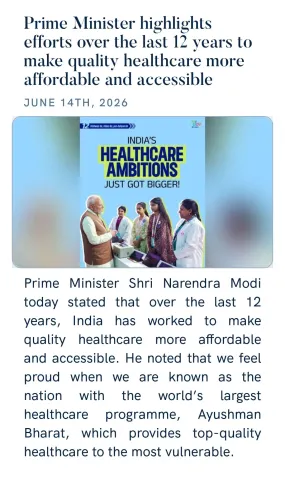
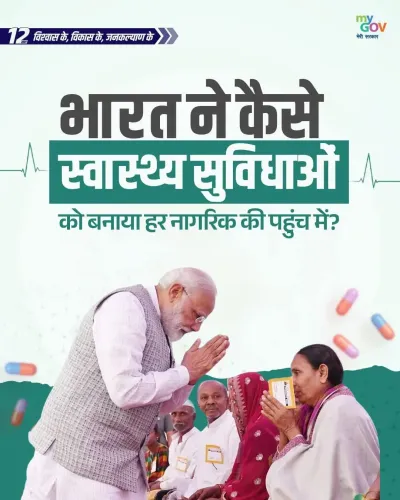
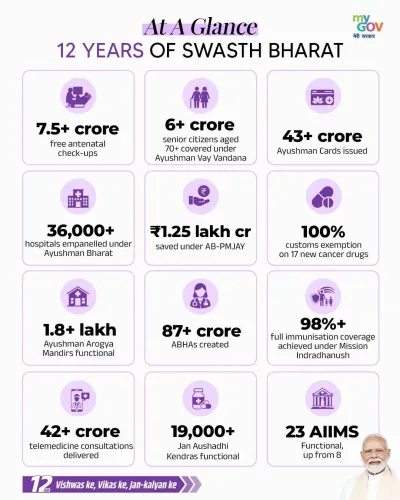
Union Finance Minister Nirmala Sitharaman marked 12 years of the Modi government's healthcare agenda on June 14, 2026, citing a sustained focus on making quality medical care accessible and affordable for every Indian under the #12YearsOfSwasthBharat campaign.
Key Takeaways
Finance Minister Nirmala Sitharaman posted on June 14, 2026 marking 12 years of the Modi government's healthcare agenda under #12YearsOfSwasthBharat .
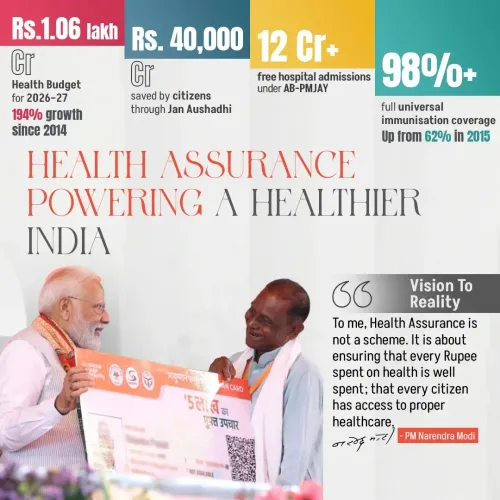
Ayushman Bharat PM-JAY , launched in 2018 , offers up to Rs 5 lakh annual health cover to over 10 crore vulnerable families.
The National Health Mission , operational since 2013 , has been continued and expanded to strengthen rural and urban health infrastructure.
The National Health Policy 2017 targets public health spending at 2.5 per cent of GDP and universal health coverage.
State-level adoption of Ayushman Bharat and the next Union Budget's health allocations remain the key metrics to watch for sustained progress.
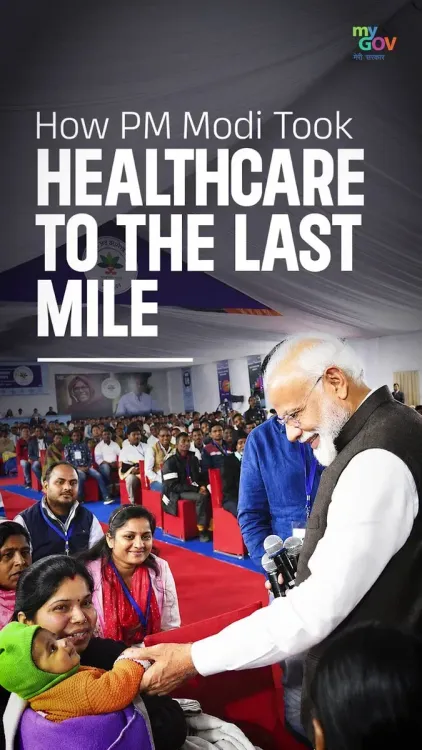
Union Finance Minister Nirmala Sitharaman on Sunday, June 14, 2026, highlighted 12 years of the Narendra Modi government's efforts to make quality healthcare accessible and affordable for every Indian citizen, marking the occasion with the hashtag #12YearsOfSwasthBharat.
Context
Sitharaman's post comes as the BJP-led central government marks over a decade in power, with the ruling party running a series of themed campaigns across social sectors. The Finance Minister stated that there has been 'a clear focus on making quality healthcare accessible and affordable for every citizen' under Prime Minister Modi's leadership since 2014.
The post is part of a broader government-wide social media push under the #12YearsOfSwasthBharat banner, amplifying the administration's record on health policy ahead of continued legislative and budgetary cycles.
Policy Backdrop
The flagship vehicle for this push has been Ayushman Bharat, an umbrella health programme launched in 2018 that encompasses two pillars: the Pradhan Mantri Jan Arogya Yojana (PM-JAY), which provides up to Rs 5 lakh annual health insurance cover to over 10 crore vulnerable families, and the Health and Wellness Centres initiative aimed at delivering comprehensive primary care at the sub-centre and primary health centre level.
Parallel to Ayushman Bharat, the National Health Mission — operational since 2013 and carried forward post-2014 — has continued to strengthen rural and urban health infrastructure across states. The National Health Policy 2017 set a long-term goal of raising public health spending to 2.5 per cent of GDP and achieving universal health coverage. Successive Union Budgets presented by Sitharaman have incrementally raised allocations for these programmes.
Stakeholders and Impact
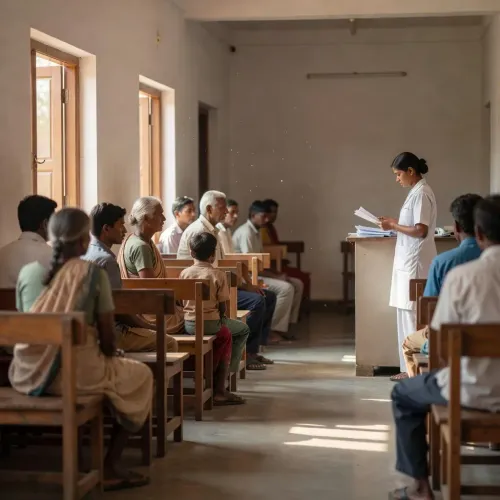
The primary beneficiaries of this policy architecture are low-income families who previously faced high out-of-pocket medical expenditure. State health departments serve as the implementation arm, and private hospitals empanelled under PM-JAY have expanded the network of cashless treatment facilities available to enrolled beneficiaries.
The government's approach combines centrally sponsored insurance mechanisms with primary-care infrastructure expansion, while also integrating digital health records and traditional medicine into the broader framework. This mirrors parallel multi-year branding campaigns in housing, sanitation, and other social sectors that the administration has championed since 2014.
What's Next
Analysts tracking Indian health policy will watch state-level adoption rates of Ayushman Bharat and any supplementary provisions in the next Union Budget as key indicators of whether funding and coverage expansion remain on an upward trajectory. The #12YearsOfSwasthBharat campaign signals that health will continue to feature prominently in the government's political messaging, even as questions around actual public health expenditure as a share of GDP and quality of care at peripheral facilities remain subjects of ongoing policy debate.
Point of View
Using the Finance Ministry's platform to reinforce the BJP's decade-long health governance narrative ahead of ongoing budget and legislative cycles. By anchoring the message to 'accessibility and affordability' — the two persistent pain points of Indian healthcare — the government is framing its insurance-led model as a structural achievement rather than a work in progress. The invocation of PM Modi's leadership also serves to consolidate credit at the top, a recurring pattern in the administration's social-sector communication. Whether the campaign translates into fresh policy announcements or remains a retrospective branding exercise will determine its substantive weight.
NationPress
21 Sept 2026
Frequently Asked Questions
What is #12YearsOfSwasthBharat?
#12YearsOfSwasthBharat is a government social media campaign marking 12 years of the Modi administration's healthcare initiatives, including Ayushman Bharat and the National Health Mission, aimed at making quality care accessible and affordable for all Indians.
What is Ayushman Bharat PM-JAY?
Ayushman Bharat Pradhan Mantri Jan Arogya Yojana is a central government health insurance scheme launched in September 2018 that provides up to Rs 5 lakh annual cashless cover to over 10 crore economically vulnerable families across India.
What has the Modi government done for healthcare in 12 years?
Over 12 years, the Modi government has launched Ayushman Bharat (covering insurance and Health and Wellness Centres), continued the National Health Mission, adopted the National Health Policy 2017 targeting 2.5 per cent of GDP in health spending, and progressively raised Union Budget allocations for health.
Why did Nirmala Sitharaman post about healthcare?
As Union Finance Minister and a senior BJP leader, Sitharaman posted on June 14, 2026 to mark 12 years of the Modi government, highlighting the administration's focus on making healthcare accessible and affordable as part of the #12YearsOfSwasthBharat campaign.
What are Health and Wellness Centres in India?
Health and Wellness Centres are a component of the Ayushman Bharat programme rolled out from 2018 onward to deliver comprehensive primary healthcare services at sub-centre and primary health centre levels across rural and urban India.