Sitharaman recalls flying Sukhoi-30 as Defence Minister
Synopsis
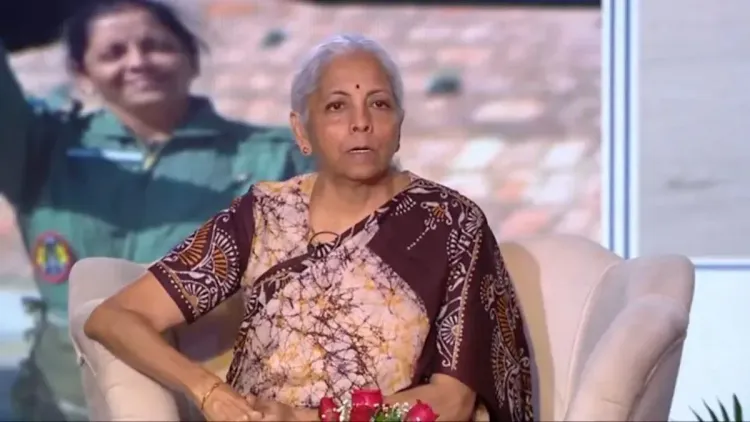
Union Finance Minister Nirmala Sitharaman, at a Chennai session with girl students, recalled flying a Sukhoi-30 fighter jet as Defence Minister — trained by IAF at Jodhpur and flying supersonic — saying the experience revealed the extraordinary alertness and decisiveness combat pilots must sustain.
Key Takeaways
Nirmala Sitharaman served as India's Defence Minister from September 2017 to May 2019 , during which she flew a Sukhoi-30 fighter aircraft .
The supersonic flight departed from Jodhpur airbase after Indian Air Force officers briefed her on possible in-flight scenarios.
Sitharaman described breaking the sound barrier as 'a completely different experience' that reshaped her appreciation of combat pilot demands.
She shared the account during an interactive session with girl students in Chennai, Tamil Nadu on September 25, 2026 .
Her key takeaway: the flight highlighted the extreme alertness and instant decision-making IAF pilots must sustain in combat conditions.
She framed her 'Why not?' response to the challenge as the central lesson she passed on to her student audience.
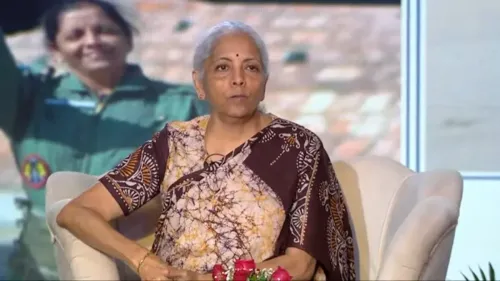
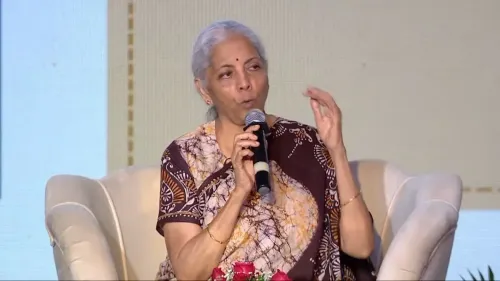
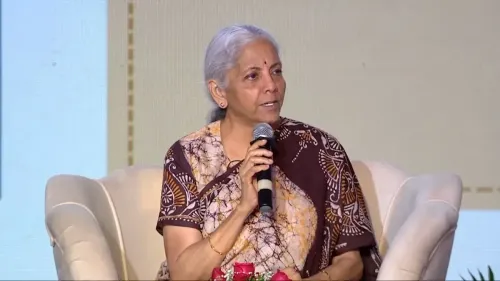
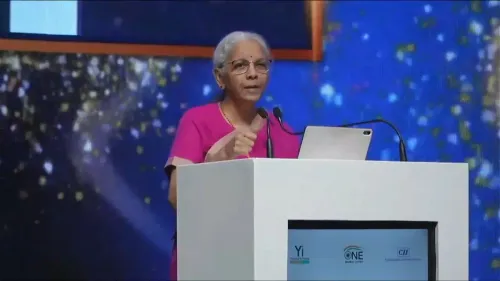
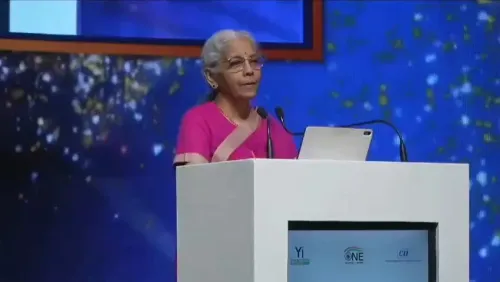
She was asked if she could do it. She said, 'Why not?' — and then flew faster than the speed of sound. Union Finance Minister Nirmala Sitharaman, speaking at an interactive session with girl students in Chennai, Tamil Nadu on September 25, 2026, recounted the moment she accepted the challenge of a supersonic flight in a Sukhoi-30 fighter jet during her tenure as Defence Minister — a tenure that ran from September 2017 to May 2019.
Briefed on Jodhpur's tarmac before breaking the sound barrier
Before the flight took off from Jodhpur, officers of the Indian Air Force put Sitharaman through what she described as 'excellent training' on the range of situations she might encounter mid-air. The preparation was no formality — supersonic flight in a frontline combat aircraft demands familiarity with disorienting g-forces, emergency procedures, and rapid-fire cockpit decisions.
Then the aircraft broke the sound barrier. 'Flying beyond the speed of sound was a completely different experience,' she told the students, describing it as a revelation — not just an aviation milestone, but a window into a mental universe she had never occupied before.
What a cockpit taught a Cabinet minister about combat pilots
The flight, Sitharaman said, fundamentally reframed her understanding of what IAF pilots endure in operational conditions. She came away struck by 'the level of alertness pilots must maintain in combat situations and their ability to take immediate decisions and act swiftly under any circumstances.'
That is not a small thing to witness from the inside of a fighter jet. The Sukhoi-30MKI — the twin-engine, supermaneuverable backbone of India's air combat fleet — is capable of sustained supersonic cruise and is flown through scenarios that stress human physiology and cognition simultaneously. A minister who has sat in that cockpit carries a different weight when signing off on defence budgets or procurement decisions.
A story told to girls in Chennai — and why the setting matters
Sitharaman chose this story not for a defence briefing or a Parliament session, but for a room full of girl students in Tamil Nadu. The implicit message was pointed: the word 'can't' is a question, not an answer. Senior ministers have periodically undertaken orientation flights in IAF aircraft to gain firsthand exposure to operational realities, but few have recounted the experience in youth outreach settings with this kind of directness.
The choice of audience sharpens the story's edge. A Finance Minister, in a school hall, describing supersonic speeds and split-second combat decisions — it lands differently there than it would in a committee room.
For India's girl students who heard it live, the moral was already in the air before she finished the sentence: when the system asks if you can, the only right answer is, 'Why not?'
Point of View
And its outreach to women and youth as a long-term electoral investment. Sharing a high-stakes personal anecdote — supersonic flight, IAF training, combat-readiness — in front of girl students in Tamil Nadu is strategic image-making as much as inspiration. It also quietly reinforces her breadth of portfolio experience at a time when her Finance Ministry tenure dominates her public identity. The subtext for the room: institutional daring is not gendered.
NationPress
25 Sept 2026
Frequently Asked Questions
Did Nirmala Sitharaman really fly a fighter jet?
Yes. Sitharaman flew a Sukhoi-30 fighter aircraft while serving as Defence Minister between 2017 and 2019. The flight took place at Jodhpur airbase after pre-flight training by Indian Air Force officers.
When was Nirmala Sitharaman the Defence Minister of India?
Nirmala Sitharaman served as India's Defence Minister from September 2017 to May 2019 , before being appointed Finance Minister.
What is the Sukhoi-30 aircraft Sitharaman flew in?
The Sukhoi-30MKI is a twin-engine, supermaneuverable fighter jet that forms the backbone of the Indian Air Force 's combat fleet, capable of sustained supersonic flight.
Where did Sitharaman talk about her Sukhoi-30 flight experience?
She recalled the experience during an interactive session with girl students in Chennai, Tamil Nadu on September 25, 2026 .
What did Sitharaman say she learnt from flying the Sukhoi-30?
She said the flight made her realise 'the level of alertness pilots must maintain in combat situations and their ability to take immediate decisions and act swiftly under any circumstances.'