Sitharaman Meets Dev Sanskriti Vishwavidyalaya Pro VC
Synopsis
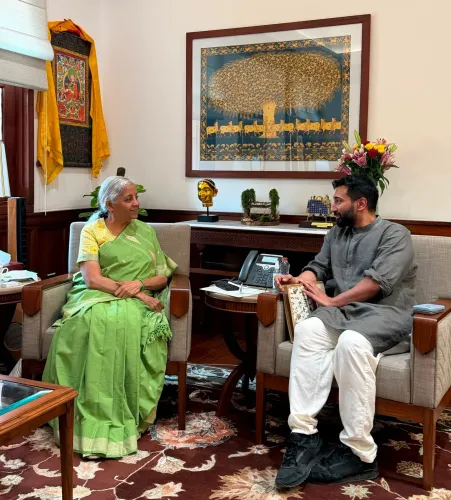
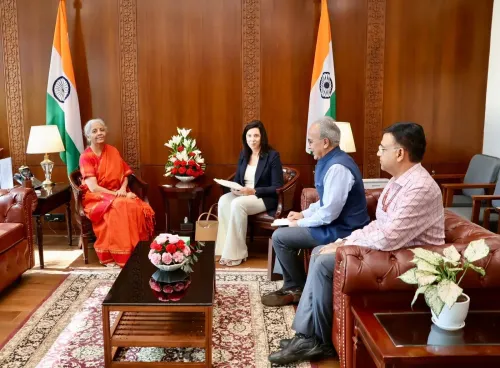
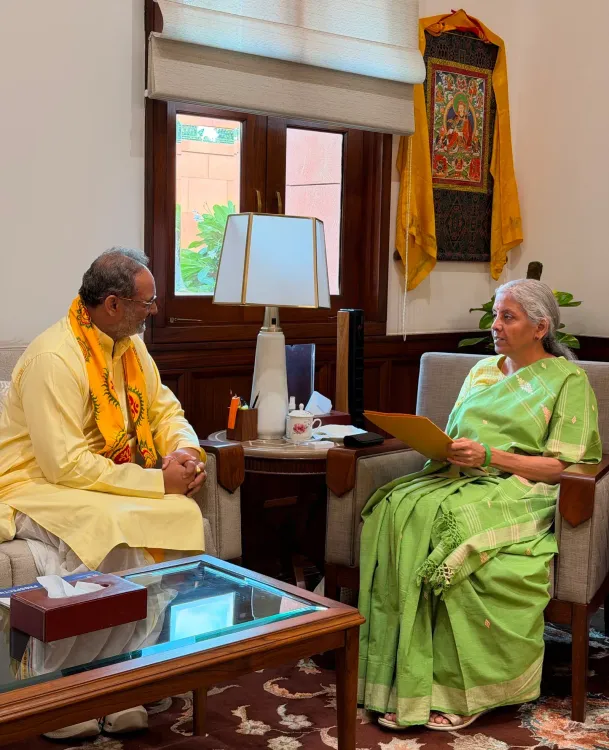
Union Finance Minister Nirmala Sitharaman received Dr Chinmay Pandya, Pro Vice Chancellor of Haridwar-based Dev Sanskriti Vishwavidyalaya, at Parliament House on 22 July 2026. The courtesy call reflects growing ministerial engagement with cultural and value-based higher education institutions amid the National Education Policy 2020 framework.
Key Takeaways
Union Finance Minister Nirmala Sitharaman met Dr Chinmay Pandya , Pro Vice Chancellor of Dev Sanskriti Vishwavidyalaya , at Parliament House on 22 July 2026 .
Dev Sanskriti Vishwavidyalaya is a Haridwar -based university blending modern academics with Sanskrit, yoga, and Indian cultural traditions.
The meeting is consistent with an increased pattern of ministerial engagement with traditional and culturally oriented universities since 2014 .
The National Education Policy 2020 formally supports integration of Indian knowledge systems into higher education, benefiting institutions like Dev Sanskriti Vishwavidyalaya .
No specific agenda or outcome of the meeting has been made public.
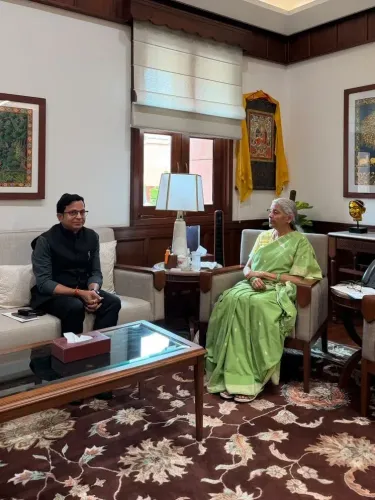
Union Finance Minister Nirmala Sitharaman received Dr Chinmay Pandya, Pro Vice Chancellor of Dev Sanskriti Vishwavidyalaya, at Parliament House on Wednesday, 22 July 2026. The courtesy call is part of a broader pattern of ministerial engagement with heads of cultural and higher education institutions at the central legislature complex.
Context
Dr Chinmay Pandya leads academic and outreach functions at Dev Sanskriti Vishwavidyalaya (@dsvvofficial), a Haridwar-based university founded on the premise of integrating modern academics with Sanskrit, yoga, and Indian cultural traditions. His visit to Parliament House follows an established practice in which university officials and cultural organisation heads seek meetings with senior Union ministers to discuss institutional priorities and policy alignment.
Sitharaman, who holds the portfolios of Finance and Corporate Affairs, is among the most frequently approached ministers by institutional delegations given her role in budget allocations and economic policy that directly affect higher education funding.
Policy Backdrop
The meeting comes against the backdrop of the National Education Policy 2020, which formally prioritised the integration of Indian knowledge systems and value-based education into higher education curricula. Institutions such as Dev Sanskriti Vishwavidyalaya are seen as natural beneficiaries of this policy direction, given their foundational emphasis on cultural and traditional learning frameworks.
Since 2014, engagements between Union ministers and traditional or culturally oriented universities have increased, reflecting a broader governmental effort to align such institutions with national education and cultural policy frameworks.
Stakeholders and Impact
The primary stakeholders in interactions of this nature are higher education institutions promoting Indian knowledge systems, cultural education bodies, and the students enrolled in value-based university programmes. For Dev Sanskriti Vishwavidyalaya, visibility at the level of a senior Union minister can translate into policy conversations around grants, recognition, and curriculum support under centrally sponsored schemes.
Broader civil society groups engaged in promoting Sanskrit education, yoga research, and traditional disciplines also watch such ministerial meetings closely, as they often signal the government's appetite for mainstreaming alternative academic models.
What's Next
The specific agenda or outcomes of the 22 July 2026 meeting have not been made public. Observers of education and budget policy will watch for any references to Dev Sanskriti Vishwavidyalaya or similar institutions in forthcoming Union Budget speeches or education ministry review sessions. The meeting may also presage broader consultations as the government shapes its higher education funding priorities for the next fiscal cycle.
Point of View
Visits of this kind increasingly carry the potential to translate into budgetary or policy outcomes. For Dev Sanskriti Vishwavidyalaya, direct access to the Finance Minister is a meaningful signal of institutional standing. Observers will note whether this engagement surfaces in any forthcoming budget or education ministry announcements.
NationPress
23 Jul 2026
Frequently Asked Questions
Who is Dr Chinmay Pandya and why did he meet Nirmala Sitharaman?
Dr Chinmay Pandya is the Pro Vice Chancellor of Dev Sanskriti Vishwavidyalaya, a Haridwar-based university focused on value-based and cultural education. He called on Union Finance Minister Nirmala Sitharaman at Parliament House on 22 July 2026 in what appears to be a courtesy and institutional engagement meeting.
What is Dev Sanskriti Vishwavidyalaya?
Dev Sanskriti Vishwavidyalaya is a university based in Haridwar, Uttarakhand, established to blend modern academics with Sanskrit, yoga, and Indian cultural traditions. It operates under the handle @dsvvofficial on social media.
Where did the meeting between Sitharaman and Dr Chinmay Pandya take place?
The meeting took place at Parliament House in New Delhi on Wednesday, 22 July 2026.
What is the significance of this meeting for Indian higher education?
The meeting reflects the government's ongoing engagement with institutions aligned with the National Education Policy 2020, which prioritises Indian knowledge systems and value-based education in higher education curricula.
What could come out of Sitharaman's meeting with Dev Sanskriti Vishwavidyalaya?
No specific outcome has been disclosed. Observers are watching for possible references to such institutions in future Union Budget speeches or education ministry review meetings, which could indicate funding or policy support.