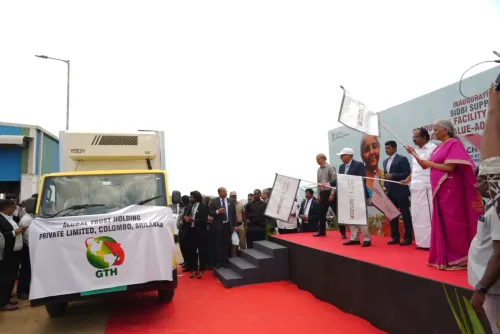
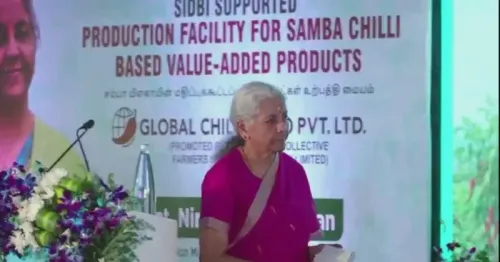
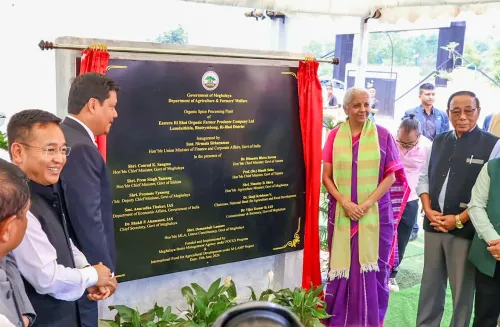
Sitharaman opens chilli processing hub in Virudhunagar
Synopsis
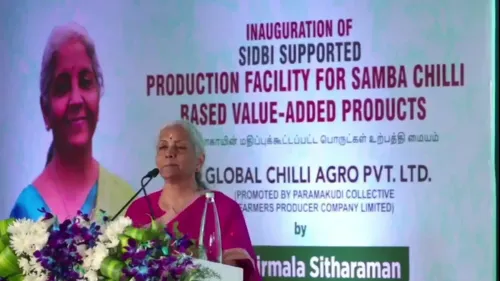
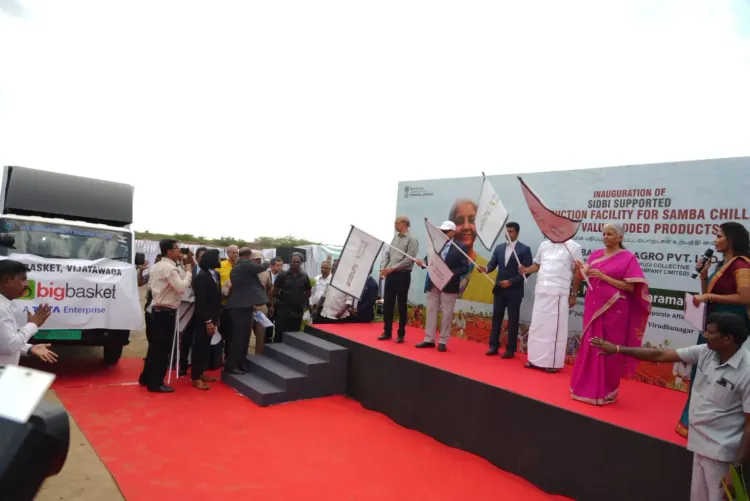
Union Finance Minister Nirmala Sitharaman on 18 July 2026 inaugurated the SIDBI-backed GCAPL integrated chilli processing centre in Virudhunagar, Tamil Nadu, aimed at adding value to GI-tagged Samba chilli and boosting farmer incomes through a blended finance model.
Key Takeaways
Nirmala Sitharaman inaugurated the GCAPL integrated chilli processing centre at Karendal, Virudhunagar on 18 July 2026 .
The facility is supported by SIDBI under its Project Development Initiative (PDI) using a government-backed blended finance model .
The centre covers chilli processing, cleaning, drying, storage, packaging, and quality assurance under one roof.
It targets value addition for the region's GI-tagged Samba chilli , enabling premium domestic and export market access.
Primary beneficiaries are chilli farmers and rural entrepreneurs in Virudhunagar district, southern Tamil Nadu.
The model aligns with the Centre's broader agenda of post-harvest infrastructure investment to raise farmer incomes.
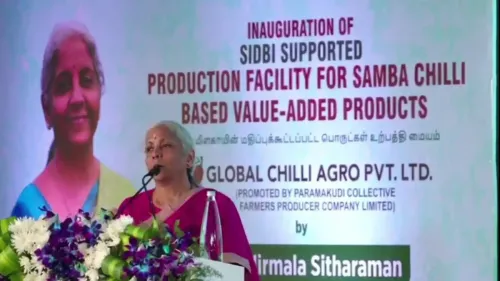
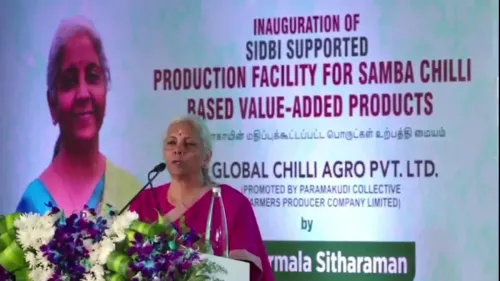
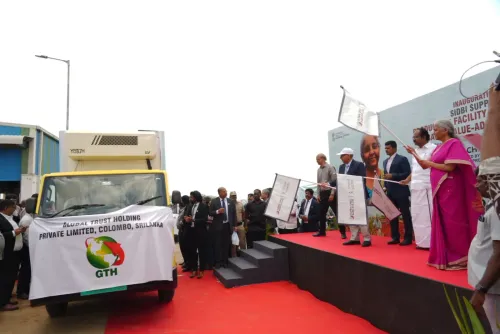
Union Finance Minister Nirmala Sitharaman on Saturday, 18 July 2026, inaugurated an integrated chilli processing centre operated by Global Chilli Agro Private Limited (GCAPL) at Karendal, near Thiruchuzhi in Virudhunagar district of Tamil Nadu. The facility, backed by the Small Industries Development Bank of India (SIDBI), is designed to add value to the region's GI-tagged Samba chilli and strengthen the income base of local farmers and rural entrepreneurs.
Context
The post, shared in Tamil, states that Sitharaman 'inaugurated the integrated chilli processing centre of Global Chilli Agro Private Limited (GCAPL) at Karendal, near Thiruchuzhi in Virudhunagar district, set up with the support of SIDBI.' The centre brings together chilli processing, cleaning, drying, storage, packaging, and quality assurance under one roof to produce value-added chilli products.
Virudhunagar is a recognised production hub for the GI-tagged Samba chilli, a variety prized for its distinctive colour, pungency, and aroma. GI certification allows producers to command premium prices in domestic and export markets while formalising supply chains that have historically been fragmented and informal.
Policy Backdrop
GCAPL is supported through SIDBI's Project Development Initiative (PDI), which uses a blended finance model — combining government funds with private capital — to prepare and bankroll agro-processing and MSME projects in geographically dispersed clusters. SIDBI has operated PDI facilities since the mid-2010s to crowd in private investment where commercial lenders are reluctant to act alone.
The facility also fits within a broader central-government push for post-harvest infrastructure. The Pradhan Mantri Formalisation of Micro Food Processing Enterprises (PMFME) scheme, launched in 2020, has specifically targeted micro agro-processing units for credit-linked grants and capacity-building, with value addition to horticulture produce among its stated priorities.
Successive administrations have identified the gap between farm-gate prices and consumer prices as a structural drag on farmer incomes. Integrated processing hubs are positioned as a direct intervention: by formalising the post-harvest chain — from cleaning and drying through branding and market linkage — they aim to capture a larger share of the final product's value for the producer.
Stakeholders and Impact
The primary beneficiaries are chilli farmers in and around Virudhunagar who grow the Samba variety. By routing produce through a certified processing facility, growers gain access to standardised grading, reduced post-harvest losses, and linkages to organised retail and export buyers that were previously unavailable to smallholders.
Rural entrepreneurs and agro-processing MSMEs stand to benefit from the formalisation of a supply chain that the centre anchors. The blended finance structure, with SIDBI's PDI absorbing early-stage project risk, lowers the barrier for private operators to invest in agro-infrastructure in Tier-3 districts.
The GI tag on Samba chilli is a strategic asset: it restricts the use of the designation to produce from the qualifying region, enabling premium pricing and brand recognition that generic commodity sales cannot achieve. The centre's packaging and quality-assurance capabilities are intended to make that premium commercially realisable at scale.
What's Next
Analysts and farm-sector observers will watch whether the GCAPL facility translates into measurable income gains for registered chilli growers in Virudhunagar — a metric that will determine whether the SIDBI PDI blended-finance template is replicated in other GI-tagged horticulture belts across India. The Finance Minister's personal presence at the inauguration signals that the Centre views such agro-processing investments as central to its rural income and MSME agenda, not peripheral to it.
Point of View
Not just budgetary transfers. The use of SIDBI's PDI blended-finance model to anchor private investment in a GI-tagged horticulture cluster reflects a deliberate strategy to formalise fragmented value chains without direct subsidy dependency. For a BJP-led government seeking to consolidate farmer-welfare optics ahead of state electoral cycles, high-visibility inaugurations in southern states carry additional political weight. The real test will be whether income data from Virudhunagar's chilli growers validates the template for replication across India's other GI-tagged horticulture belts.
NationPress
16 Oct 2026
Frequently Asked Questions
What is the GCAPL chilli processing centre inaugurated by Nirmala Sitharaman?
The GCAPL (Global Chilli Agro Private Limited) integrated chilli processing centre is a facility at Karendal near Thiruchuzhi in Virudhunagar district, Tamil Nadu, inaugurated on 18 July 2026. It handles processing, cleaning, drying, storage, packaging, and quality assurance of chillies under one roof, supported by SIDBI's blended finance model.
What is the GI-tagged Samba chilli of Virudhunagar?
The Samba chilli is a variety grown in Virudhunagar district, Tamil Nadu, that holds a Geographical Indication (GI) tag recognising its unique regional characteristics. The GI designation allows producers to command premium prices in domestic and export markets and restricts use of the name to qualifying produce from the region.
What is SIDBI's Project Development Initiative (PDI)?
SIDBI's Project Development Initiative (PDI) is a programme that helps prepare bankable agro-processing and MSME projects using a blended finance structure, combining government funds with private capital to reduce risk and attract investment in areas where commercial lenders are reluctant to act alone.
How does the GCAPL facility benefit chilli farmers in Virudhunagar?
The centre links cultivation directly to processing, branding, and market access, reducing post-harvest losses and enabling farmers to earn more by selling graded, certified produce to organised retail and export buyers rather than through informal commodity markets.
What is the PMFME scheme and how does it relate to this facility?
The Pradhan Mantri Formalisation of Micro Food Processing Enterprises (PMFME) scheme, launched in 2020, provides credit-linked support to micro agro-processing units. The GCAPL centre fits within the broader policy push this scheme represents, targeting value addition in horticulture to raise farmer incomes.