Smriti Irani at INSAUK: India-UK Education Ties in Focus
Synopsis
BJP leader Smriti Irani attended an INSAUK event in New Delhi on 28 July 2026, engaging with British Council leadership and students on deepening India-UK ties in education, research, skills and innovation — building on two decades of bilateral academic collaboration.
Key Takeaways
Smriti Irani participated in an INSAUK event in New Delhi on 28 July 2026 focused on India-UK education ties.
Discussions included British Council leadership and students, centring on innovation, adaptability and purposeful leadership.
The UK-India Education and Research Initiative (UKIERI) , launched in 2005 , provides the two-decade institutional backbone for this bilateral relationship.
India's National Education Policy 2020 explicitly supports internationalisation, making UK partnerships a policy priority.
Irani identified education, research, skills and innovation as the four pillars for unlocking new India-UK opportunities.
Possible follow-up MoUs or joint programmes from ongoing India-UK education dialogues remain to watch.
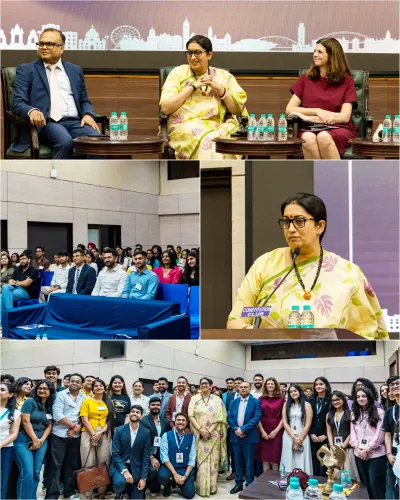
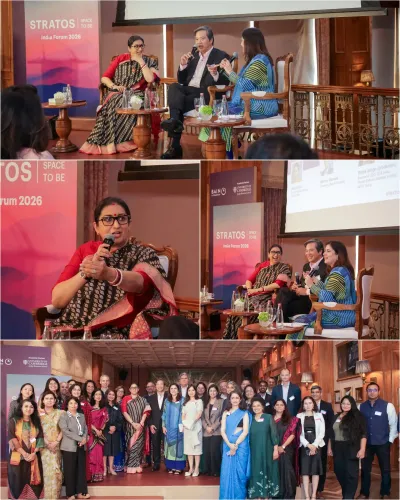
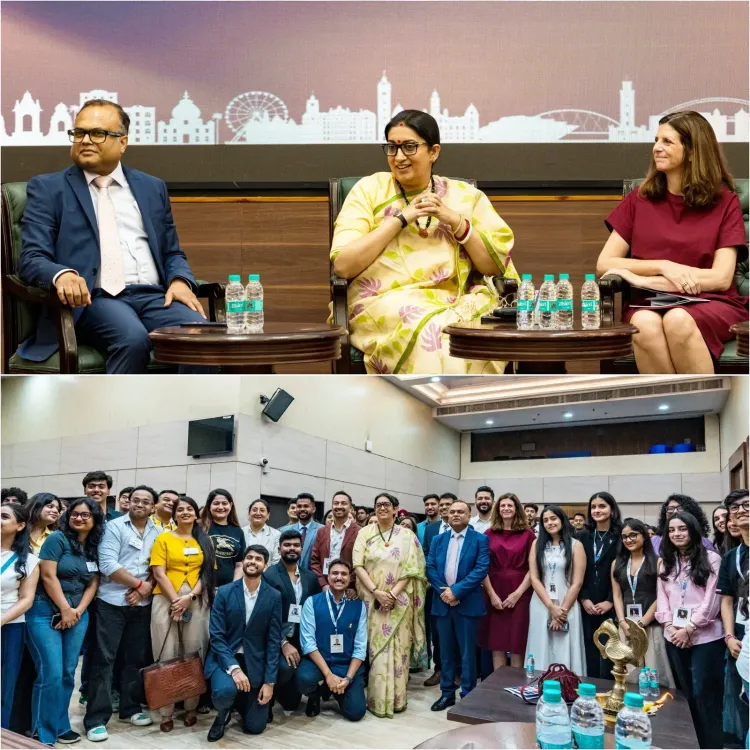
The next generation of students — Indian and British alike — stood at the centre of a high-level conversation in New Delhi on Tuesday, 28 July 2026, as BJP leader Smriti Irani engaged with students, British Council leadership, and senior stakeholders at an INSAUK event focused on deepening the India-UK education partnership.
What the New Delhi Dialogue Covered
Irani described discussions that went beyond routine diplomatic pleasantries. The conversations, she said, centred on 'preparing the next generation for an increasingly interconnected world, where academic excellence must be complemented by innovation, adaptability and purposeful leadership.' The framing was deliberate: not just knowledge exchange, but building what she called 'lasting value for both our nations.' The British Council — the UK's foremost body for cultural relations and educational opportunity — has maintained a long-standing footprint in India, running student exchanges and institutional partnerships across disciplines. Its presence at the INSAUK event signals that this dialogue carries institutional weight, not merely ceremonial goodwill.A Partnership With Two Decades of Architecture Behind It
The India-UK education relationship is not new. The UK-India Education and Research Initiative (UKIERI), launched in 2005, has for over two decades funded joint research projects, faculty exchanges, and institutional collaborations between universities on both sides. The current conversation builds on that foundation. Domestically, India's National Education Policy 2020 explicitly encourages internationalisation of higher education — welcoming foreign university campuses, promoting joint degrees, and expanding research linkages. That policy backdrop makes bilateral education partnerships with countries like the UK a natural fit, not an outlier. Irani, who served as Union Minister for Human Resource Development from 2014 to 2016, oversaw early reforms in India's education sector during a period of significant institutional churn. Her engagement at a platform like INSAUK carries both political and policy resonance.Skills, Research, and the Opportunity Irani Is Pointing To
Irani's post explicitly named four pillars — education, research, skills and innovation — as the levers through which deeper India-UK collaboration can 'unlock new opportunities for students, educators and institutions alike.' That framing aligns closely with the priorities India has signalled in its broader internationalisation push: not just degrees, but employable skills and research output that feed economic growth. As India positions itself, in Irani's words, as 'a global engine of growth,' the argument is that education partnerships are not soft diplomacy — they are economic infrastructure. Whether this particular dialogue produces follow-up MoUs or joint programmes remains to be watched, but the political signalling is clear. The real test of any such forum is what gets signed, funded, and delivered — and Indian students will be watching for exactly that.Point of View
High-profile engagements like this one serve to build political momentum for the foreign-collaboration provisions that have so far moved slowly. The real question is whether such forums translate into concrete institutional agreements, or remain in the register of aspirational diplomacy.
NationPress
28 Jul 2026
Frequently Asked Questions
What is the INSAUK event Smriti Irani attended?
INSAUK is a platform focused on India-UK collaboration. Smriti Irani attended its New Delhi event on 28 July 2026, where she engaged with British Council leadership and students on education and research partnerships.
What is the UK-India Education and Research Initiative (UKIERI)?
UKIERI is a bilateral initiative launched in 2005 to fund joint research, faculty exchanges and institutional collaborations between Indian and UK universities. It forms the foundation of the India-UK education partnership.
What did Smriti Irani say about India-UK education ties?
Irani said deeper collaboration in 'education, research, skills and innovation' can unlock new opportunities for students and institutions, and that such partnerships represent an investment in 'creating solutions, expanding opportunity and building lasting value for both nations.'
How does India's National Education Policy 2020 relate to India-UK education partnerships?
The National Education Policy 2020 explicitly encourages internationalisation of higher education in India, including foreign university campuses and joint degrees, making bilateral partnerships with countries like the UK a direct policy priority.
What is Smriti Irani's background in education policy?
Smriti Irani served as Union Minister for Human Resource Development from 2014 to 2016 , overseeing early reforms in India's education sector before later serving as Minister for Women and Child Development.