Smriti Irani Hails Padma Awards as Voice for Grassroots Heroes
Synopsis
BJP leader Smriti Irani congratulated Padma Awards recipients on 25 May 2026, lauding PM Modi's government for democratising India's highest civilian honours by recognising grassroots changemakers over established public figures. The investiture ceremony was held at Rashtrapati Bhavan.
Key Takeaways
BJP leader Smriti Irani congratulated Padma Awards recipients on 25 May 2026 via a post on X.
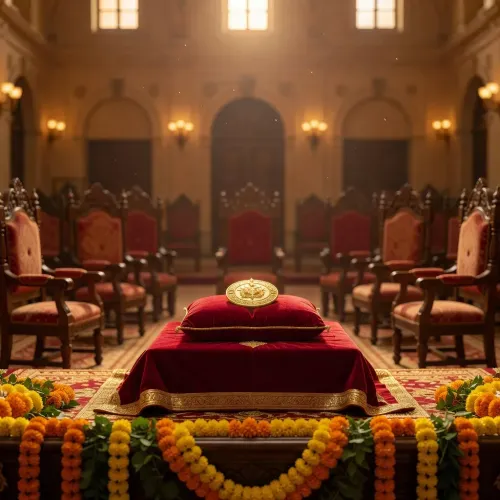
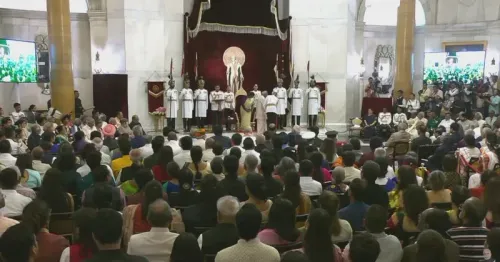
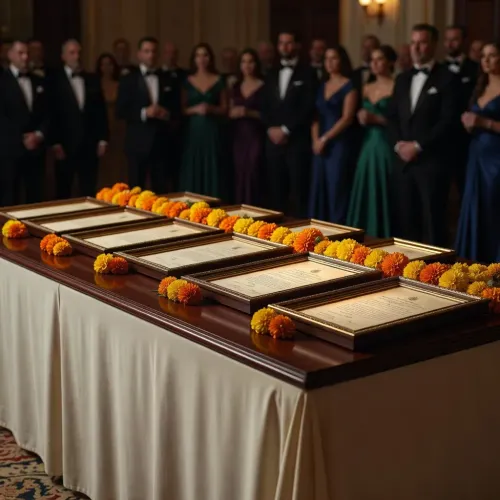
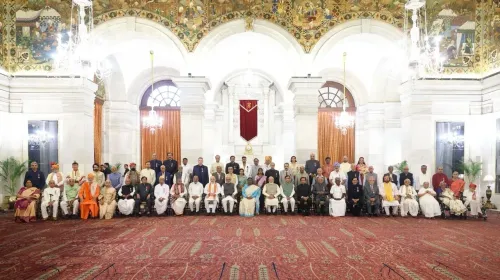
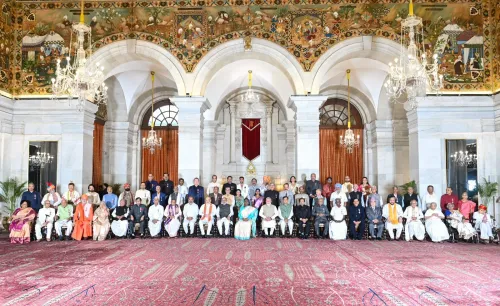
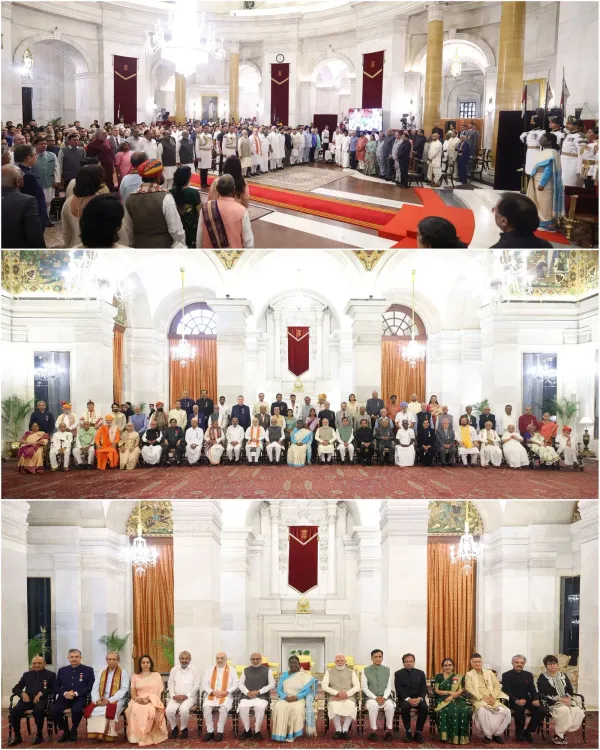
The President of India conferred the honours at Rashtrapati Bhavan during the formal investiture ceremony.
Irani credited PM Narendra Modi 's leadership for 'democratising' the awards and shifting focus to grassroots heroes.
The Padma Awards — Padma Vibhushan, Padma Bhushan, and Padma Shri — were instituted in 1954 and are India's highest civilian honours.
The current administration has emphasised wider geographic and occupational representation among awardees since 2014 .
The next Padma Awards list is customarily announced on the eve of Republic Day .
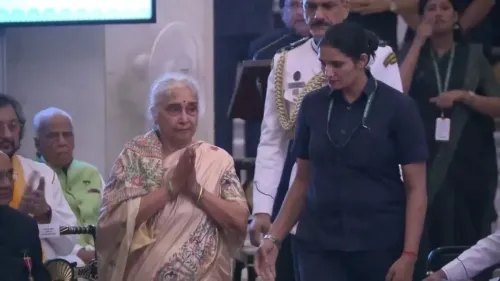
BJP leader Smriti Irani congratulated the recipients of the Padma Awards on Monday, 25 May 2026, as President of India conferred the honours at Rashtrapati Bhavan, praising the Modi government's push to spotlight unsung changemakers across the country.
Context
Irani, a senior BJP leader and former Union Minister, took to X to extend her congratulations, writing that the awards have 'truly been democratised' under Prime Minister Narendra Modi, 'shifting the spotlight to grassroots heroes whose quiet dedication, selfless service, and transformative work are changing lives and strengthening the social fabric of our nation.' The investiture ceremony at Rashtrapati Bhavan marked the formal conferral of India's highest civilian honours for the year.
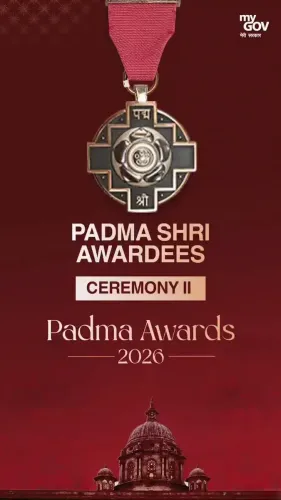
The Padma Awards — comprising Padma Vibhushan, Padma Bhushan, and Padma Shri — were instituted in 1954 and are announced annually on the eve of Republic Day, with the investiture ceremony held subsequently at the President's official residence.
Policy Backdrop
Since 2014, the central government has repeatedly emphasised broader geographic and occupational representation in the Padma selection process, with official statements stressing recognition of recipients from rural, tribal, and under-represented communities alongside established public figures.
This shift has seen weavers, folk artists, social workers, and community health practitioners feature more prominently among awardees — a trend the current administration has described as a deliberate move to decentralise recognition of national service. Irani's post echoes this official framing, underlining 'grassroots heroes' as the defining character of the awards under PM Modi.
Stakeholders and Impact
The primary beneficiaries of the expanded selection criteria are social workers, grassroots innovators, and community leaders who may lack the national media profile of traditional awardees. For such individuals, a Padma honour can translate into greater institutional support, funding access, and visibility for their work.
Civil society observers have noted that widening the pool of nominees — which now includes nominations from state governments, central ministries, and the public — has made the process more participatory, even as debates persist about the transparency of final selection decisions.
What's Next
The next Padma Awards list will customarily be announced on the eve of Republic Day, with the investiture ceremony to follow at Rashtrapati Bhavan. The composition of future lists will be closely watched as an indicator of whether the administration's stated commitment to grassroots representation continues to shape selection priorities. Any further procedural reforms to the nomination and vetting process are also likely to draw scrutiny from civil society and political observers alike.
Point of View
' she reinforces a BJP brand identity centred on reaching beyond elite institutions to ordinary citizens. The congratulatory post also serves as soft political signalling ahead of future award cycles, keeping the party's messaging on inclusive governance active in public discourse. For a leader currently outside the Union Cabinet, such engagements help maintain a visible policy presence on national platforms.
NationPress
11 Oct 2026
Frequently Asked Questions
What are the Padma Awards in India?
The Padma Awards are India's highest civilian honours, comprising Padma Vibhushan, Padma Bhushan, and Padma Shri, instituted in 1954 to recognise distinguished service across various fields including arts, science, public affairs, and social work.
When are the Padma Awards announced each year?
The Padma Awards list is customarily announced on the eve of Republic Day, 26 January, each year, with the formal investiture ceremony held subsequently at Rashtrapati Bhavan.
What did Smriti Irani say about the Padma Awards 2026?
Smriti Irani congratulated all awardees and said the Padma Awards have been 'truly democratised' under PM Modi, shifting recognition to grassroots heroes known for selfless service and transformative community work.
Who confers the Padma Awards in India?
The Padma Awards are conferred by the President of India at a formal investiture ceremony held at Rashtrapati Bhavan, the President's official residence in New Delhi.
How has the Padma Awards selection changed under PM Modi?
Under the Modi government since 2014, official statements have stressed broader geographic and occupational representation, with greater recognition given to rural workers, folk artists, tribal leaders, and community health practitioners alongside established public figures.