Smriti Irani: Constitution is nation's collective conscience
Synopsis
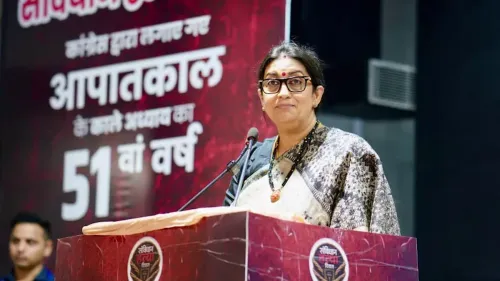
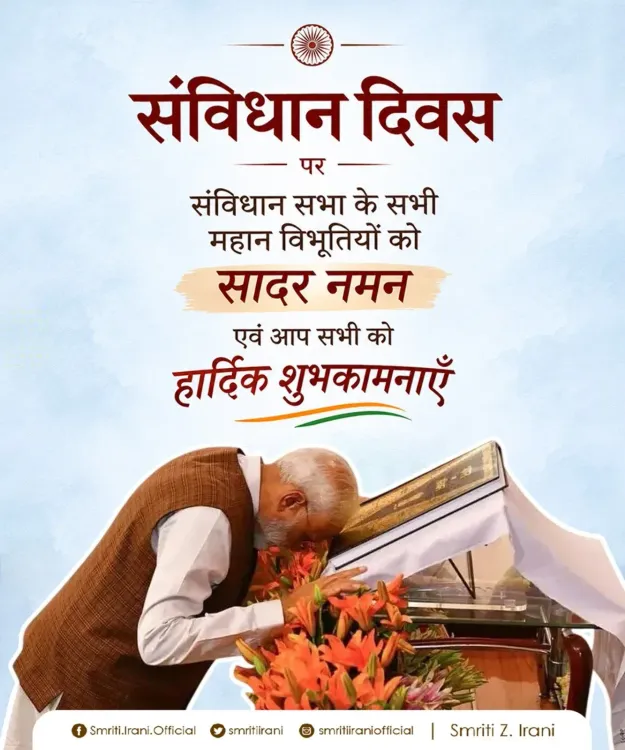
BJP leader Smriti Irani marked Constitution Day by calling the Constitution the foundation of India's collective consciousness and democratic faith. She said it bound a diverse nation in a shared resolve, and that protecting its dignity is every citizen's duty. She also paid tribute to the Constituent Assembly.
Key Takeaways
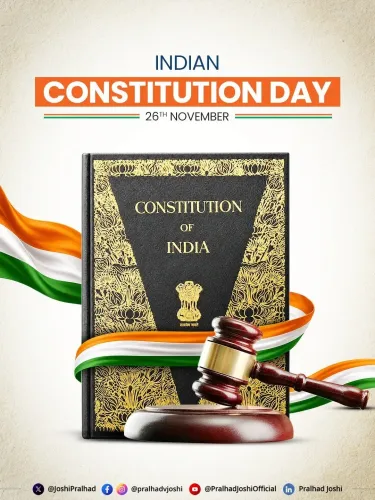
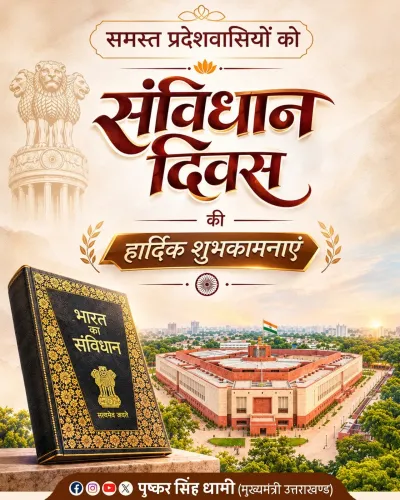
BJP leader Smriti Irani marked Constitution Day on 26 November by calling the Constitution the foundation of India's collective consciousness, democratic faith and future direction.
She said the Constitution has bound a diverse India in a shared resolve.
Preserving the document's dignity and original spirit, she argued, is the duty of every citizen, not institutions alone.
She offered salutations to all great luminaries of the Constituent Assembly and wishes to the public.
The Assembly adopted the Constitution on 26 November 1949 ; it took effect on 26 January 1950 .
In 2015 the Government of India declared 26 November as Constitution Day.
BJP leader Smriti Irani, the former Union Minister of Women and Child Development and Minority Affairs, used Constitution Day on 26 November to recast India's founding charter as more than a statute book. She called it the foundation of the nation's collective consciousness, democratic faith and the direction of its future.
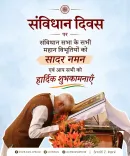
In a Hindi message on X, she wrote that the Constitution is not merely the legal structure of the nation. She named it the basis of its samuhik chetna (collective consciousness), democratic faith and future path. Our Constitution, she added, has bound a diversity-filled India in a shared resolve.
Keeping its dignity and original spirit intact, she argued, is not the duty of institutions alone. It is the duty of every citizen. On Constitution Day she offered respectful salutations to all the great luminaries of the Constituent Assembly and heartfelt wishes to the public.
How 26 November became Constitution Day
The Constituent Assembly adopted the Constitution of India on 26 November 1949. The text became the supreme law on 26 January 1950, the date India marks as Republic Day. In 2015, the Government of India designated 26 November as Constitution Day to spread awareness of constitutional values.
That choice turned a drafting anniversary into a yearly public reminder. Senior political leaders now issue messages that stress how the charter binds a diverse country under one democratic framework. Irani's post sits in that annual pattern.
A shared resolve, not only a statute
Her core claim is civic, not legalistic. She presented the Constitution as a living compact: a sajha sankalp (shared resolve) that holds India's many identities together. If the dignity and original spirit of the document fray, institutions cannot hold the line by themselves.
That is why she placed the burden on every citizen. The people who live under the text, in her telling, share the watch with courts and legislatures.
Naman to the Constituent Assembly
The drafting years ran from 1946 to 1949. Irani did not name individuals. She bowed to the Assembly's great luminaries as a group, keeping the tribute institutional rather than personal.
Annual Constitution Day observances, and any related drives on constitutional literacy, will show whether such messages move beyond ritual. The charter she praised still asks the question it posed in 1949: who will keep its spirit intact.
Point of View
Since 2015, become a yearly restatement of the 1949 compact as a civic rather than partisan possession. Irani's stress on citizen duty alongside institutions fits that literacy drive: the text survives only if the public treats it as a shared resolve, not a courtroom relic. The salute to the Constituent Assembly as a body, without naming factions, keeps the frame national. The test is whether 26 November remains a greeting cycle or feeds actual constitutional education.
NationPress
26 Nov 2026
Frequently Asked Questions
When is Constitution Day observed in India?
Constitution Day is observed every year on 26 November. That is the date in 1949 when the Constituent Assembly adopted the Constitution of India, which came into force on 26 January 1950.
What did Smriti Irani say on Constitution Day?
BJP leader Smriti Irani said the Constitution is not merely India's legal structure but the foundation of its collective consciousness, democratic faith and future direction. She added that protecting its dignity is every citizen's duty, not only that of institutions, and paid tribute to the Constituent Assembly.
Why is 26 November observed as Constitution Day?
The Constituent Assembly adopted the Constitution on 26 November 1949. In 2015 the Government of India declared that date as Constitution Day to promote awareness of constitutional values.
Who were the Constituent Assembly luminaries Smriti Irani mentioned?
She did not name individuals. The Constituent Assembly drafted the Constitution of India between 1946 and 1949, and she offered respectful salutations to all its great luminaries as a group.
When did the Constitution of India come into effect?
The Constitution came into effect on 26 January 1950, which India celebrates as Republic Day. It had been adopted earlier, on 26 November 1949.