Sonowal: 3 Indian tankers transit Hormuz safely
Synopsis
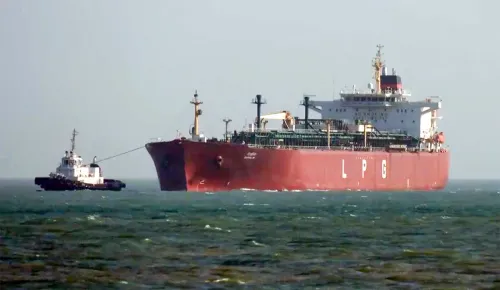
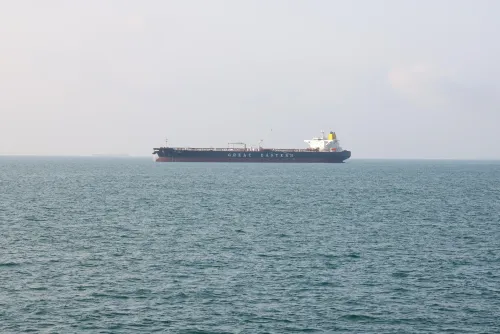
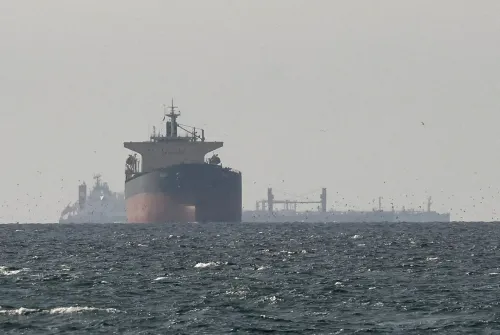
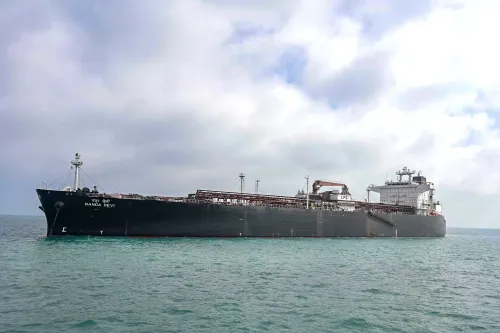
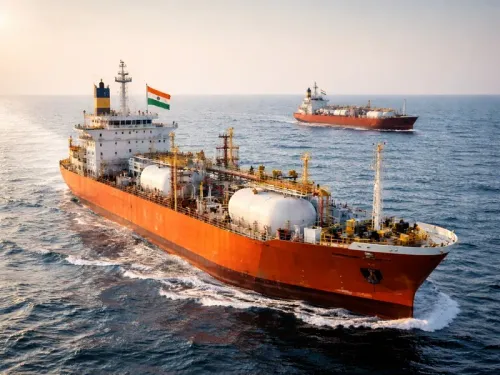
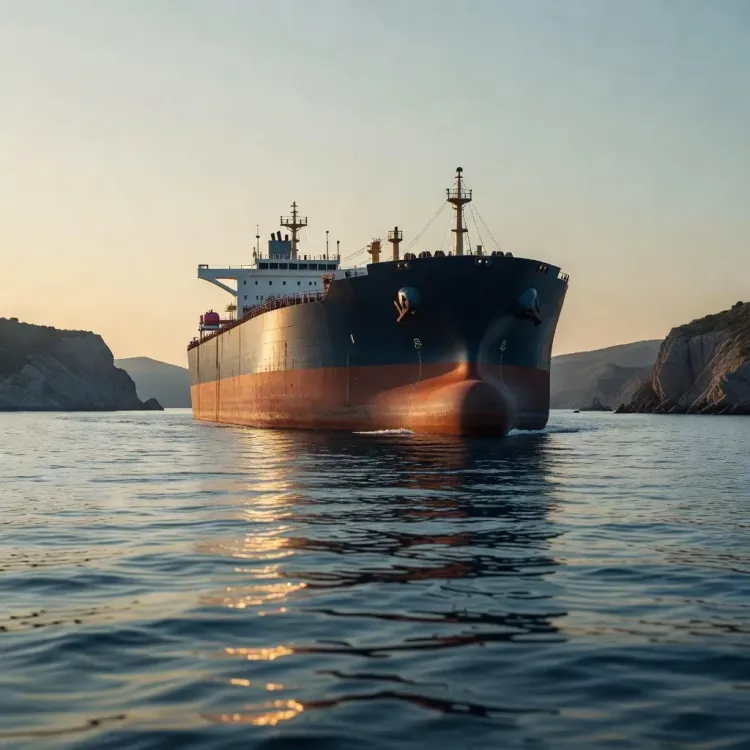
Union Minister Sarbananda Sonowal announced on 20 June 2026 that three Indian-flagged tankers — Desh Vaibhav, Desh Vibhor and Sanmar Herald — carrying over 8.6 lakh MT of crude oil and 94 Indian crew members have safely transited the Strait of Hormuz and are headed to India.
Key Takeaways
Three Indian-flagged crude oil tankers — Desh Vaibhav , Desh Vibhor , and Sanmar Herald — successfully transited the Strait of Hormuz on 20 June 2026 .
The vessels carried over 8.6 lakh metric tonnes of crude oil cargo combined.
A total of 94 Indian crew members were on board the three ships.
Union Minister Sarbananda Sonowal confirmed the safe passage and said the ships are now en route to India.
The Ministry of Ports, Shipping and Waterways is coordinating with all relevant agencies to protect Indian seafarers and energy supply lines.
The announcement aligns with India's SAGAR maritime security vision and the government's established pattern of inter-agency response during Gulf tensions.
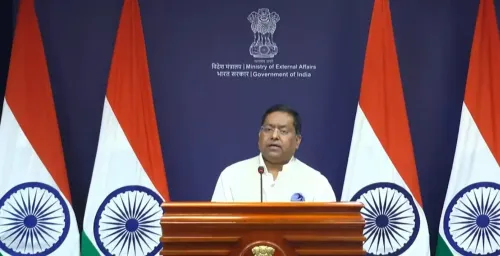
Union Minister of Ports, Shipping and Waterways Sarbananda Sonowal announced on Saturday, 20 June 2026 that three Indian-flagged crude oil tankers have successfully transited the Strait of Hormuz and are now en route to India, with the government actively coordinating to protect seafarers and energy supply lines.
What happened
The three vessels — Desh Vaibhav, Desh Vibhor, and Sanmar Herald — collectively carried over 8.6 lakh metric tonnes of crude oil cargo and had 94 Indian crew members on board. Sonowal confirmed their safe passage in a post on X, describing it as 'safe passage secured' and noting that the ships are now heading back to Indian ports.
The minister credited the transit's success to 'the decisive leadership' of Prime Minister Narendra Modi, adding that the Government of India is working 'on highest priority' to secure the country's maritime interests. The Ministry of Ports, Shipping and Waterways is actively coordinating with all relevant agencies, he said.
Context
The Strait of Hormuz, which connects the Persian Gulf to the Gulf of Oman, is one of the world's most critical maritime chokepoints. A substantial share of global crude oil shipments passes through this narrow passage, making it of acute strategic importance to energy-importing nations like India.
India imports the bulk of its crude oil from West Asia, and safe transit through the Strait of Hormuz has been a recurring strategic priority for successive governments. Periods of regional tension in the Gulf have repeatedly prompted inter-agency responses and public assurances from New Delhi on the protection of Indian vessels and crew.
Policy backdrop
India's maritime security posture is anchored in the SAGAR (Security and Growth for All in the Region) vision articulated by Prime Minister Modi in 2015, which emphasises cooperative maritime security and protection of sea lines of communication across the Indian Ocean Region.
Following tanker incidents near the Gulf of Oman in 2019, India deployed naval assets to safeguard energy supply routes, establishing a precedent for proactive inter-agency coordination during periods of heightened risk. The current announcement follows that established pattern of government response.
The Ministry of Ports, Shipping and Waterways serves as the nodal body for shipping regulations and seafarer safety coordination, working alongside the Ministry of External Affairs and the Indian Navy when merchant traffic faces elevated risk in international waters.
Stakeholders and impact
The safe passage directly protects 94 Indian seafarers aboard the three vessels, as well as the energy security interests of crude oil importers and refiners who depend on uninterrupted West Asian supply chains. Disruptions at the Strait of Hormuz carry the potential to affect fuel prices and industrial supply chains across India.
Indian seafarers working on merchant vessels in the Gulf region have historically been among the most exposed communities during episodes of regional tension, making government-level coordination and public communication a sensitive and closely watched matter.
What's next
The ministry is expected to continue monitoring vessel movements through the region. Subsequent updates on additional Indian-flagged ships, coordination with the Indian Navy and the Ministry of External Affairs, and any parliamentary queries on maritime security measures are likely to follow as the situation in the Gulf evolves.
Point of View
Energy importers, and the broader public — that the government is actively managing risks in a volatile Gulf corridor. By foregrounding Prime Minister Modi's leadership, the statement also serves the BJP's established narrative of decisive foreign and maritime policy. The timing and specificity of the post, naming all three vessels and citing exact crew numbers, signals an inter-agency information-sharing mechanism functioning in near real-time. Placed within India's SAGAR framework, it underscores how maritime security has evolved from a niche strategic concern into a frontline political messaging priority.
NationPress
20 Jun 2026
Frequently Asked Questions
Which Indian tankers safely crossed the Strait of Hormuz in June 2026?
The three Indian-flagged tankers that safely transited the Strait of Hormuz on 20 June 2026 are Desh Vaibhav, Desh Vibhor, and Sanmar Herald.
How much crude oil did the Indian tankers carry through the Strait of Hormuz?
The three vessels collectively carried over 8.6 lakh metric tonnes of crude oil cargo.
How many Indian crew members were on the tankers that crossed the Strait of Hormuz?
A total of 94 Indian crew members were aboard the three tankers during the transit.
Why is the Strait of Hormuz important for India?
The Strait of Hormuz is a critical chokepoint for global crude oil shipments. India imports the bulk of its crude oil from West Asia, making safe passage through the strait essential for the country's energy security.
What is India's SAGAR vision and how does it relate to maritime safety?
SAGAR stands for Security and Growth for All in the Region and was articulated by Prime Minister Modi in 2015. It frames India's approach to cooperative maritime security, including the protection of sea lines of communication and Indian seafarers in the Indian Ocean Region and beyond.