Sonowal meets Sejin Heavy Industries CEO in Busan for shipbuilding tie-up
Synopsis
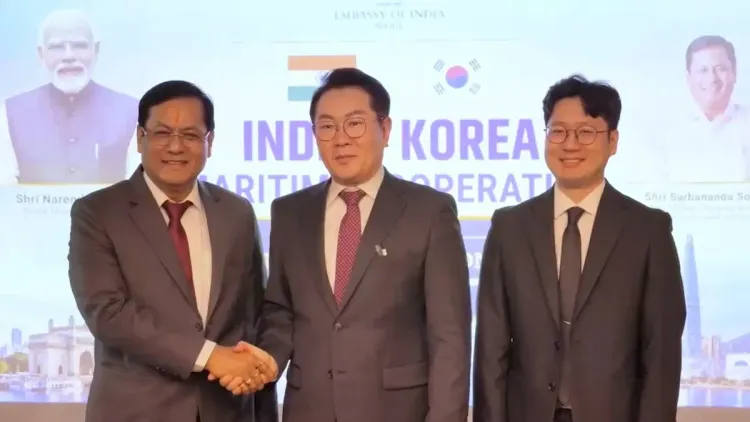
Union Minister Sarbananda Sonowal met Sejin Heavy Industries CEO Kim Jin-jong in Busan to explore India-Korea partnerships in shipbuilding, LNG/LPG tanks and marine equipment, inviting the Korean firm into India's shipbuilding ecosystem under the Make in India push.
Key Takeaways
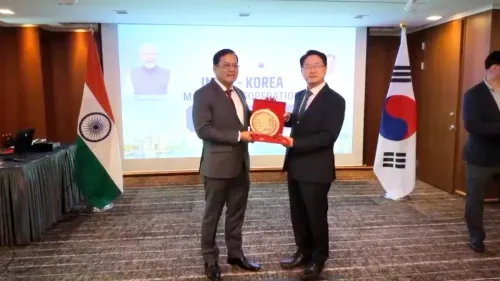
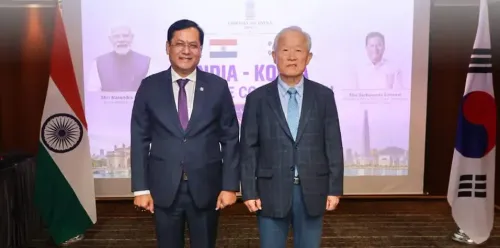
Sarbananda Sonowal held a meeting with Sejin Heavy Industries CEO Kim Jin-jong in Busan, South Korea on October 27, 2026 .
Discussions covered LPG/LNG cargo tanks, block fabrication, and marine equipment manufacturing — high-technology segments India currently imports.
Sonowal formally invited Sejin to explore opportunities in India's shipbuilding ecosystem , signalling intent for deeper industrial engagement.
India holds less than 1 percent of global shipbuilding tonnage, making technology partnerships with nations like South Korea strategically critical.
The meeting aligns with the Sagarmala Project (2015) and the Make in India initiative's push to build domestic maritime manufacturing capacity.
No MoU or confirmed agreement has been announced; follow-up site visits by Sejin to Indian shipyards are the next indicator to watch.
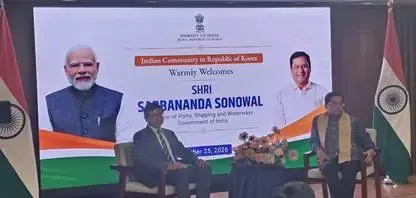
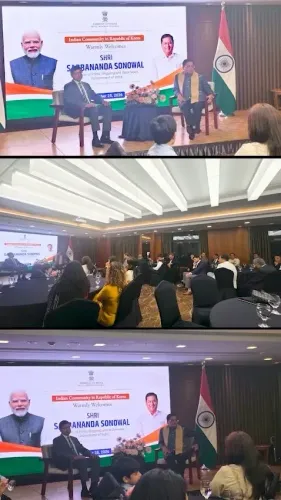
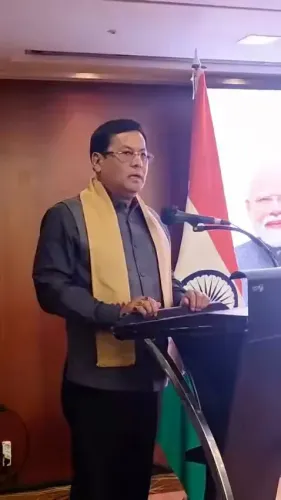
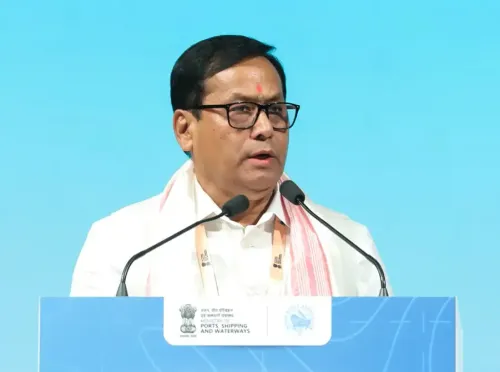
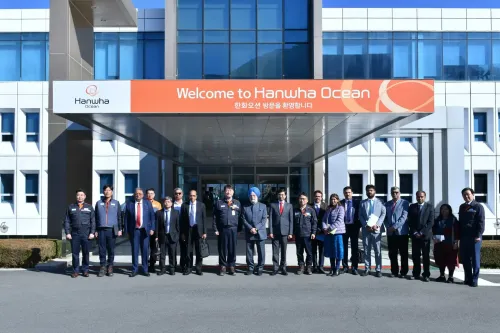
In the South Korean port city of Busan, Union Minister of Ports, Shipping and Waterways Sarbananda Sonowal sat down with Sejin Heavy Industries CEO Mr. Kim Jin-jong on Tuesday, October 27, 2026 — a meeting that puts Korea's world-class shipbuilding muscle squarely in India's sights.
What was on the table in Busan
The two sides explored partnership opportunities across LPG/LNG cargo tanks, block fabrication, and marine equipment manufacturing — precisely the high-technology segments where Indian shipyards have historically lagged behind global peers. Sonowal extended a formal invitation to Sejin to explore India's 'growing shipbuilding ecosystem', signalling that the conversation was more than courtesy.
Sejin Heavy Industries is a South Korean firm with established capabilities in heavy engineering and marine equipment — exactly the kind of technological partner India needs as it attempts to move the needle on its domestic shipbuilding share.
Why India's sub-1% global tonnage share makes this matter
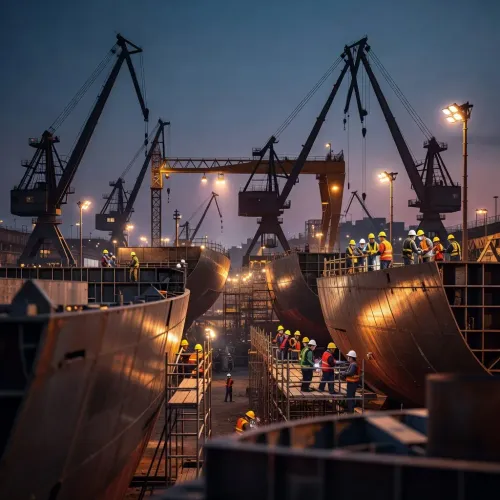
India currently accounts for less than 1 percent of global shipbuilding tonnage — a figure that has long embarrassed a country with over 7,500 kilometres of coastline and ambitions to become a serious maritime power. South Korea, by contrast, is one of the world's top three shipbuilding nations, with deep expertise in LNG carriers and the kind of modular block fabrication techniques that can dramatically cut construction timelines.
Closing that gap is precisely the logic behind the Sagarmala Project, launched in 2015, which targets port modernisation and the revival of domestic shipbuilding. The India–South Korea Comprehensive Economic Partnership Agreement, signed back in 2010, provides the trade and investment framework within which a deal like this would sit.
Make in India's maritime bet
The Busan meeting is part of a deliberate pattern: India has been courting established shipbuilding nations — Japan, South Korea, Greece — to bring technology and capital into Indian yards under the Make in India initiative. LPG and LNG cargo tanks are particularly strategic; as India expands its gas infrastructure onshore, the ability to build the vessels that carry the fuel domestically would reduce both import dependency and foreign-exchange outflow.
No MoU or binding agreement has been publicly confirmed from the meeting. What Sonowal's invitation does is keep the door open for site visits by Sejin to Indian shipyards — the logical next step that will determine whether this dialogue graduates into steel on the ground.
The real test now is whether Sejin sends a delegation to Indian yards — because in shipbuilding diplomacy, the factory floor visit is where intentions become investments.
Point of View
Building the vessels that supply it domestically becomes both an industrial and an energy-security priority. The meeting also signals that the Modi government views the India-Korea CEPA not merely as a trade document but as a live platform for sectoral manufacturing collaboration. Whether this translates into FDI or technology transfer agreements will be a key benchmark for the maritime component of Make in India heading into the next budget cycle.
NationPress
27 Oct 2026
Frequently Asked Questions
What did Sarbananda Sonowal discuss with Sejin Heavy Industries in Busan?
Sonowal met Sejin Heavy Industries CEO Kim Jin-jong in Busan on October 27, 2026 to explore India-Korea partnerships in shipbuilding, LPG/LNG cargo tank manufacturing, block fabrication and marine equipment. He invited Sejin to explore opportunities in India's shipbuilding sector.
What is Sejin Heavy Industries?
Sejin Heavy Industries is a South Korean company with expertise in shipbuilding, heavy engineering and marine equipment manufacturing, making it a potential technology and investment partner for Indian shipyards.
Why is India seeking South Korean shipbuilding partnerships?
India accounts for less than 1 percent of global shipbuilding tonnage despite its long coastline. South Korea is one of the world's top shipbuilding nations, particularly in LNG carriers and block fabrication, offering technology India needs to scale up domestic production.
What is the Sagarmala Project and how does it relate to this meeting?
The Sagarmala Project, launched in 2015, aims to modernise Indian ports and promote domestic shipbuilding and coastal shipping. Sonowal's outreach to Sejin fits directly within this policy framework to attract foreign technology and investment into Indian yards.
Was any agreement signed between India and Sejin Heavy Industries in Busan?
No MoU or formal agreement has been publicly confirmed from the October 2026 Busan meeting. The next step to watch is whether Sejin conducts site visits to Indian shipyards, which would indicate the talks are progressing toward concrete investment.