Sonowal mourns Indian seafarers killed in MV Golden Leo missile attack
Synopsis
Union Minister Sarbananda Sonowal on 21 July 2026 mourned the deaths of four Indian seafarers killed in a missile attack on merchant vessel MV Golden Leo departing Odesa, Ukraine. India condemned the attack, with its Mission in Ukraine and maritime agencies extending priority assistance to the next of kin.
Key Takeaways
Four Indian seafarers were killed in a missile attack on merchant vessel MV Golden Leo departing Odesa, Ukraine .
At least one Indian sailor was injured and is currently hospitalised; the government has prayed for his full recovery.
Union Minister Sarbananda Sonowal issued the condolence statement on 21 July 2026 , pledging government support to bereaved families.
India's Mission in Ukraine , the DGMA , and the RPSL are jointly monitoring the situation and assisting next of kin on a priority basis.
India formally condemned the attack, calling it an endangerment to 'innocent civilian crew members' and an impediment to freedom of navigation and commerce.
The incident underscores the vulnerability of Indian maritime workers , one of the largest seafaring nationalities globally, in conflict-affected waters.
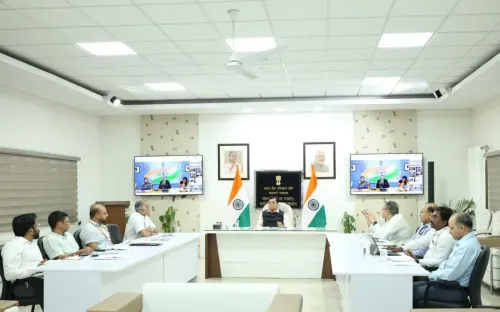
Union Minister of Ports, Shipping and Waterways Sarbananda Sonowal on Tuesday, 21 July 2026, expressed deep anguish over the deaths of four Indian seafarers following a missile attack on merchant vessel MV Golden Leo as it departed Odesa, Ukraine, and said the government was closely monitoring the situation and extending all assistance to the families of those affected.
What happened
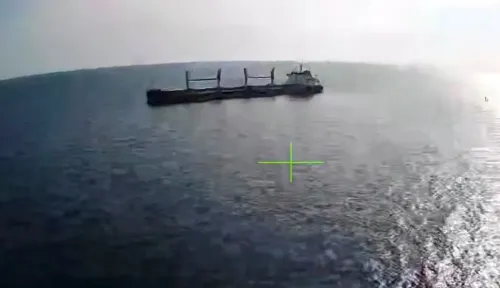
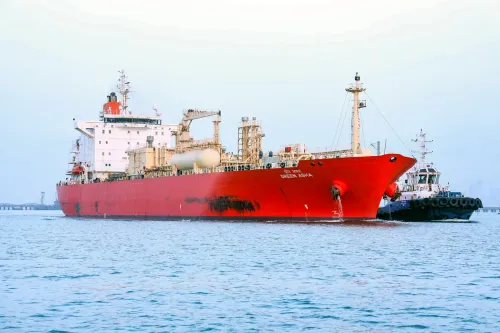
The merchant vessel MV Golden Leo was struck in a missile attack while departing the Black Sea port of Odesa. The attack claimed the lives of four Indian crew members and left at least one Indian sailor hospitalised with injuries. Sonowal described the losses as a 'tragic' blow and conveyed prayers for the swift and full recovery of the injured sailor.
In his post, the minister stated: 'India strongly condemns such attacks that endanger innocent civilian crew members and impede the freedom of navigation and commerce.' The statement marks one of the strongest public condemnations by an Indian cabinet minister over a specific maritime attack in the ongoing Ukraine conflict.
Context
The Black Sea has remained a high-risk zone for commercial shipping since Russia's full-scale invasion of Ukraine in February 2022. Odesa, Ukraine's principal commercial port, has been a focal point of attacks targeting grain and cargo vessels, repeatedly disrupting international trade routes and endangering civilian crews.
Indian nationals constitute one of the largest seafaring workforces in the world and are routinely employed aboard vessels operating in conflict-affected waters, making the safety of merchant mariners a recurring concern for New Delhi. India had previously launched Operation Ganga in 2022 to evacuate its citizens from Ukraine following the escalation of hostilities.
Policy backdrop
India has consistently advocated for the protection of freedom of navigation and the safety of commercial shipping at multilateral forums, including the United Nations and the International Maritime Organisation (IMO), since the conflict began. The government's position has sought to balance humanitarian concern for its nationals with its broader posture of strategic autonomy — avoiding direct alignment with either party to the conflict.
Sonowal confirmed that India's Mission in Ukraine, working alongside the Directorate General of Merchant Shipping (DGMA) and the Recruiting and Placement Service of Seafarers (RPSL), is conducting necessary verifications and ensuring assistance is extended to the next of kin 'on priority basis.' The involvement of these agencies signals a coordinated governmental response spanning diplomatic and regulatory channels.
Stakeholders and impact
The bereaved families of the four deceased Indian seafarers are the most immediate stakeholders, with the government pledging priority outreach through its diplomatic mission. The injured sailor, currently hospitalised, is also under the watch of Indian authorities in Ukraine.
The broader Indian maritime industry — which supplies a significant share of the global seafaring workforce — faces renewed concern over crew safety in conflict zones. Shipping companies, manning agencies, and maritime unions are likely to seek clearer government guidance on risk protocols for vessels operating in or near active conflict areas.
What's next
The Ministry of External Affairs and India's diplomatic mission in Kyiv are expected to issue further updates on assistance to the next of kin and the status of the hospitalised sailor. The incident may prompt fresh calls in Parliament for stronger protections and insurance frameworks for Indian seafarers deployed in high-risk zones.
At the multilateral level, India may raise the attack in forums such as the IMO or the UN Security Council as part of its longstanding advocacy for the safety of civilian shipping and unimpeded freedom of navigation on international waters.
Point of View
' India is signalling a firm position on the safety of civilian shipping without departing from its broader posture of strategic autonomy in the Russia-Ukraine conflict. The deployment of both diplomatic (Mission in Ukraine) and regulatory (DGMA, RPSL) machinery in a coordinated response reflects institutional maturity in handling maritime crises involving Indian nationals abroad. The incident arrives at a moment when India's global maritime ambitions — anchored in the Sagarmala programme and expanding port infrastructure — make the safety of its seafaring workforce a matter of direct economic and strategic interest. How New Delhi follows up at the IMO and the UN will be a test of whether this condemnation translates into sustained multilateral advocacy.
NationPress
21 Jul 2026
Frequently Asked Questions
What happened to MV Golden Leo near Odesa?
Merchant vessel MV Golden Leo was struck in a missile attack while departing the port of Odesa, Ukraine , resulting in the deaths of four Indian seafarers and the hospitalisation of at least one other.
Who is Sarbananda Sonowal and why did he comment on this?
Sarbananda Sonowal is India's Union Minister of Ports, Shipping and Waterways and a senior BJP leader. As the cabinet minister responsible for maritime affairs, he issued the government's condolence and response statement regarding the attack on Indian crew members.
What is India doing to help the families of the killed seafarers?
India's Mission in Ukraine , working with the Directorate General of Merchant Shipping (DGMA) and the Recruiting and Placement Service of Seafarers (RPSL) , is conducting verifications and extending assistance to the next of kin on a priority basis.
Has India condemned the missile attack on MV Golden Leo?
Yes. Minister Sonowal stated that 'India strongly condemns such attacks that endanger innocent civilian crew members and impede the freedom of navigation and commerce,' marking a clear public condemnation.
Why are Indian seafarers working in conflict zones like Ukraine?
Indian nationals form one of the largest seafaring workforces in the world and are employed on merchant vessels across global trade routes, including those passing through or near conflict-affected areas such as the Black Sea .