Sonowal amplifies Karan Singh's column on Modi's 12-year PM run
Synopsis
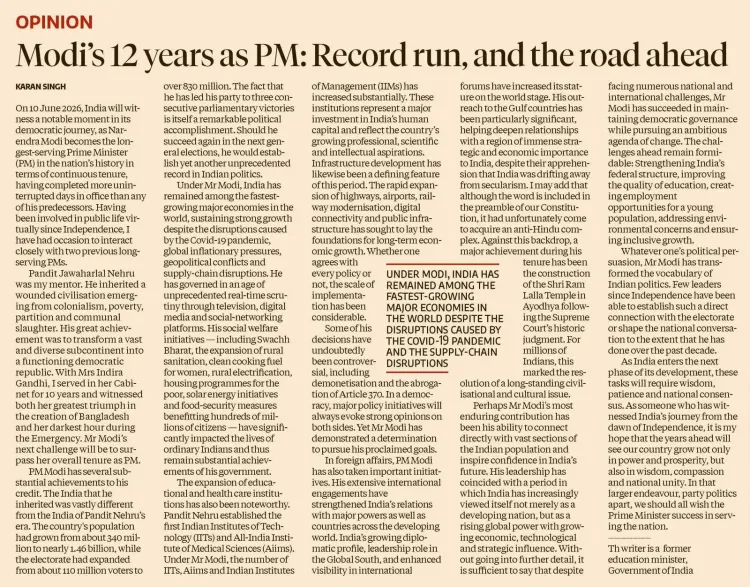
Union Minister Sarbananda Sonowal on 10 June 2026 shared a column by veteran leader Karan Singh reviewing PM Modi's twelve-year tenure, highlighting India's economic resilience and rising global stature, framing the milestone as a cross-partisan acknowledgement of the Prime Minister's record.
Key Takeaways
Union Minister Sarbananda Sonowal shared a column by Karan Singh on 10 June 2026 assessing PM Modi 's twelve-year tenure.
Karan Singh is a veteran Congress-era leader and former Union Minister, lending the piece cross-party visibility.
Narendra Modi first assumed office on 26 May 2014 and is among India's longest-serving elected Prime Ministers.
The post uses the hashtag #LongestServingElectedPMModi , reflecting the BJP's active framing of the milestone.
Senior ministers amplifying such content is part of a broader pattern of coordinated messaging ahead of the 2029 election cycle.
The column's emphasis on 'economic resilience' and 'global stature' aligns with the government's stated governance priorities.
Union Ports and Shipping Minister Sarbananda Sonowal on Wednesday, 10 June 2026 shared a column by veteran leader and former Union Minister Karan Singh that examines Prime Minister Narendra Modi's twelve-year tenure, calling it a 'comprehensive look' at India's economic resilience and rising global stature.
Context
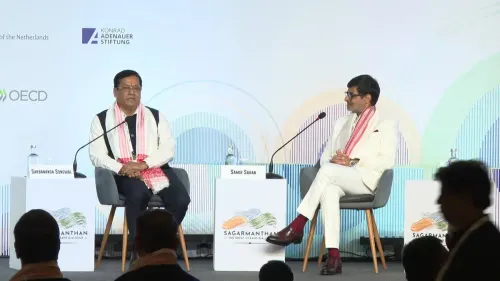
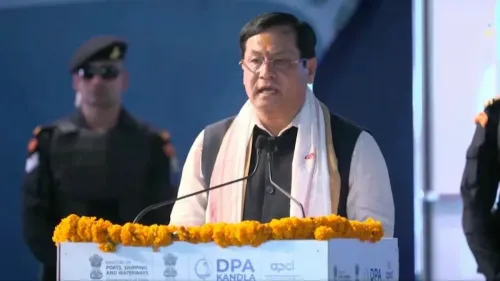
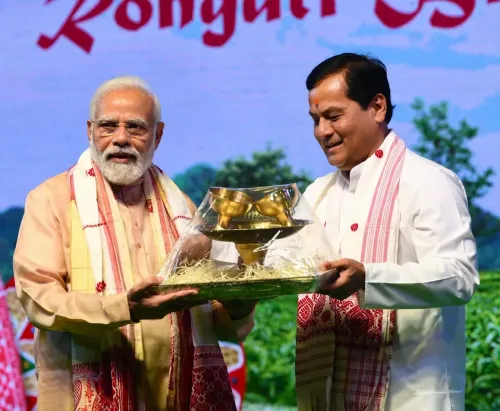
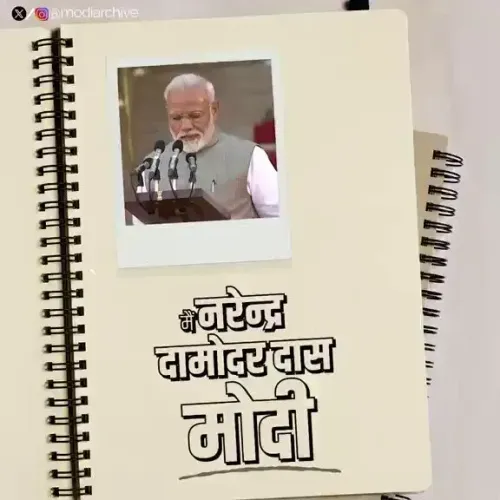
Sonowal, a senior BJP leader and former Chief Minister of Assam, described the piece as highlighting PM Modi's 'historic 12-year milestone' and urged followers to read it, tagging it with the hashtag #LongestServingElectedPMModi. The post was accompanied by an image and shared from his verified account on X.
The column is authored by Karan Singh, a veteran Congress-era leader and former Union Minister known for cross-party commentary on national affairs. His willingness to write approvingly about a BJP Prime Minister's record lends the piece a degree of cross-partisan visibility that the ruling party's communication apparatus has occasionally leveraged.
Policy Backdrop
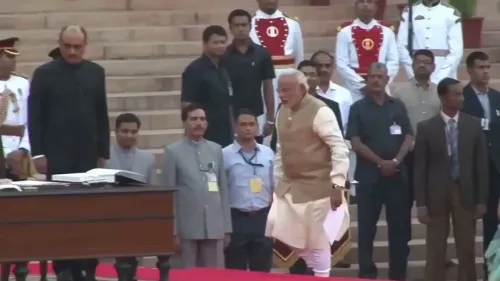
Narendra Modi was first sworn in as Prime Minister on 26 May 2014 after the BJP-led NDA secured a parliamentary majority. He became the first non-Congress Prime Minister to return to power after completing a full term when he was re-elected in May 2019, and subsequently secured a third term.
The twelve-year mark places Modi among the longest-serving elected Prime Ministers in India's post-independence history, a milestone that the BJP has been systematically documenting through governance reviews, economic data, and international positioning narratives in the lead-up to the 2029 general election cycle.
Stakeholders and Impact
Senior ministers amplifying opinion content on the Prime Minister's tenure is part of a broader pattern of coordinated messaging around leadership milestones. By sharing a piece written by a figure associated with the Congress tradition, the post implicitly frames Modi's record as one that transcends partisan lines.
Political commentators and the business community — identified as the primary audiences for such milestone assessments — are likely to note the cross-party authorship as a signal of the column's perceived credibility. The emphasis on 'economic resilience' and 'global stature' aligns with the government's stated priorities on macroeconomic stability and multilateral engagement.
What's Next
With the 2029 general election cycle on the horizon, BJP leaders are expected to continue amplifying assessments of the party's decade-plus governance record. Parliamentary sessions and party events marking further tenure milestones are likely to serve as additional platforms for such messaging.
The broader question for political observers is whether cross-partisan validation from figures like Karan Singh will become a recurring feature of the BJP's communication strategy as it builds its long-term electoral narrative around PM Modi's leadership legacy.
Point of View
The party is clearly building an archival narrative of governance outcomes designed to anchor the 2029 electoral pitch. The framing of 'economic resilience' and 'global stature' as the twin pillars of this legacy reflects the BJP's consistent messaging on macroeconomic management and India's elevated international profile. The use of the hashtag #LongestServingElectedPMModi signals that this is not incidental sharing but part of an organised, top-down communications push.
NationPress
26 Oct 2026
Frequently Asked Questions
Why did Sarbananda Sonowal share Karan Singh's column on Modi?
Sonowal shared the column to amplify an assessment of PM Modi's twelve-year tenure that highlights India's economic resilience and rising global stature, calling it a 'comprehensive look' at the Prime Minister's historic milestone.
Who is Karan Singh and why is his column significant?
Karan Singh is a veteran Congress-era leader and former Union Minister. His column on PM Modi's tenure is notable because it represents a cross-partisan perspective, with a figure from outside the BJP writing approvingly about the Prime Minister's record.
How long has Narendra Modi been Prime Minister of India?
Narendra Modi has been Prime Minister of India since 26 May 2014, completing twelve years in office by 2026 across three consecutive terms.
What does #LongestServingElectedPMModi mean?
The hashtag refers to the claim that Narendra Modi is the longest-serving elected Prime Minister in India's post-independence history, a milestone the BJP has been actively highlighting through social media campaigns.
What is the BJP's communication strategy around Modi's 12-year tenure?
Senior BJP ministers and allied voices have been systematically sharing governance reviews, economic data, and international positioning narratives to document the party's record since 2014, building an electoral narrative ahead of the 2029 general election cycle.