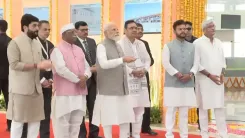
Sonowal unveils first Made-in-India EXIM container for Maersk
Synopsis
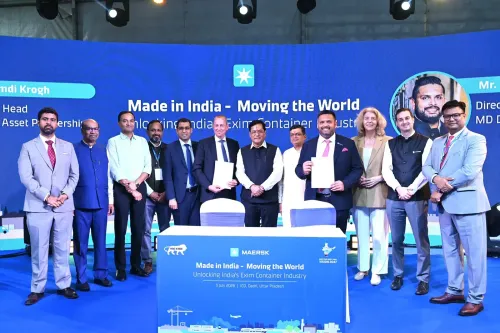
Union Ports Minister Sarbananda Sonowal unveiled India's first Made-in-India EXIM-grade container for Maersk on 4 July 2026, marking a milestone in the country's push to localise shipping hardware under the Make in India initiative and reduce import dependence.
Key Takeaways
India's first Made-in-India EXIM-grade container for Maersk was unveiled on 4 July 2026 .
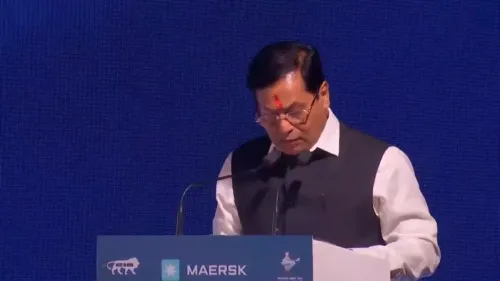
Union Minister Sarbananda Sonowal shared highlights of the event, underscoring the government's Atmanirbhar maritime agenda.
Maersk , one of the world's largest container shipping operators, is the first global line to receive a domestically manufactured EXIM container from India.
The development is anchored in the Make in India initiative (launched September 2014 ) and the National Logistics Policy .
Indian manufacturers and EXIM traders are the primary direct beneficiaries, with potential logistics cost reductions downstream.
Future incentives under budget or maritime policy updates could determine the pace of scaling domestic container production.
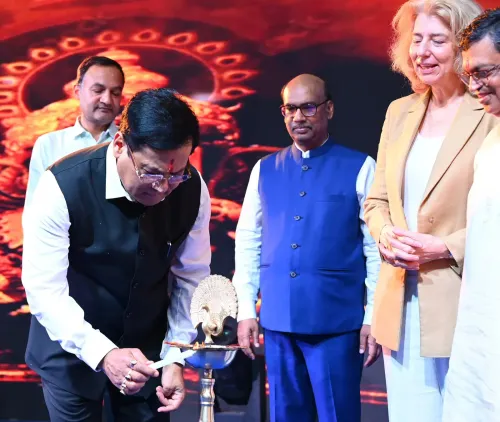
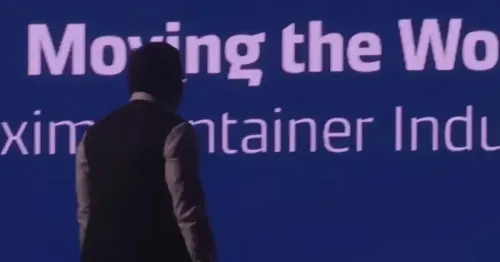
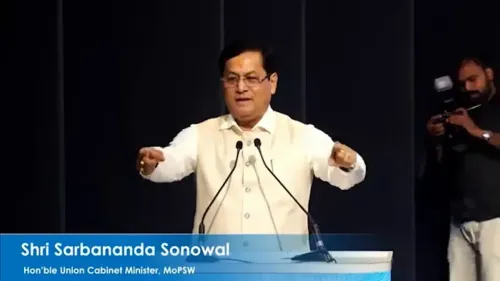
Union Minister of Ports, Shipping and Waterways Sarbananda Sonowal on Saturday, 4 July 2026, shared highlights from the unveiling of India's first domestically manufactured EXIM-grade container built for global shipping giant Maersk, marking a significant milestone in the country's push to localise maritime hardware production.
Context
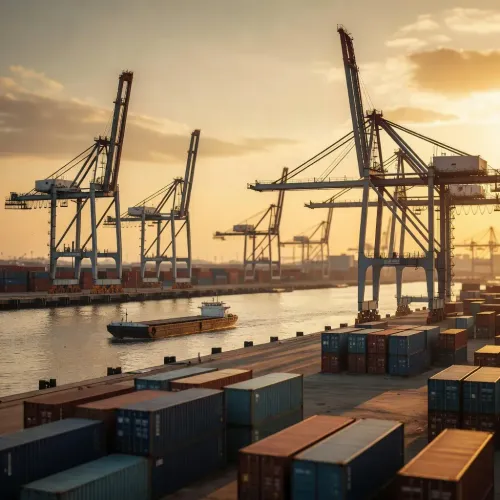
The unveiling of the first Made in India EXIM-grade container for Maersk represents a concrete step in India's long-standing effort to reduce dependence on imported shipping equipment. EXIM-grade containers — used specifically for export-import trade — have historically been sourced from manufacturers in China and other East Asian nations, making this domestic production a notable shift.
Maersk, the Danish multinational and one of the world's largest container shipping operators, has extensive trade routes connecting Indian ports to global markets. Its participation in this initiative signals that international shipping lines are willing to integrate Indian-made hardware into their global fleets.
Policy Backdrop
The development is rooted in the Make in India initiative, launched in September 2014, which has progressively extended its ambit to include maritime equipment and logistics infrastructure. The National Logistics Policy has further reinforced targets around domestic capacity expansion, with container manufacturing identified as a lever for reducing logistics costs and improving India's trade balance.
Minister Sonowal, who has helmed the Ministry of Ports, Shipping and Waterways since 2021, has consistently championed Atmanirbhar Bharat goals within the maritime sector — from port modernisation to the development of inland waterways. The push for indigenously produced containers fits directly within that policy arc, aiming to capture value that currently flows to overseas manufacturers.
Stakeholders and Impact
Indian manufacturers stand to benefit most directly from an order pipeline linked to a global operator like Maersk, which could validate domestic production quality to other international shipping lines. EXIM traders — exporters and importers who rely on container availability and cost — could see downstream benefits if domestic supply helps stabilise container prices, which have been volatile in recent years.
Port operators and logistics aggregators across major gateways such as Jawaharlal Nehru Port, Mundra, and Chennai are also stakeholders, as wider availability of locally produced containers could ease supply-chain bottlenecks during global shipping disruptions.
What's Next
The immediate question is whether this first container signals a larger procurement commitment from Maersk or other global lines, and at what scale Indian manufacturers can ramp production. Upcoming budget and maritime policy cycles are being watched for fresh incentives — such as production-linked schemes or quality certification frameworks — that could accelerate the sector.
If India successfully establishes a credible domestic container manufacturing base, it could meaningfully reduce the import bill for shipping equipment and position the country as a regional supplier to South Asian and Southeast Asian trade corridors — a goal aligned with the broader vision of India as a global maritime hub by 2047.
Point of View
It is a tangible deliverable in the maritime Atmanirbhar narrative ahead of what is likely to be a policy-heavy second half of 2026. The strategic significance lies in Maersk's global footprint: endorsement from a top-tier operator can open doors for Indian manufacturers with other international lines. However, scaling from a single container to fleet-level procurement will require sustained incentive architecture and quality certification that outlasts any single ministerial announcement.
NationPress
4 Jul 2026
Frequently Asked Questions
What is an EXIM-grade container?
An EXIM-grade container is a standardised shipping container specifically certified for export-import trade, built to international dimensional and structural specifications required by global shipping lines.
Why is India making its own shipping containers?
India has historically imported most of its shipping containers from China and East Asia. Domestic production under the Make in India initiative aims to reduce this import dependence, cut logistics costs, and support port modernisation goals.
What is Maersk's role in India's container manufacturing push?
Maersk, one of the world's largest container shipping companies, has partnered in this initiative by receiving the first Made-in-India EXIM-grade container, lending international credibility to domestic manufacturing quality.
Who is Sarbananda Sonowal and what is his role?
Sarbananda Sonowal is India's Union Minister of Ports, Shipping and Waterways since 2021, a senior BJP leader and former Chief Minister of Assam. He oversees maritime infrastructure and Atmanirbhar Bharat initiatives in the shipping sector.
How does domestic container production affect Indian exporters?
A reliable domestic supply of EXIM containers could stabilise container availability and pricing for Indian exporters and importers, reducing vulnerability to global supply-chain disruptions that have caused container shortages in recent years.