CM Soren Inaugurates Jharkhand Krishi Mela 2026 in Ranchi
Synopsis
Chief Minister Hemant Soren on 16 June inaugurated the Jharkhand Krishi Utpad Evam Vyapar Mela-2026 in Ranchi, felicitating progressive farmers, distributing Digital AI Kits and dairy-shed grants to Tana Bhagat families, and bringing together scientists and entrepreneurs over three days.
Key Takeaways
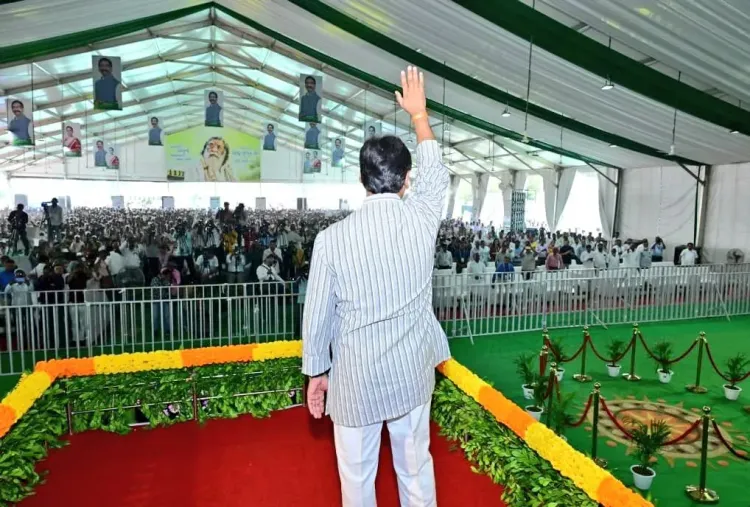
Jharkhand Chief Minister Hemant Soren inaugurated the Jharkhand Krishi Utpad Evam Vyapar Mela-2026 at Morhabadi Maidan, Ranchi on 16 June 2026 .
The official logo of the Krishi Vyapar Mela-2026 was unveiled at the ceremony.
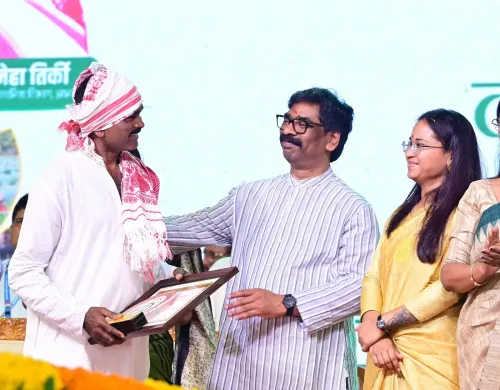
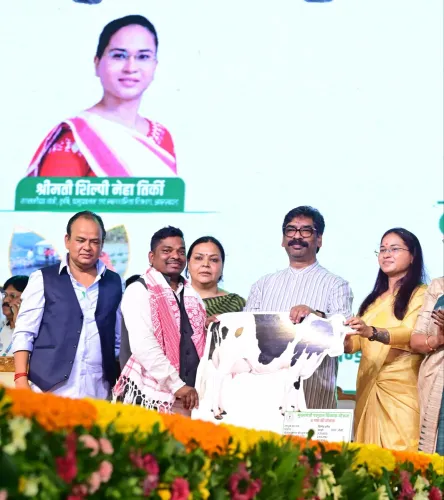
Outstanding progressive farmers were felicitated and Tana Bhagat tribal families received grants for dairy-animal shed construction.
Digital AI Kits and appointment letters were distributed to farmer beneficiaries at the event.
The fair runs from 16 to 18 June 2026 , bringing together farmers, agricultural scientists, researchers and entrepreneurs on a single platform.
The initiative continues Jharkhand's pattern of combining agricultural exhibitions with direct welfare delivery for tribal and rural communities.
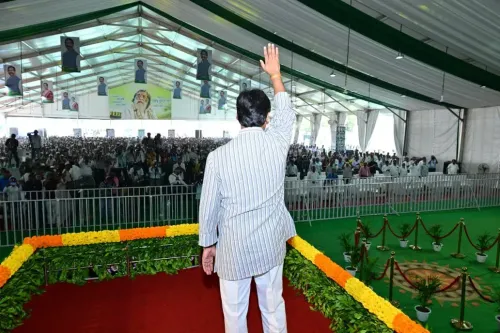
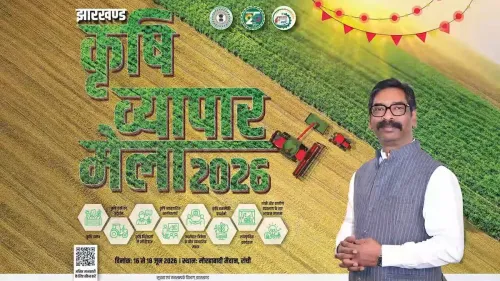
Jharkhand Chief Minister Hemant Soren on Tuesday, 16 June 2026, inaugurated the Jharkhand Krishi Utpad Evam Vyapar Mela-2026 (Jharkhand Agricultural Produce and Trade Fair) at Morhabadi Maidan, Ranchi, marking the opening of a three-day confluence of farmers, scientists, researchers and entrepreneurs from across the state and country.
Context
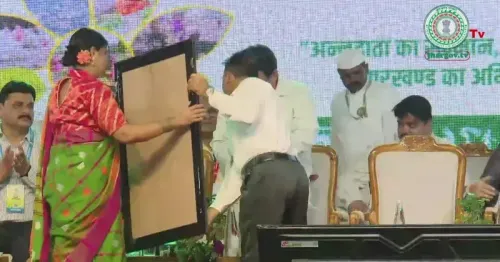
At the inauguration, CM Soren unveiled the official logo of the Krishi Vyapar Mela-2026 and presided over a series of targeted welfare deliveries. Distinguished progressive farmers were felicitated, while Tana Bhagat tribal families received grant amounts for the construction of dairy-animal sheds — a direct benefit transfer aimed at boosting livestock-based livelihoods among one of Jharkhand's historically significant tribal communities.
The ceremony also included the distribution of appointment letters and Digital AI Kits — technology packages designed to give farmers access to digital tools for agricultural decision support. Soren wrote on X: '16 se 18 June tak aayojit is mele mein rajyabhar ke pragatisheel kisan, desh ke krishi vaigyanik, shodhkarta aur udyami ek manch par jute hain' ['Progressive farmers from across the state, agricultural scientists, researchers and entrepreneurs from the country have gathered on one platform for this fair running from 16 to 18 June'].
Policy Backdrop
Jharkhand has organised state-level krishi melas and farmer-scientist meets periodically since the state's formation in 2000, using them as platforms to accelerate technology adoption among smallholder and tribal farmers. The combination of an agricultural exhibition with direct welfare delivery — livestock support, digital tools, and formal appointments — reflects a model the state government has refined over successive editions.
The Tana Bhagat community, primarily among Oraon groups in Jharkhand, has roots in a socio-religious reform movement of the early 20th century and played a role in the freedom struggle. Targeting this community with dairy-animal shed grants aligns with the state's broader emphasis on tribal welfare and rural income diversification. Similar public-private-scientist fair formats have been adopted by other eastern Indian states seeking to modernise smallholder agriculture.
Stakeholders and Impact
The fair's primary beneficiaries are Jharkhand's progressive farmers, who gain direct access to agricultural scientists and entrepreneurs over the 16–18 June period at Morhabadi Maidan. Tana Bhagat families stand to benefit from the dairy-shed construction grants, which are intended to provide a sustainable secondary income through milk production.
Recipients of Digital AI Kits are positioned to use data-driven tools for crop planning, weather alerts and market linkage — a step the state government frames as bringing innovation and technology to grassroots farming. The appointment letters distributed at the event signal concurrent job creation linked to the agricultural sector, though specific numbers of beneficiaries have not been independently verified.
What's Next
The fair continues through 18 June 2026, with sessions expected to feature demonstrations, expert talks and business-to-farmer interactions. The Chief Minister expressed confidence that the event would become 'a major confluence of innovation, technology and new opportunities in farming.' District-level reviews of Digital AI Kit utilisation and animal-shed construction progress will be the key indicators of on-ground impact in the months ahead.
Point of View
Digital AI Kits and appointment letters with a trade fair signals the Soren government's intent to make visible, direct transfers to tribal constituencies ahead of the political calendar. The inclusion of agricultural scientists and entrepreneurs alongside farmers reflects a broader eastern-India trend of positioning state governments as brokers between grassroots cultivators and modern agri-tech. Whether the Digital AI Kit distribution translates into sustained on-farm use, or remains a ceremonial handout, will determine the initiative's long-term credibility. The Tana Bhagat focus is particularly pointed, given that community's historical and symbolic weight in Jharkhand's tribal identity politics.
NationPress
15 Sept 2026
Frequently Asked Questions
What is the Jharkhand Krishi Utpad Evam Vyapar Mela 2026?
It is a state-level agricultural produce and trade fair organised by the Jharkhand government at Morhabadi Maidan, Ranchi, from 16 to 18 June 2026, bringing together farmers, agricultural scientists, researchers and entrepreneurs to promote innovation and technology in farming.
What did CM Hemant Soren distribute at the Krishi Mela 2026 inauguration?
At the inauguration on 16 June 2026, CM Soren distributed Digital AI Kits and appointment letters to farmers, and provided dairy-animal shed construction grants to Tana Bhagat tribal families, in addition to felicitating outstanding progressive farmers.
Who are the Tana Bhagat families and why are they receiving grants?
Tana Bhagat families belong to a tribal community primarily among the Oraon groups of Jharkhand, with roots in an early 20th-century socio-religious reform movement. The Jharkhand government provided them grants for constructing dairy-animal sheds to support livestock-based livelihoods.
What is the Digital AI Kit being distributed to Jharkhand farmers?
The Digital AI Kit is a technology distribution initiative by the Jharkhand government that provides digital tools to farmers for agricultural decision support, including assistance with crop planning and accessing market information.
Where is Morhabadi Maidan in Ranchi?
Morhabadi Maidan is a prominent public ground in Ranchi, the capital of Jharkhand, frequently used for state-level government events, exhibitions and large public gatherings.