Shiv Sena Split 3.0: Uddhav Thackeray fights to hold party together
Synopsis
Eknath Shinde's faction has already claimed six of Uddhav Thackeray's nine MPs and is now openly targeting MLAs and corporators in what it calls 'Split 3.0'. Thackeray's three-day tour is a direct counter — but analysts say emotional appeals alone won't stop the bleeding unless he overhauls a party structure that has left regional leaders feeling shut out of Mumbai's inner circle.
Key Takeaways
Eknath Shinde 's faction launched 'Operation Tiger' to lure six Shiv Sena (UBT) MPs and has announced plans for a 'Split 3.0' targeting MLAs and corporators.
Uddhav Thackeray responded with a three-day grassroots tour of rebel MP constituencies, beginning 29 June .
Sena (UBT) has reportedly already lost six of its nine MPs to the Shinde camp since the 2022 vertical split.
Rebel MPs cited the ₹5 crore MPLADS cap and lack of state government backing as key reasons for switching sides.
Internal critics, including departing lawmakers, pointed to gatekeeping by Sanjay Raut and a Mumbai -centric leadership structure as drivers of alienation.
Aaditya Thackeray 's focus on governance and youth issues is seen as the party's best bridge to newer voters ahead of upcoming local and state elections.
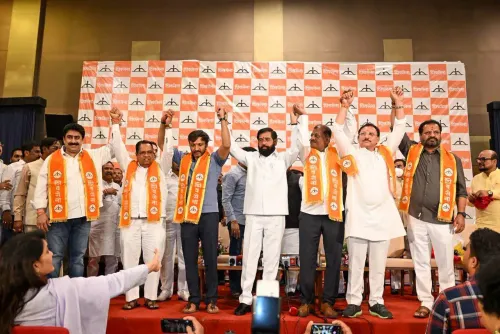
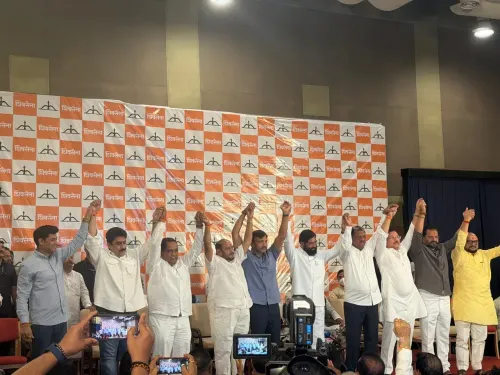
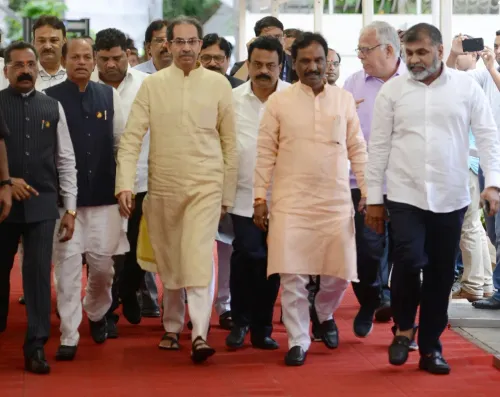
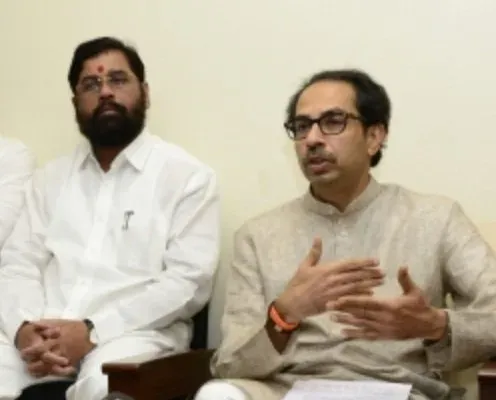
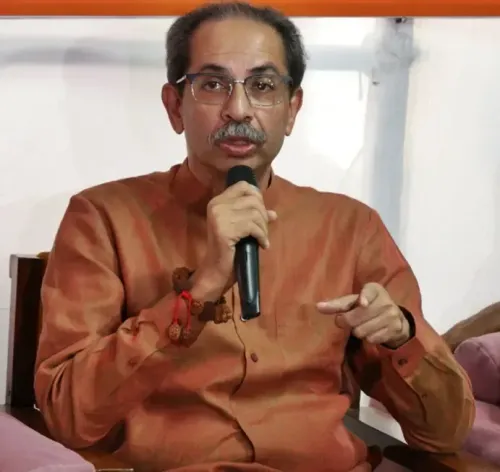
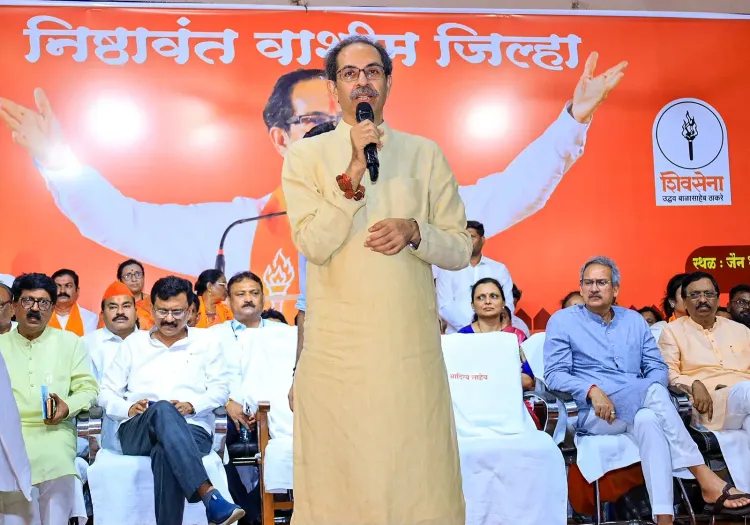
Shiv Sena (Uddhav Balasaheb Thackeray) chief Uddhav Thackeray launched a three-day grassroots tour of constituencies held by rebel MPs on 29 June, in a direct counter to 'Operation Tiger' — the campaign by Maharashtra Deputy Chief Minister and Shiv Sena chief Eknath Shinde's faction to peel away six Sena (UBT) MPs. The Shinde camp has simultaneously announced plans for a 'Split 3.0', targeting Sena (UBT) MLAs and corporators across Maharashtra, raising the prospect of the party's third major fracture in three years.
What Operation Tiger Has Already Achieved
The Shinde faction's outreach has not been merely rhetorical. According to reports, the Sena (UBT) has already lost six of its nine MPs to the rival camp following the original vertical split of 2022 and the subsequent pressure campaign. A significant number of Sena (UBT) MLAs are also reportedly weighing a switch to the Shinde side, deepening the organisational crisis Thackeray now faces.
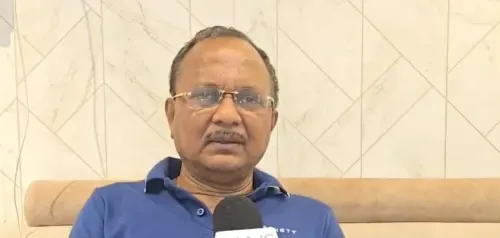
Rebel MPs, including Omprakash Raje Nimbalkar and Nagesh Patil-Ashtikar, have framed their departure in pragmatic terms, arguing that remaining in Opposition has deprived their constituencies of development funds. They contend that the ₹5 crore MPLADS allocation is insufficient without state government backing — a 'constituency survival' argument that cuts through emotional appeals to party loyalty.
The Structural Fault Lines Within Sena (UBT)
Departing lawmakers have openly criticised what they describe as gatekeeping by senior Sena (UBT) leader Sanjay Raut, pointing to 'harsh language' and structural mistrust within the party's inner circle. Critics argue that the party's decision-making is heavily concentrated within a small, Mumbai-centric leadership group, leaving regional representatives from Marathwada, Vidarbha, and North Maharashtra feeling sidelined from ticket distribution and coalition seat-sharing talks.
Analysts note that the Shiv Sena has historically been a bottom-up organisation driven by local shakhas (branch offices). That structure is both Thackeray's greatest asset and a significant vulnerability — his core cadre remains loyal to the Thackeray name, but elected representatives increasingly prioritise access to state resources over ideological allegiance.
Thackeray's Counter-Strategy
Thackeray's outreach tour is designed to reassure sainiks (grassroots workers) that the party, despite its setbacks, remains a viable political force. His recent offer to step down if workers believed the rebels' allegations was a calculated emotional appeal to the cadre — a signature move drawing on the symbolic weight of the Thackeray name.
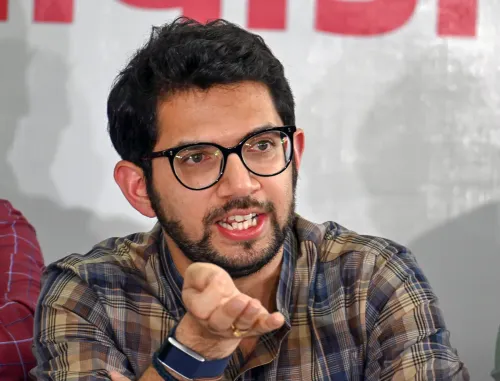
However, analysts argue that emotional capital alone may not be sufficient. The Sena (UBT) chief is being urged to shift from defensive crisis management to structural reform — institutionalising a broader governing council, giving regional leaders a genuine voice, and transitioning from a remote figurehead to an active, collaborative party manager. Former state minister Aaditya Thackeray's focus on governance, climate, urban infrastructure, and farmer welfare is seen as the party's most credible bridge to younger voters.
The Road Ahead for Sena (UBT)
With civic body elections and state assembly contests on the horizon, Thackeray's best electoral prospects reportedly lie in hyper-local assembly constituencies where shakha loyalty and individual candidate relationships still outweigh the financial muscle of the ruling Mahayuti alliance. Mobilising local workers to raise the political cost of defection — by protesting outside the offices of wavering MLAs and MPs — could deter fence-sitters who fear losing their voter base by abandoning the Thackeray brand.
Yet the core challenge remains: unless Thackeray can convince his legislators that they can retain their seats under the Sena (UBT) banner without ruling-coalition backing, structural containment of Split 3.0 will be an uphill task. The coming weeks will test whether Thackeray's grassroots reconnection translates into organisational stability or merely delays the next wave of defections.
Point of View
They are making a structural point about how Indian federal politics works — and Thackeray has no clean answer. His emotional capital is real but finite; it has not stopped six of nine MPs from leaving. The deeper problem is organisational: a Mumbai-centric inner circle that has systematically alienated regional legislators is not a crisis Thackeray can fix with a three-day tour. Unless he genuinely decentralises power — giving Marathwada, Vidarbha, and North Maharashtra leaders real agency over tickets and coalitions — the grassroots loyalty to the Thackeray name will keep eroding as elected representatives calculate their individual survival odds.
NationPress
29 Jun 2026
Frequently Asked Questions
What is 'Split 3.0' in Shiv Sena?
'Split 3.0' is the term used for the Eknath Shinde faction's campaign to engineer defections among Shiv Sena (UBT) MLAs and corporators, following the original 2022 vertical split and a subsequent round of MP defections under 'Operation Tiger'. It represents the third major attempt to fracture the Thackeray-led party.
What is 'Operation Tiger' and what has it achieved?
'Operation Tiger' is the Shinde faction's targeted effort to lure six Shiv Sena (UBT) MPs into its fold. According to reports, the campaign has already succeeded in drawing away six of Sena (UBT)'s nine MPs, significantly weakening the party's parliamentary presence.
Why are Sena (UBT) MPs and MLAs considering switching sides?
Rebel MPs, including Omprakash Raje Nimbalkar and Nagesh Patil-Ashtikar, argue that sitting in Opposition deprives their constituencies of development funding, with the ₹5 crore MPLADS allocation seen as insufficient without state government backing. Some MLAs are also reportedly frustrated by a centralised, Mumbai-centric leadership structure.
What is Uddhav Thackeray doing to prevent further defections?
Thackeray launched a three-day tour of constituencies represented by rebel MPs on 29 June, aimed at reassuring grassroots sainiks and raising the political cost of defection. He has also offered to step down if workers believed the rebels' allegations — a move analysts describe as a classic emotional appeal to the cadre.
What structural reforms does Sena (UBT) need to survive Split 3.0?
Analysts say Thackeray must decentralise decision-making beyond the Mumbai inner circle, give regional leaders from Marathwada, Vidarbha, and North Maharashtra a real voice in ticket distribution and coalition talks, and address internal communication gaps — including criticism directed at senior leader Sanjay Raut — that have alienated elected representatives.