Parliament deadlock: SP's Ram Gopal Yadav slams NDA over Opposition demands
Synopsis
The Monsoon Session of Parliament ended without the debate the Opposition demanded—on alleged police brutality during the July 20 Sansad Chalo march over NEET irregularities. SP’s Ram Gopal Yadav put it plainly: ruling alliances, whoever they are, must not be stubborn. With Rahul Gandhi rejecting Amit Shah’s offer as ‘lectures’ and student anger unresolved, the political standoff is far from over.
Key Takeaways
SP MP Ram Gopal Yadav criticised the NDA government on 13 August , saying ruling alliances must not be stubborn against Opposition demands.
The Monsoon Session ended in deadlock over the Opposition’s demand for a debate on alleged police action during the July 20 Sansad Chalo march.
Home Minister Amit Shah offered to respond to questions but conditioned it on written submissions to the Speaker—a format the Opposition called unprecedented.
Rahul Gandhi rejected the government’s offer, demanding answers on who ordered the alleged ‘shooting’ at student protesters.
Parliamentary Affairs Minister Kiren Rijiju said the Centre was willing to extend the session if the Opposition agreed to participate.
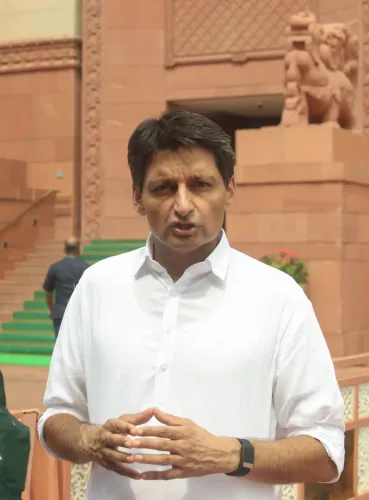
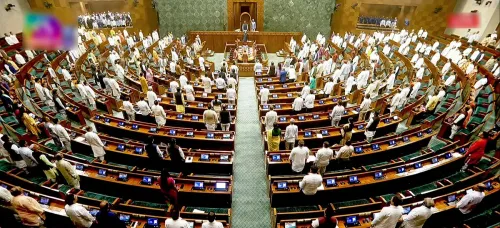
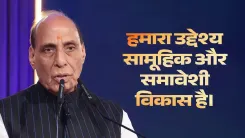
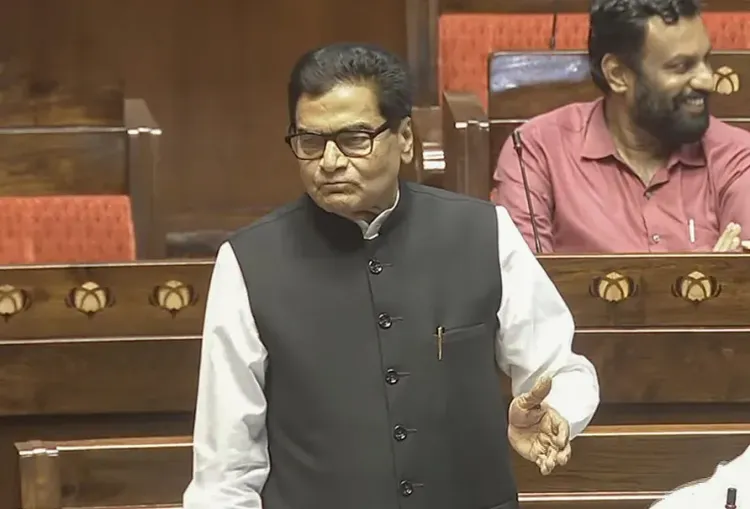
Samajwadi Party (SP) Member of Parliament Ram Gopal Yadav on Thursday, 13 August took aim at the Bharatiya Janata Party (BJP)-led National Democratic Alliance (NDA) government, asserting that no ruling dispensation should remain “stubborn in the face of the Opposition’s demands.” His remarks came as the Monsoon Session of Parliament drew to a close amid a protracted deadlock between the Centre and the Opposition over demands for a debate on alleged police brutality against student protesters.
Background: What Triggered the Standoff
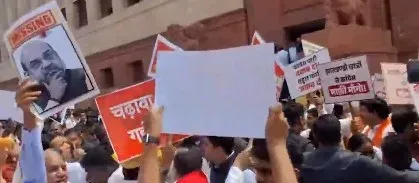
The parliamentary logjam centres on the Opposition’s demand for a structured debate on the July 20 ‘Sansad Chalo’ march, during which student protesters were allegedly subjected to police brutality. The march itself was organised over exam irregularities and the NEET paper leak controversy, which has roiled higher education circles and drawn widespread public anger.
What Ram Gopal Yadav Said
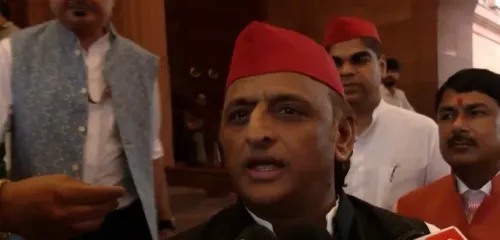
Speaking to reporters outside Parliament House in New Delhi, Yadav said: “Some Bills were bulldozed through the House which is against the norms of the Parliament…When someone is in power, they should not be stubborn in the face of the Opposition’s demands.”
He also took issue with Home Minister Amit Shah’s offer to respond to Opposition questions, criticising the condition that questions be submitted in writing to the Speaker. “The convention has always been that ministers give statements, and MPs from all parties who want to ask questions can seek clarifications within the time limit…it is not like a press conference,” Yadav said. He added that the Opposition could not participate when “Parliamentary conventions are being broken.”
Government’s Position
A day earlier, Union Home Minister Amit Shah had declared he was “ready to answer everything” on the matter. However, his offer came with the condition that Opposition MPs submit their questions in writing to the Speaker—a procedure critics argue has no precedent in parliamentary practice.
Union Parliamentary Affairs Minister Kiren Rijiju further indicated on Wednesday that the Centre was willing to extend the session’s timeline if the Indian National Congress (Congress) and other Opposition parties agreed to participate in the debate even on the final day.
Opposition’s Counter
Lok Sabha Leader of Opposition Rahul Gandhi rejected the government’s overture, saying on Wednesday that the Opposition had no interest in the Home Minister’s “imagination or lectures.” Gandhi stated that the young generation wanted answers on who gave orders to “shoot” at protesters—a pointed escalation of the Opposition’s framing of the incident.
What This Signals
The collapse of the Monsoon Session without a structured debate marks a significant failure of parliamentary dialogue. Notably, this is not an isolated episode—disruptions over Opposition demands for accountability debates have become a recurring feature of recent sessions. With the NEET controversy still unresolved and student anger simmering, the political fallout is unlikely to dissipate before the next session. All eyes will now be on whether the government convenes an extraordinary session or addresses the issue through other institutional channels.
Point of View
No open floor—was procedurally novel enough to give the Opposition a principled exit. But the Opposition’s refusal to engage at all, even on the final day, raises its own questions about whether accountability or optics was the real priority. The NEET controversy has genuine public salience; a missed parliamentary debate cedes that ground to street politics. Ram Gopal Yadav’s warning—that stubbornness in power corrodes institutional norms—applies with equal force to an opposition that declined a forum it had demanded.
NationPress
27 Sept 2026
Frequently Asked Questions
Why did Parliament’s Monsoon Session end in a deadlock?
The session ended without a structured debate because the Opposition and the government could not agree on the format for discussing alleged police brutality during the July 20 Sansad Chalo march. The government offered a debate with written questions submitted to the Speaker, which the Opposition rejected as contrary to parliamentary convention.
What is the Sansad Chalo march that triggered the row?
The Sansad Chalo march was held on 20 July by student protesters demanding accountability over exam irregularities and the NEET paper leak. The Opposition alleges that protesters were subjected to police brutality during the march, and has demanded a full parliamentary debate on the incident.
What did Home Minister Amit Shah offer the Opposition?
Amit Shah said he was ready to answer all questions on the matter, but asked that Opposition MPs submit their questions in writing to the Speaker. Critics, including SP MP Ram Gopal Yadav, argued this format has no precedent in parliamentary practice and amounts to breaking established convention.
What was Rahul Gandhi’s response to the government’s debate offer?
Lok Sabha Leader of Opposition Rahul Gandhi rejected the offer, saying the Opposition was not interested in the Home Minister’s ‘imagination or lectures.’ He demanded answers on who gave the order to ‘shoot’ at student protesters during the Sansad Chalo march.
What happens next after the Monsoon Session ends without a debate?
With the Monsoon Session concluded, the issue is unlikely to be formally debated until the next parliamentary session. The government could address the matter through other channels, but political pressure—especially tied to the unresolved NEET controversy—is expected to persist.