Srinagar gets ₹361 crore solid waste management project under Omar Abdullah govt
Synopsis
The Omar Abdullah Cabinet has cleared a ₹361 crore, 800-TPD integrated waste management facility at Achan — one of J&K's largest civic infrastructure bets in years. In the same sitting, it broke a years-long regulatory deadlock to finally greenlight the Hazratbal hospital upgrade, signalling a dual push on environment and healthcare in Srinagar.
Key Takeaways
The J&K Cabinet on 14 May 2025 approved a ₹361 crore Integrated Solid Waste Management Project at Achan, Srinagar .
The facility will have a capacity of 800 tonnes per day (TPD) and cover collection, segregation, treatment, and disposal of municipal solid waste.
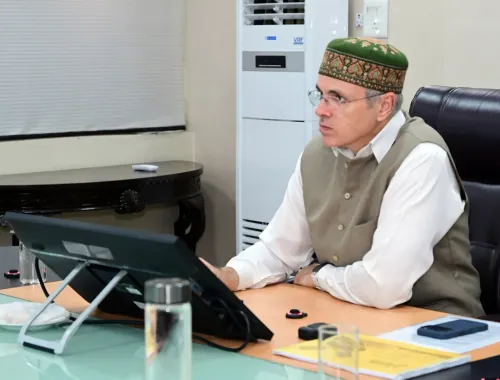
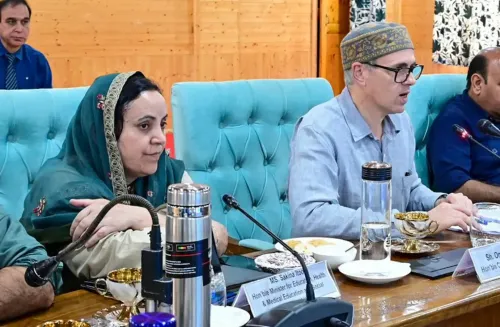
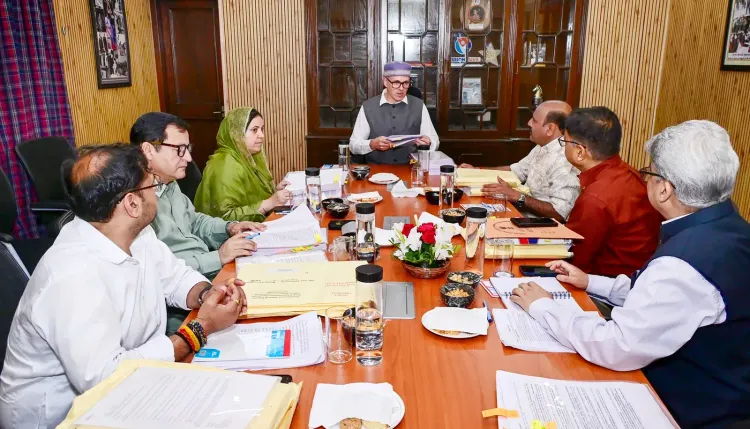
The decision was taken at the sixth meeting of the Council of Ministers chaired by Chief Minister Omar Abdullah .
The Cabinet also approved the upgradation of Sub-District Hospital Hazratbal by relaxing buffer zone restrictions under the Srinagar Master Plan–2035 .
The Hazratbal hospital upgrade had been stalled for several years due to buffer zone regulatory hurdles; it will now add blood bank services, operation theatres, and specialised treatment facilities.
The Jammu & Kashmir Cabinet, chaired by Chief Minister Omar Abdullah, on Thursday, 14 May 2025, approved a ₹361 crore Integrated Solid Waste Management Project at Achan in Srinagar district — a move aimed at overhauling the city's waste infrastructure amid rapid urban growth. The project, with a capacity of 800 tonnes per day (TPD), marks one of the most significant environmental infrastructure investments in the Union Territory in recent years.
What the Project Covers
The approved facility at Achan will deploy modern systems for the collection, segregation, treatment, and disposal of municipal solid waste. The project is designed to enhance Srinagar's waste processing capacity through scientifically managed infrastructure, moving away from the unscientific dumping practices that have long plagued the city.
According to the official Cabinet statement, the facility is expected to improve sanitation standards, reduce environmental pollution, and contribute to cleaner urban surroundings. It is also intended to support long-term urban planning and environmental sustainability as Srinagar expands.
Why Srinagar Needed This
Srinagar has faced mounting pressure on its waste management systems due to rapid urbanisation and population growth. The city's existing infrastructure has struggled to keep pace with the volume of municipal solid waste generated daily. The decision, taken during the sixth meeting of the Council of Ministers, reflects the government's stated objective of building scientifically sound waste management systems.
Notably, the choice of Achan as the project site aligns with long-term urban planning frameworks for Srinagar, positioning the facility to serve the city's growing periphery.
Hazratbal Hospital Upgrade Also Cleared
In a second major decision at the same Cabinet meeting, the government approved the upgradation of Sub-District Hospital Hazratbal, granting a relaxation of buffer zone restrictions under the Srinagar Master Plan–2035. The hospital project had remained stalled for several years due to regulatory hurdles tied to buffer zone provisions, causing prolonged inconvenience to residents of the area.
With the approval now in place, the Hazratbal hospital is expected to receive expanded infrastructure including blood bank services, operation theatres, and specialised treatment facilities for various ailments — significantly strengthening healthcare delivery in the locality.
Broader Impact on Srinagar
Together, the two approvals signal a concerted push by the Omar Abdullah government to address longstanding civic and healthcare deficits in Srinagar. The waste management project in particular carries implications beyond sanitation — a cleaner Srinagar directly supports the city's tourism economy, which is central to Jammu & Kashmir's post-reorganisation development agenda.
Implementation timelines and the agency responsible for executing the ₹361 crore project have not yet been officially disclosed. Further details are expected as the project moves into its next administrative phase.
Point of View
But Srinagar's civic challenges run deeper than a single facility. The city's Dal Lake catchment, its tourism brand, and its air quality are all downstream of how well solid waste is managed — making execution, not just approval, the real story. The Hazratbal hospital clearance is equally telling: that a public health facility sat stalled for years over a buffer zone technicality speaks to the regulatory gridlock the new administration inherited. Whether these approvals translate into grounded infrastructure or join a long queue of announced-but-delayed J&K projects will be the measure of this Cabinet's credibility on urban governance.
NationPress
1 Oct 2026
Frequently Asked Questions
What is the ₹361 crore solid waste management project approved for Srinagar?
It is an 800 TPD Integrated Solid Waste Management Project to be established at Achan in Srinagar district, approved by the J&K Cabinet on 14 May 2025 at an estimated cost of ₹361 crore. The facility will handle collection, segregation, treatment, and disposal of municipal solid waste using modern, scientifically managed systems.
Where will the Srinagar waste management facility be located?
The project will be set up at Achan in Srinagar district, a location chosen to align with the city's long-term urban planning needs and to serve its expanding periphery.
Why was the Hazratbal hospital upgrade stalled?
The Sub-District Hospital Hazratbal upgrade had been stalled for several years due to restrictions under the buffer zone provisions of the Srinagar Master Plan–2035. The Cabinet resolved this by granting a relaxation of those buffer zone restrictions on 14 May 2025.
What new facilities will Hazratbal hospital get after the upgrade?
Following the Cabinet's approval, the Hazratbal hospital is expected to receive expanded infrastructure including blood bank services, operation theatres, and specialised treatment facilities for various ailments.
How does the waste project benefit Srinagar residents?
The project is expected to significantly improve sanitation standards, reduce environmental pollution, and contribute to cleaner, healthier urban surroundings. It also supports Srinagar's long-term urban planning and environmental sustainability goals amid growing population and urban expansion.