Stalin Hails GenZ DMK Meetup, Says Future Looks Hopeful
Synopsis
DMK president M. K. Stalin on 30 May 2026 hailed the #GenZDMKMeetup, declaring the future hopeful and party energy growing despite opposition status at the national level, reaffirming the DMK's generational outreach strategy rooted in Dravidian ideology.
Key Takeaways
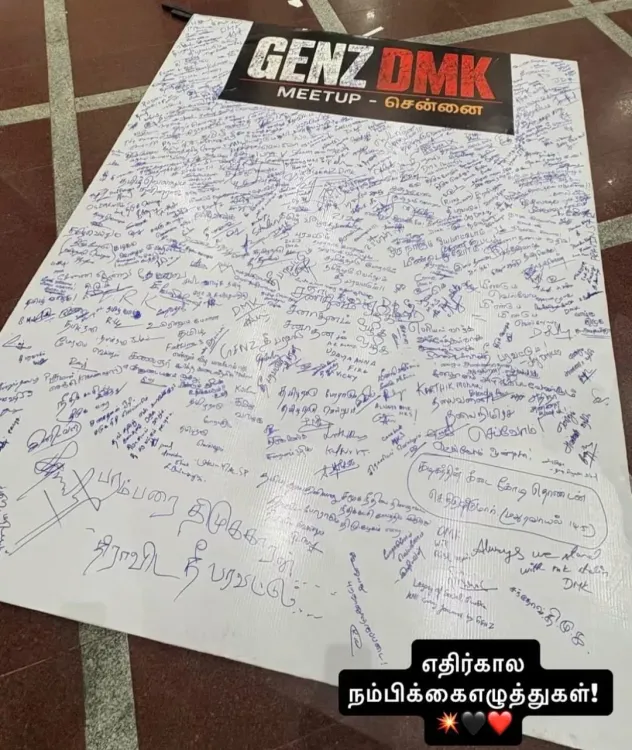
Stalin posted on 30 May 2026 celebrating the #GenZDMKMeetup , a party event targeting younger supporters.
Stalin stated that energy within the party is growing 'even as an opposition party,' reflecting DMK's dual role in Tamil Nadu governance and national opposition.
The Dravida Munnetra Kazhagam , founded in 1949 , has historically used youth gatherings to transmit Dravidian ideology across generations.
Since returning to power in Tamil Nadu in 2021 , DMK has expanded digital and student outreach to connect with first-time and younger voters.
The meetup signals continued DMK investment in grassroots mobilisation ahead of the next Tamil Nadu assembly elections .
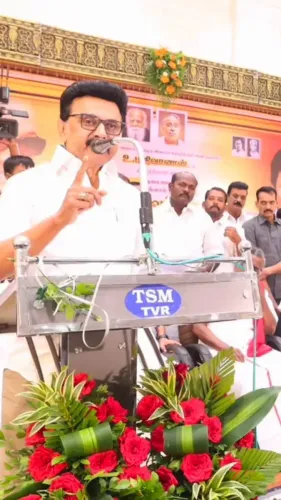
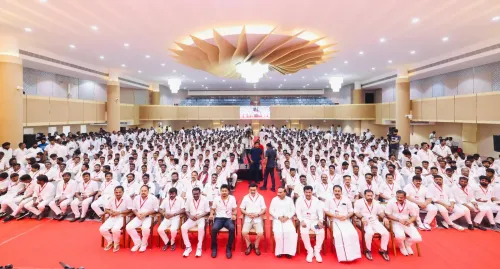
DMK president M. K. Stalin on Saturday, 30 May 2026, expressed strong optimism about his party's future after a youth-focused gathering under the hashtag #GenZDMKMeetup, declaring that energy within the organisation was rising even while the party operates in opposition at the national level.
Posting in Tamil on X, Stalin wrote: 'எதிர்காலம் நம்பிக்கை அளிக்கிறது! எதிர்க்கட்சி என்றாலும் energy கூடுகிறது. இதுதான் திமுக!' — translated: 'The future gives hope! Even as an opposition party, energy is growing. This is DMK!' He signed off with the rallying cries 'Long live Tamil! Victory to Dravidism!'
Context
The GenZDMKMeetup is a DMK-organised gathering designed to engage younger supporters and build cadre energy around the party's ideology and electoral prospects. The event reflects a deliberate push by the party to connect its Dravidian movement legacy with a new generation of voters who came of age in a digital era. Stalin's post signals that the meetup succeeded in generating visible enthusiasm among younger attendees.
Policy Backdrop
The Dravida Munnetra Kazhagam, founded in 1949, has long invested in youth and organisational outreach as a core strategy. M. Karunanidhi, Stalin's father and the party's long-serving patriarch, expanded youth wing activities in the 1970s to groom future leaders — a lineage that shaped Stalin's own rise. Since the DMK returned to power in Tamil Nadu in 2021, the party has launched multiple digital and student outreach programmes to deepen its connection with younger voters ahead of future elections.
The dual identity Stalin references — ruling party in Tamil Nadu while occupying opposition space at the national level within the INDIA alliance — is a defining tension the party has navigated for decades. Youth mobilisation events serve both to reinforce ideological continuity and to channel that tension into organisational momentum.
Stakeholders and Impact
The primary audience for such meetups is the DMK youth wing and first-time voters in Tamil Nadu, a demographic increasingly courted by all major parties through digital-first campaigns. By publicly celebrating the event's energy, Stalin signals to both internal cadres and rival parties that the DMK's grassroots base remains robust. The emphasis on hope and growing energy also carries a subtle message about the party's confidence ahead of the next Tamil Nadu assembly elections.
For the broader Dravidian movement, such gatherings are as much about ideological transmission as electoral arithmetic — ensuring that anti-caste reform, Tamil linguistic pride, and federalism remain live values for a generation that did not witness the movement's formative struggles.
What's Next
Attention will now turn to whether the GenZDMKMeetup translates into concrete organisational announcements — expanded youth wing structures, new digital outreach programmes, or policy commitments on education and employment tailored to younger Tamil Nadu voters. With assembly elections on the horizon, the DMK's ability to sustain this generational energy will be a key indicator of its electoral preparedness. Stalin's public endorsement of the event's spirit suggests further youth-centric initiatives are likely in the months ahead.
Point of View
Signals electoral confidence, and frames generational continuity as a DMK strength. The opposition framing is notable: by acknowledging the party's national opposition status while asserting rising energy, Stalin turns a potential liability into a rallying point. This mirrors a broader pattern in Dravidian politics where organisational vitality is projected as proof of ideological legitimacy, not just electoral muscle. The GenZDMKMeetup initiative also reflects a wider trend among Indian regional parties racing to capture the demographic dividend before the next round of state elections.
NationPress
19 Sept 2026
Frequently Asked Questions
What is the GenZDMKMeetup?
The GenZDMKMeetup is a DMK-organised event aimed at engaging younger and Gen Z supporters with the party's Dravidian ideology and building grassroots energy ahead of future elections in Tamil Nadu.
What did M. K. Stalin say about the GenZ DMK Meetup?
Stalin said 'The future gives hope! Even as an opposition party, energy is growing. This is DMK!' — expressing optimism about the party's organisational momentum among younger members.
Is DMK in power in Tamil Nadu in 2026?
DMK has been the ruling party in Tamil Nadu since 2021 under Chief Minister M. K. Stalin, while simultaneously functioning as part of the national opposition INDIA alliance at the central level.
Why does DMK organise youth meetups?
DMK has a long tradition of youth outreach dating to the 1970s under M. Karunanidhi. These events transmit Dravidian values — social justice, Tamil identity, and federalism — to new generations and help build cadre strength for elections.
What is the Dravidian movement?
The Dravidian movement is a long-running political and social movement in Tamil Nadu focused on anti-caste reform, Tamil linguistic pride, and state autonomy, with the DMK as one of its principal political vehicles since 1949.