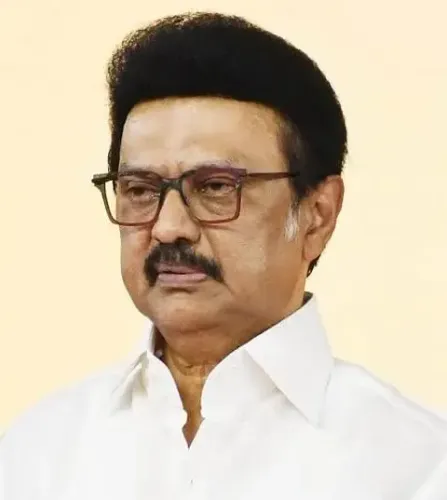
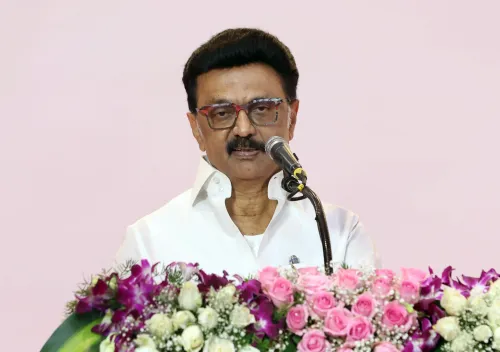
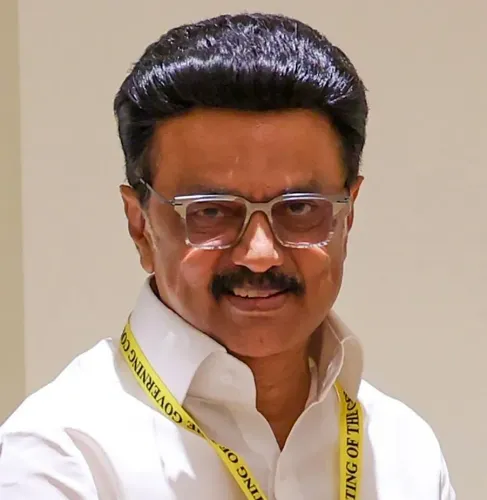
CM Stalin Defends TN's Agricultural Incentives in Response to FM Sitharaman
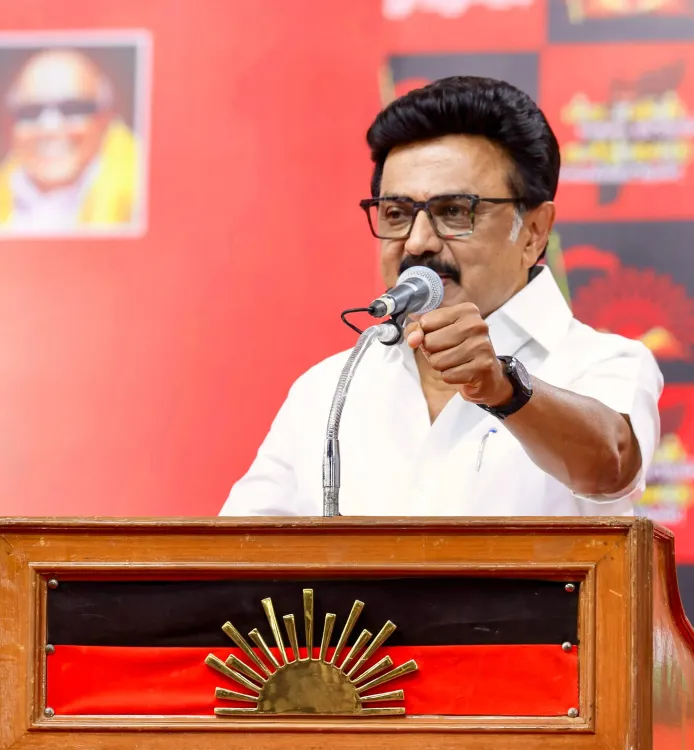
Synopsis
In a heated exchange, Tamil Nadu's CM M.K. Stalin firmly defended the state's agricultural incentive programs against Union FM Nirmala Sitharaman's critique, emphasizing their role in boosting paddy production and refuting claims of misinterpretation.
Key Takeaways
CM Stalin defends Tamil Nadu's agricultural incentive programs.
FM Sitharaman urges alignment with national agricultural priorities.
Political tensions escalate ahead of Assembly elections .
Debate on federal autonomy and policy coordination intensifies.
Incentive schemes for paddy cultivation are crucial for farmers.
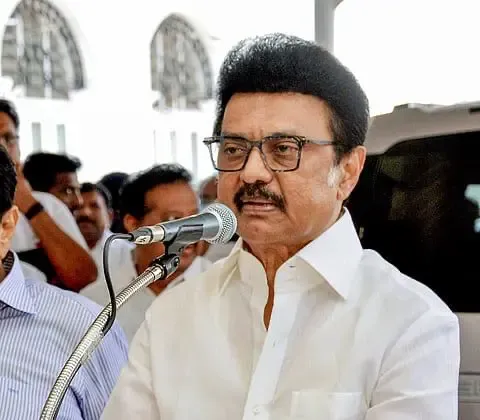
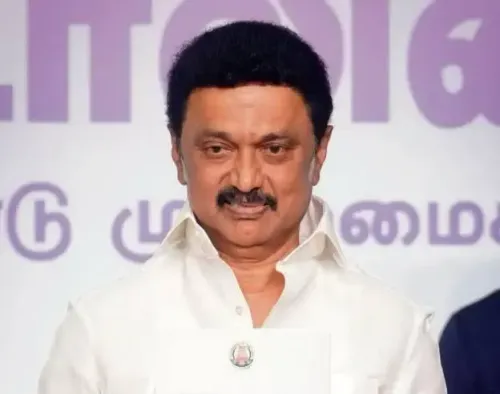
Chennai, April 13 (NationPress) Tamil Nadu's Chief Minister, M.K. Stalin, vigorously responded to Union Finance Minister Nirmala Sitharaman on Monday, insisting that his statements regarding agricultural incentives were strictly derived from the Central government's official correspondence and did not exceed what was outlined in the document.
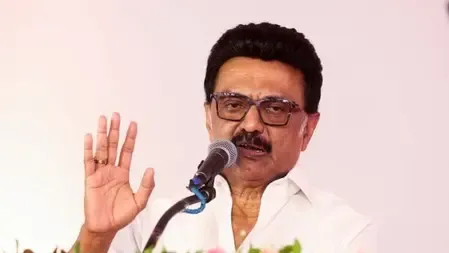
In a post shared on X, CM Stalin highlighted that the incentive programs for paddy farming in Tamil Nadu have played a crucial role in boosting production within the state over the years. He pointed out that the Union government's message to the state's Chief Secretary clearly indicated a move towards the cessation of such incentives, emphasizing that his understanding was rooted in the letter's contents.
“I have not communicated anything beyond what is mentioned in the letter. There is no requirement for me to elaborate further,” he stated, refuting claims of distortion.
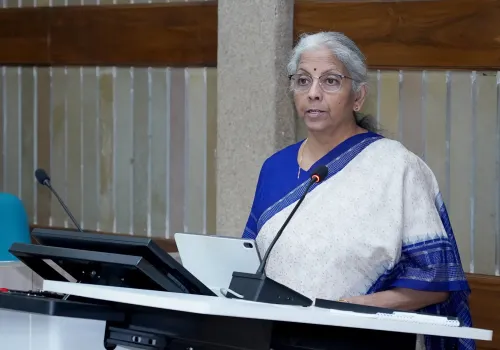
This pushback followed Sitharaman's remarks where she mentioned that she had communicated with Chief Secretaries across all states, including Tamil Nadu, urging them to synchronize agricultural incentive policies with national objectives.
She stressed the importance of advocating for the cultivation of pulses, oilseeds, and paddy, pointing out that these crops are in substantial domestic demand and could enhance farmers' incomes if adequately supported.
Clarifying her stance, Sitharaman asserted that the provision of incentives or bonuses above the Minimum Support Price (MSP) remains the exclusive prerogative of state governments and that the Centre has not limited this authority.
Nonetheless, she accused Stalin of diverting focus from constructive dialogue and turning the matter into a political issue for narrow electoral advantages.
She further condemned the DMK, alleging that while the nation seeks solutions, the party is generating needless controversies, and when the Union government offers cooperation, it is being manipulated for election-driven narratives.
This exchange has heightened political tensions between the DMK-led Tamil Nadu administration and the Central government as the Assembly elections approach.
It also underscores a larger discussion regarding federal autonomy, policy alignment, and the equilibrium between state-specific welfare initiatives and national agricultural priorities.
Point of View
The exchange between CM Stalin and FM Sitharaman highlights the complexities of federal-state relations in India. As both leaders defend their positions, the underlying issues of agricultural policy and state autonomy come to the forefront, warranting a nuanced examination of governance in the country.
NationPress
19 Sept 2026
Frequently Asked Questions
What was CM Stalin's main argument regarding agricultural incentives?
CM Stalin argued that his statements were based on the Centre's official communication, indicating that proposed changes to agricultural incentives were not his interpretations but rather what was directly stated in the letter.
What did FM Sitharaman suggest in her communication to state Chief Secretaries?
FM Sitharaman urged state Chief Secretaries to align their agricultural incentive policies with national priorities, emphasizing the importance of promoting certain crops to boost farmers' incomes.
How has this exchange impacted the political landscape in Tamil Nadu?
This exchange has intensified political tensions between the DMK-led Tamil Nadu government and the Central government, particularly as Assembly elections approach.
What broader issues does this conflict highlight?
The conflict underscores key discussions regarding federal autonomy, policy coordination, and the balance between state welfare measures and national agricultural objectives.
Is there any indication of a political motive behind CM Stalin's statements?
FM Sitharaman accused CM Stalin of diverting attention from constructive dialogue, suggesting that his comments may have political motivations linked to upcoming elections.