Stalin Demands AIADMK Explain Next Legal Steps on Thiruparankundram
Synopsis
DMK president M. K. Stalin publicly challenged Tamil Nadu's incumbent government on 20 November 2026, demanding its Chief Minister explain the next legal steps in the Thiruparankundram communal dispute — framing it against the DMK's own record of restoring peace at the site.
Key Takeaways
Stalin posted on 20 November 2026 demanding the incumbent Tamil Nadu government explain its legal plan on the Thiruparankundram matter.
Stalin credited the DMK government with previously fighting to establish 'peace and religious harmony' at Thiruparankundram in Madurai district .
The post is a public accountability challenge — asking the sitting Chief Minister to disclose concrete next legal steps.
Thiruparankundram is one of six sacred Murugan abodes in Tamil Nadu, making communal disputes there politically and culturally sensitive.
DMK governments have historically positioned the party as a guarantor of minority rights and communal peace since the 1960s .
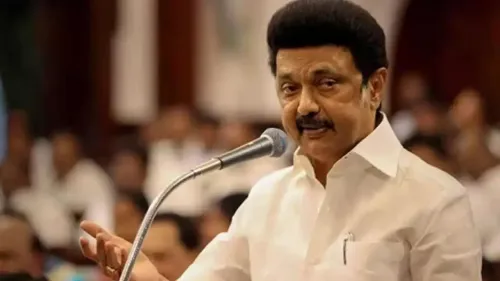
Communal peace at a centuries-old hilltop temple has become the latest flashpoint in Tamil Nadu's inter-party battle — and DMK president M. K. Stalin is demanding answers. On Friday, 20 November 2026, Stalin posted on X, pressing the rival government to publicly account for its next legal move in the Thiruparankundram dispute.
Posting in Tamil, Stalin wrote: 'In the Thiruparankundram matter, the DMK government fought hard and established Tamil Nadu's peace and religious harmony. The Chief Minister of the AIADMK government must explain what legal action they plan to take next.' The challenge is pointed and public — no room to deflect.
What Thiruparankundram Represents
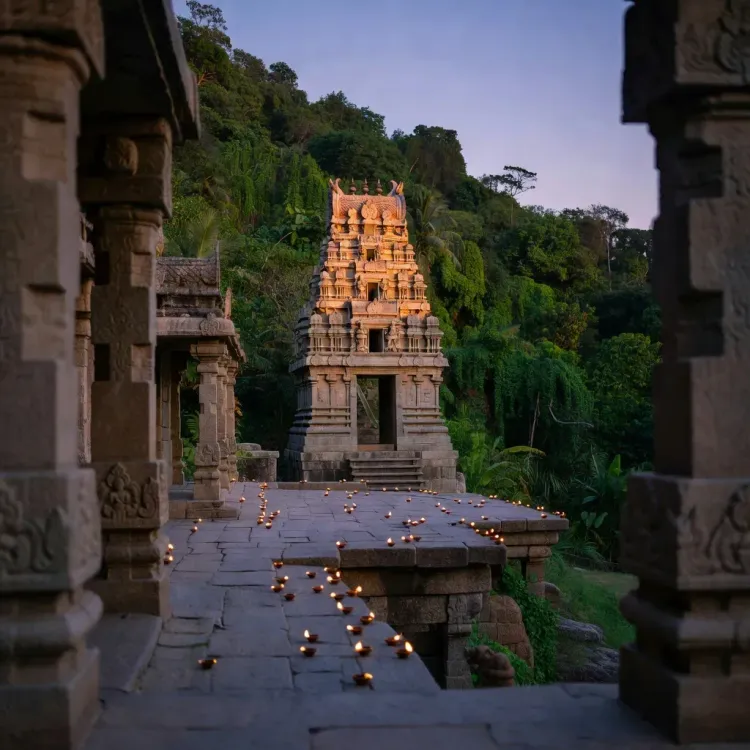
Thiruparankundram, a town in Madurai district, is home to one of the six sacred abodes of Lord Murugan, drawing pilgrims from across the state and beyond. The site has periodically become a pressure point in disputes over religious access and land use — the kind of flashpoint where local grievance, faith, and political calculation intersect.
DMK governments have historically intervened in such local temple-related disputes across southern Tamil Nadu, positioning the party as a guarantor of minority rights and communal stability — a tradition it traces back to the 1960s.
Stalin's Record vs. the Incumbent's Accountability
The post is a classic accountability move: Stalin is not announcing policy — he is spotlighting what he frames as an unresolved obligation. By invoking the DMK's own track record of 'fighting hard' on the issue, he draws a direct line between his party's governance legacy and what he argues is the current administration's silence.
It is part of a broader pattern in Tamil Nadu politics: Dravidian parties habitually contrast their handling of communal flashpoints with their rivals', particularly on issues touching minority communities and religious sites. The demand for the sitting Chief Minister to explain 'next legal steps' implies Stalin believes the matter has not been resolved — and that the pressure of a public answer is the sharpest tool available.
The Legal Question Left Hanging
What gives the post its edge is the specificity of the demand — not a general critique, but a call for the Chief Minister to detail concrete legal action. No formal statement or court filing from the incumbent government had been reported in response at the time of publication.
Whether the government responds publicly, files in court, or stays silent will define the next chapter of this dispute. Stalin has made sure there is no easy off-ramp.
Point of View
Then weaponise the successor government's silence on follow-up action. It signals that the Thiruparankundram dispute has not fully closed and that the DMK intends to keep it alive as a governance-accountability issue. The demand for a specific legal explanation — rather than a general critique — raises the stakes, forcing the government to either respond publicly or absorb the optics of evasion. In Tamil Nadu's Dravidian political tradition, where control of the communal-peace narrative is as valuable as any policy win, this kind of challenge carries real electoral weight.
NationPress
20 Nov 2026
Frequently Asked Questions
What is the Thiruparankundram dispute about?
Thiruparankundram is a town in Madurai district, Tamil Nadu, home to a major Murugan temple, which has periodically been the site of disputes over religious access and land use involving local communities.
What did M. K. Stalin say about Thiruparankundram?
Stalin posted on X on 20 November 2026, stating the DMK government had fought hard to restore peace and religious harmony there, and demanding the incumbent Chief Minister publicly explain the next legal steps planned in the matter.
Which government is Stalin referring to as 'த.வெ.க. அரசு'?
Stalin is referring to the rival AIADMK-led government currently in power in Tamil Nadu, whom he is challenging to disclose their legal plan on the Thiruparankundram issue.
Why is Thiruparankundram significant in Tamil Nadu politics?
It is one of the six sacred Murugan shrines in Tamil Nadu, making any communal dispute there politically and religiously sensitive; Dravidian parties have historically framed their handling of such sites as proof of their commitment to religious harmony.
What is DMK's historical stance on communal disputes in Tamil Nadu?
Since the 1960s, DMK governments have positioned the party as a guarantor of minority rights and communal peace, regularly intervening in local temple and religious-site disputes to prevent escalation.