CM Fadnavis Orders Sainik School Overhaul in Maharashtra
Synopsis
Chief Minister Devendra Fadnavis has ordered a sweeping overhaul of Maharashtra's 38 sainik schools, introducing a five-tier performance grading system, incentives for top schools, strict action for chronic underperformers, and a new regulatory board to boost NDA intake.
Key Takeaways
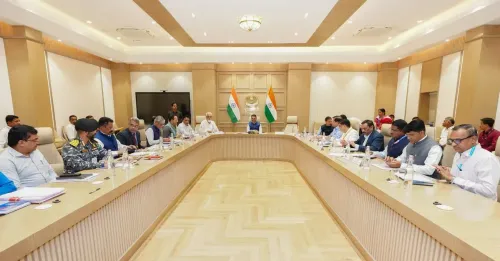
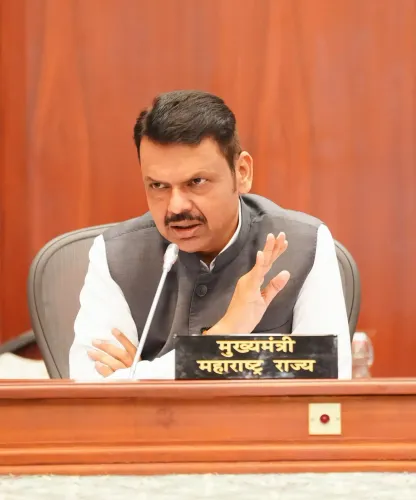
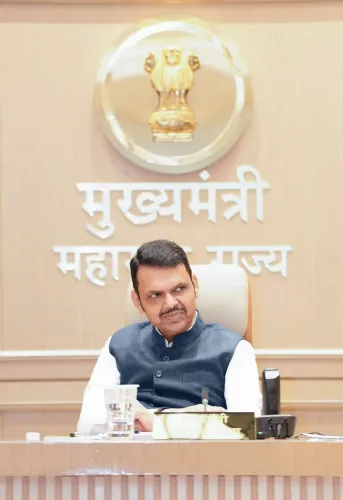
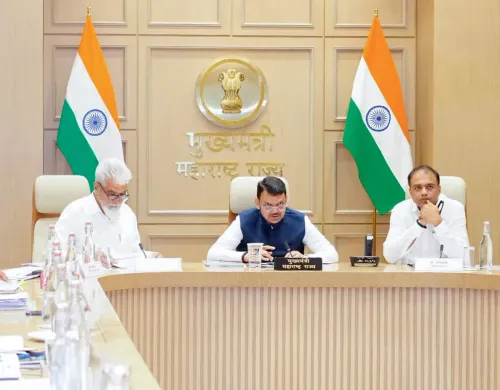
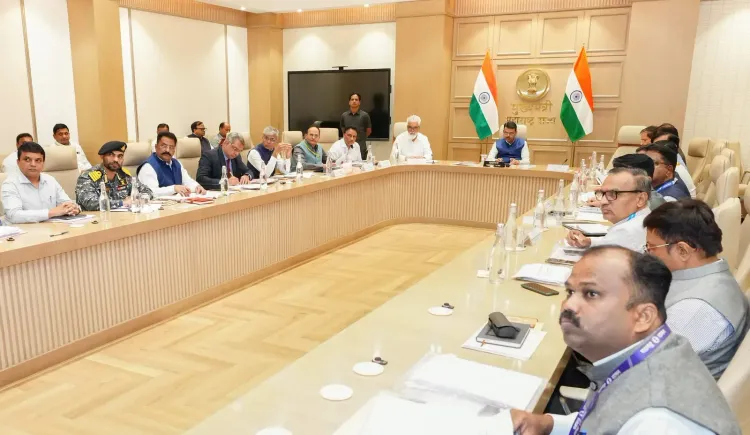
CM Devendra Fadnavis chaired a review meeting at Varsha residence, Mumbai , on 20 November 2026 on the Sainik School Improvement Policy committee report.
All 38 Maharashtra sainik schools will be classified into performance grades ('A' through 'D') based on academic, administrative, and military-training outcomes.
Top-performing 'A'-grade schools will receive incentives and infrastructure upgrades including solar-energy projects; chronic underperformers face strict administrative action.
A state-level monitoring committee and a Sainik School Regulatory Board will be established to increase the rate of student admissions into the National Defence Academy (NDA) .
An annual review cycle will track implementation progress across all sainik schools.
Minister Dadaji Bhuse and senior officials were present; cross-departmental coordination was mandated.
Maharashtra's 38 state-run sainik schools are about to face a reckoning. Chief Minister Devendra Fadnavis chaired a high-level meeting at Varsha residence, Mumbai, on Friday, 20 November 2026, to review the report of a committee formed under the state's Sainik School Improvement Policy — and the directives that emerged leave little room for underperformers.
A Four-Tier Report Card for 38 Schools
The committee's central recommendation is a performance grading system that slots all 38 sainik schools into five categories — broadly characterised as 'A' through 'D' — based on academic outcomes, administrative health, and military-training results. Schools that score at the top earn incentives, additional grants, and infrastructure upgrades such as solar-energy projects. Schools in the middle bracket get a structured window to improve. Schools that consistently trail face what the Chief Minister's Office bluntly called 'strict administrative action'.
Fadnavis backed the bulk of the committee's findings, instructing concerned departments to act on recommendations without delay. His directive was precise: 'गुणवत्तापूर्ण, पारदर्शक आणि उत्तरदायी व्यवस्था' — a system that is quality-driven, transparent, and accountable.
NDA Entry Rates: The North Star of the Reform
The clearest performance metric running through every directive is the rate at which Maharashtra students clear the National Defence Academy (NDA) entrance and earn commissions in the armed forces. The proposed institutional machinery — a state-level monitoring committee and a Sainik School Regulatory Board — is designed specifically to track and push that number upward.
Maharashtra's sainik school network traces its roots to the national programme launched in the early 1960s, conceived to build a steady officer pipeline into the armed forces. Decades on, the concern is consistency: some schools deliver results, others do not, and there has been no sustained accountability mechanism to close that gap. This policy is designed to be exactly that.
Incentives Up, Tolerance for Failure Down
Fadnavis directed that 'A'-grade schools receive formal recognition and tangible rewards. 'B'-grade schools must be actively encouraged to climb. For 'C' and 'D' schools, the instruction was explicit — strategic decisions must be taken and tough action followed through. The meeting also set an annual review rhythm: the entire school network is to be assessed once a year, with implementation of recommendations tracked at each cycle.
Minister Dadaji Bhuse and senior officials from the relevant departments were present. Cross-departmental coordination, the Chief Minister stressed, is non-negotiable — the reforms touch education, finance, and defence-training verticals simultaneously.
The next concrete marker to watch: whether the monitoring committee and regulatory board are formally constituted, and whether the first annual performance review triggers real consequence for the schools at the bottom of the grade sheet.
Point of View
The policy borrows from the competitive framework seen in central government school-ranking exercises. The explicit goal of raising NDA admission rates also frames the reform in national-security terms, giving it political salience beyond routine education policy. Whether the proposed regulatory board gains genuine teeth — or becomes another oversight body without enforcement power — will determine whether this meeting produces lasting change.
NationPress
20 Nov 2026
Frequently Asked Questions
What is the Maharashtra Sainik School Improvement Policy?
It is a state government framework to reform Maharashtra's 38 sainik schools by grading their performance, offering incentives to top schools, and taking administrative action against chronic underperformers, with the goal of increasing student intake into the National Defence Academy.
How many sainik schools are there in Maharashtra?
There are 38 state-run sainik schools in Maharashtra, all of which will be classified into performance categories under the new grading system.
What action will be taken against poor-performing sainik schools?
Schools in the 'C' and 'D' performance categories will face strategic policy decisions and strict administrative action, as directed by Chief Minister Devendra Fadnavis at the 20 November 2026 review meeting.
What is the role of the proposed Sainik School Regulatory Board?
The Sainik School Regulatory Board, to be established under the reform policy, will provide regular oversight of school operations, set quality benchmarks, and monitor progress towards increasing Maharashtra students' admission into the National Defence Academy.
Who attended the sainik school reform meeting in Mumbai?
Chief Minister Devendra Fadnavis chaired the meeting at Varsha residence, Mumbai, with Minister Dadaji Bhuse and senior officials from relevant departments in attendance.