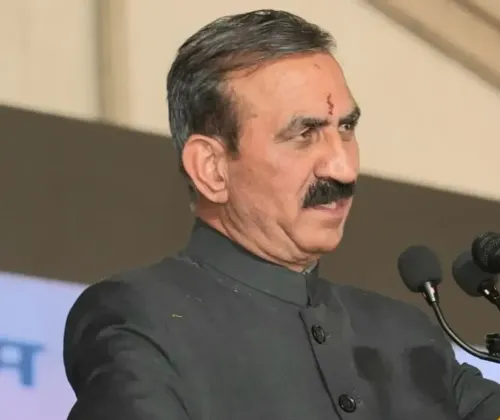
CM Sukhu raises Home Guard welfare aid up to Rs 25,000
Synopsis
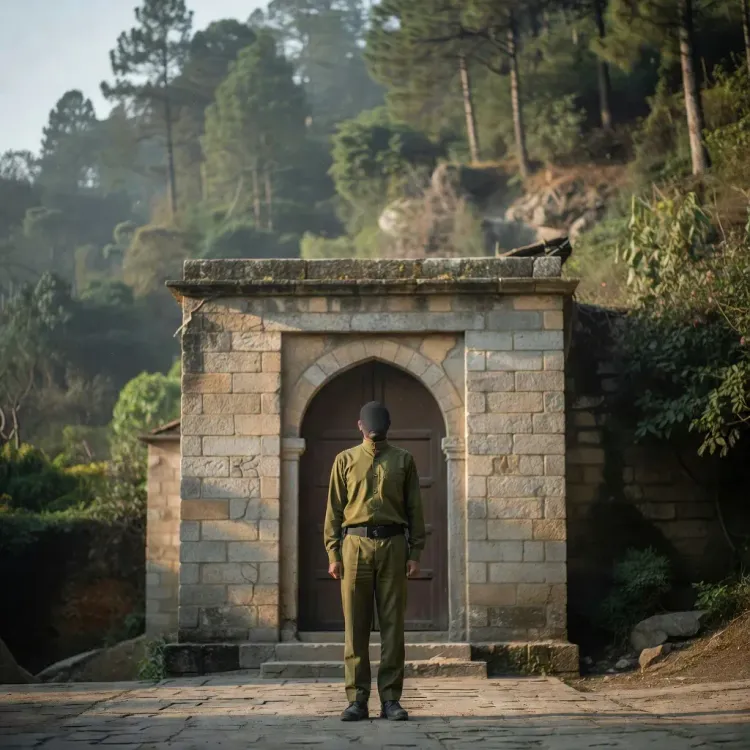
Himachal Pradesh CM Sukhvinder Singh Sukhu has raised crisis financial aid for Home Guards from Rs 10,000 to Rs 25,000 and introduced a Rs 1 lakh death benefit under the Rashtrapati Medhavi Sahayata Yojana, citing the state's duty to support jawans and their families.
Key Takeaways
CM Sukhvinder Singh Sukhu announced a revised welfare package for Himachal Pradesh Home Guards on 29 October 2026 .
Financial aid for serious illness, injury, or sudden crisis raised from Rs 10,000 to Rs 25,000 — a 150 per cent increase.
A new Rs 1 lakh death benefit for the families of Home Guards has been introduced.
The benefits fall under the Rashtrapati Medhavi Sahayata Yojana , Himachal Pradesh's welfare scheme for Home Guard personnel.
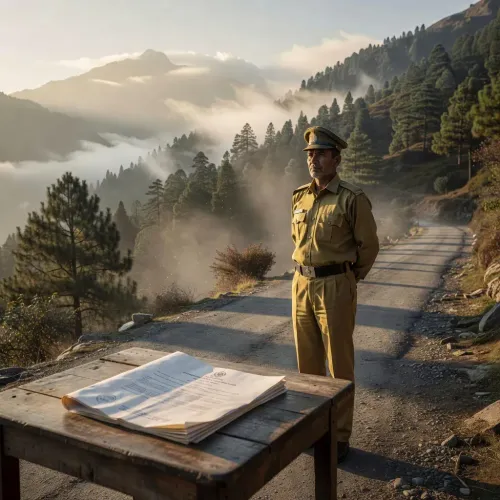
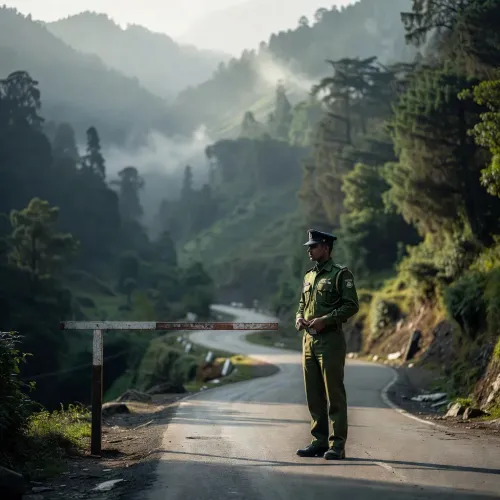
Home Guards are state-level auxiliary volunteers supporting police in law and order, elections, and disaster response.
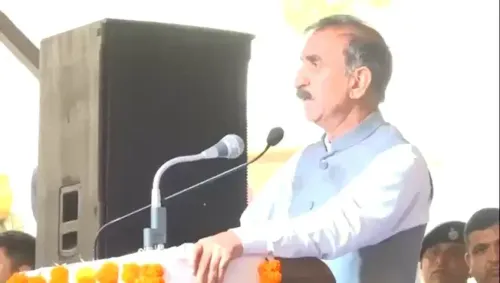
When a Home Guard jawan is rushed to hospital in the middle of the night, his family should not have to worry about the bill. Himachal Pradesh Chief Minister Sukhvinder Singh Sukhu has raised that assurance in concrete rupee terms, announcing a significant hike in financial assistance for Home Guards under the state's Rashtrapati Medhavi Sahayata Yojana on Thursday, 29 October 2026.
Posting in Hindi on X, CM Sukhu wrote: 'हमारे होमगार्ड जवान पूर्ण समर्पण और जिम्मेदारी के साथ समाज की सेवा में अहम भूमिका निभाते हैं।' ('Our Home Guard jawans play a vital role in serving society with complete dedication and responsibility.') He added that caring for them and their families is the government's obligation.What the revised scheme now offers Home Guards
Under the revised structure, the financial aid available to a Home Guard jawan facing a sudden serious crisis, illness, or injury has been more than doubled — from Rs 10,000 to Rs 25,000. In the event of a death, the family will now receive Rs 1 lakh. The scheme, the Rashtrapati Medhavi Sahayata Yojana, is specifically designed to provide economic relief for treatment costs and other urgent expenses during times of hardship.
The CM framed the revision as a direct state responsibility: to ensure that Home Guard personnel and their dependents receive 'economic support and financial relief for necessary expenses like treatment in difficult times.'
Home Guards in Himachal: who they are and what they do
Home Guards are a state-level auxiliary volunteer force that supplements regular police in maintaining law and order, managing disaster response, and supporting civil administration during elections and emergencies. Across Indian states, they occupy a demanding but often underpaid role at the frontier of public safety — deployed at short notice, frequently in difficult terrain, yet outside the full protective ambit of permanent police cadres.
Periodic upward revision of welfare benefits for such auxiliary forces is an acknowledged practice across Indian states, but the quantum of revision matters. A jump from Rs 10,000 to Rs 25,000 — a 150 per cent increase — and the introduction of a Rs 1 lakh death benefit signals a deliberate push, not a routine cost-of-living adjustment.
For a Congress government in Himachal Pradesh that has positioned welfare delivery as a core political identity, extending that promise to auxiliary security personnel broadens the constituency of state care — one jawan, and one family, at a time.
Point of View
Extending welfare optics beyond core rural beneficiary groups to uniformed volunteers — who vote and talk — is a politically shrewd low-cost move. The broader pattern mirrors what other Congress-governed states have done to shore up support among semi-formal public servants ahead of assembly cycles. Whether the scheme disbursements keep pace with the announcement will be the real test, and state budget allocations will tell that story.
NationPress
29 Oct 2026
Frequently Asked Questions
What is the Rashtrapati Medhavi Sahayata Yojana in Himachal Pradesh?
The Rashtrapati Medhavi Sahayata Yojana is a Himachal Pradesh government welfare scheme that provides financial assistance to Home Guard jawans during medical emergencies, serious illness, injury, or death.
How much financial aid will Home Guards get under the revised scheme?
Home Guards will now receive up to Rs 25,000 for sudden serious crisis, illness, or injury — up from Rs 10,000 — and Rs 1 lakh in the event of death, as announced by CM Sukhu on 29 October 2026.
Who are Home Guards in India?
Home Guards are state-level auxiliary volunteer forces that assist regular police in law and order duties, disaster relief, elections, and civil emergencies. They operate across Indian states under respective Home Guard Acts.
What welfare benefits does the Himachal Pradesh government provide to Home Guards?
Under the Rashtrapati Medhavi Sahayata Yojana, the Himachal Pradesh government now offers Rs 25,000 for medical or crisis situations and Rs 1 lakh as a death benefit following the October 2026 revision by CM Sukhu.
Why did CM Sukhu increase Home Guard financial assistance?
CM Sukhu stated that Home Guards serve society with full dedication and that caring for them and their families in difficult times — especially for treatment costs — is the government's responsibility.