Himachal CM Sukhu: Higher Education Must Equip Youth for Global Roles
Synopsis
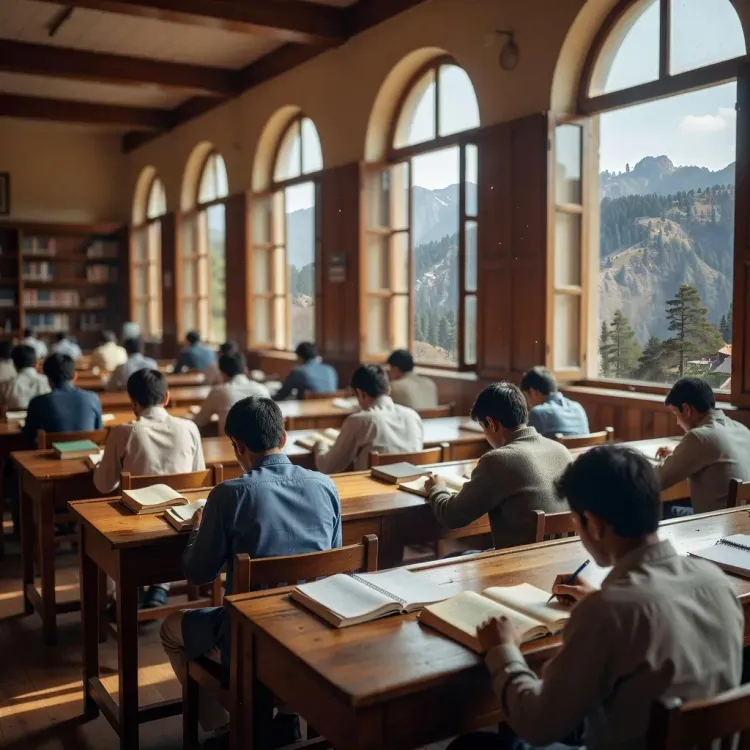
The Chief Minister's Office of Himachal Pradesh posted remarks by CM Sukhvinder Singh Sukhu pledging that the state's higher education system will empower youth through skills, research and innovation, preparing them for leadership roles aligned with changing global needs. The statement echoes the National Education Policy 2020's emphasis on employability without naming specific schemes.
Key Takeaways
The Chief Minister's Office of Himachal Pradesh posted remarks by CM Sukhvinder Singh Sukhu on higher education.
The statement frames skills, research and innovation as the core of university reform.
The vision aligns with the National Education Policy 2020 direction on employability and research.
No specific scheme, budget figure or institutional announcement was attached to the post.
Sukhu has led Himachal Pradesh as Chief Minister since December 2022 .
State budget and higher-education notifications will indicate how the vision is operationalised.
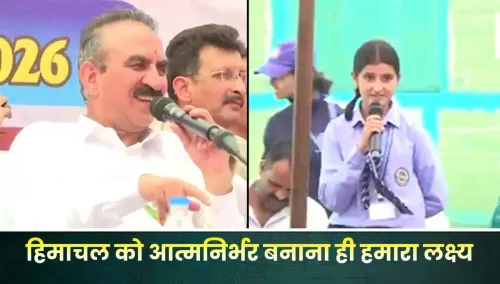
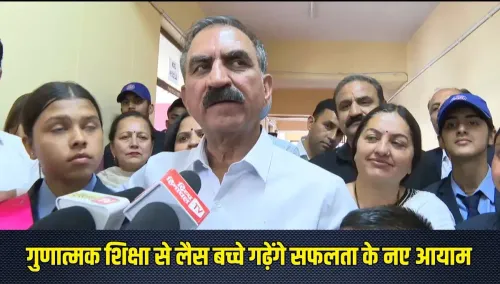
The Chief Minister's Office of Himachal Pradesh on Wednesday shared remarks from Chief Minister Sukhvinder Singh Sukhu outlining a vision for the state's higher education system, framing it as a vehicle to prepare young people for leadership roles in a shifting global economy. The post, published on the official handle, emphasised skills, research and innovation as the three pillars of that transition.
In the post, the Chief Minister said, translated from Hindi, 'Our higher education system will empower youth with skills, research and innovation, and prepare them to play leadership roles aligned with changing global needs.' The original Hindi line — हमारी उच्च शिक्षा व्यवस्था युवाओं को कौशल, अनुसंधान और नवाचार से सशक्त बनाकर (our higher education system will empower youth through skills, research and innovation) — sets the framing for the state's stated approach to university reform.
Context
Sukhvinder Singh Sukhu, who has led Himachal Pradesh as Chief Minister since December 2022, has periodically highlighted youth skilling and university modernisation as priorities for his government. The latest message keeps that thread visible on the official Chief Minister's Office channel without announcing a specific scheme, allocation or institutional change.
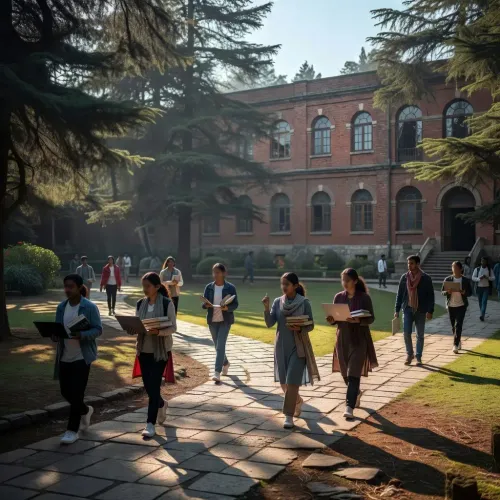
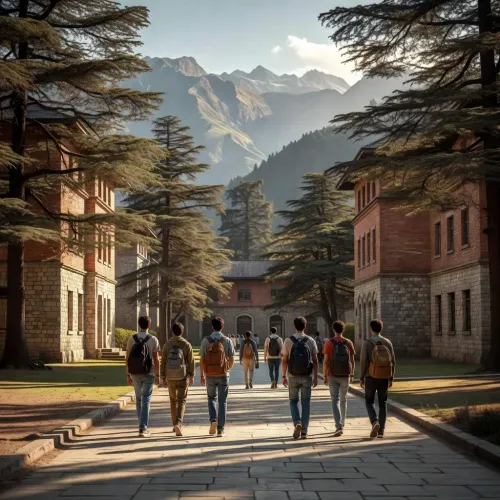
Himachal Pradesh's higher-education footprint includes public institutions such as Himachal Pradesh University in Shimla and the centrally funded IIT Mandi, alongside a network of state universities and affiliated colleges that serve students across the hill districts.
Policy backdrop
The Chief Minister's emphasis on skills, research and innovation aligns with the broader direction of the National Education Policy 2020, the central framework that replaced the 1986 education policy. The 2020 policy pushes Indian higher education toward multidisciplinary learning, vocational integration and a stronger research base, with national targets running to 2030.
Since 2023, several state governments have publicly mapped their higher-education priorities to the National Education Policy's language of employability and global competitiveness. The post from the Chief Minister's Office fits that wider pattern of state-level political messaging on youth and the labour market.
Stakeholders and impact
The most direct stakeholders are students enrolled in Himachal's state universities and affiliated colleges, along with faculty and administrators tasked with curriculum design. Employers in tourism, horticulture, hydropower, information technology and the wider services sector are also part of the chain that any skills-led reform would ultimately touch.
For students in remote districts such as Kinnaur, Lahaul-Spiti and Chamba, the practical question is how stated commitments to research and innovation translate into laboratory access, internships and industry linkages on the ground. The post itself does not specify mechanisms, timelines or funding.
What's next
The signals worth watching are forthcoming state budget speeches and higher-education department notifications that could detail new skill centres, research grants or curriculum revisions aligned with the National Education Policy. Any announcement on faculty recruitment, public-private partnerships with industry, or expansion of vocational streams within existing universities would give substance to the broad vision laid out in the post.
Until then, the statement from the Chief Minister's Office functions as a restatement of intent — keeping higher education and youth employability visible on the state government's public agenda as Himachal Pradesh navigates the same global skilling pressures confronting other Indian states.
Point of View
Keeping youth and higher education visible on the Himachal Pradesh government's public agenda. By foregrounding skills, research and innovation, the Chief Minister is borrowing the vocabulary of the National Education Policy 2020 while retaining state-level ownership of the narrative. The real test will be whether budgetary allocations and university-level notifications follow this messaging, especially in remote hill districts. For now, it slots into a broader Indian pattern of states recasting higher education as a labour-market instrument.
NationPress
16 Sept 2026
Frequently Asked Questions
What did Himachal CM Sukhvinder Singh Sukhu say about higher education?
He said the state's higher education system will empower youth through skills, research and innovation, and prepare them for leadership roles aligned with changing global needs. The remarks were shared on the official Chief Minister's Office handle on X.
Who is the Chief Minister of Himachal Pradesh?
Sukhvinder Singh Sukhu is the Chief Minister of Himachal Pradesh. He has held the post since December 2022 and represents the Congress party.
How does this align with the National Education Policy 2020?
The Chief Minister's emphasis on skills, research and innovation mirrors the National Education Policy 2020's push for multidisciplinary learning, vocational integration and a stronger research base in Indian higher education.
Did the post announce any new scheme or budget for Himachal universities?
No specific scheme, budget figure or institutional announcement was mentioned in the post. It was a broad vision statement on the direction of higher education in the state.
Which universities operate in Himachal Pradesh?
Himachal Pradesh's higher-education footprint includes Himachal Pradesh University in Shimla and the centrally funded IIT Mandi, along with other state universities and affiliated colleges across the state.