CM Sukhu Calls for New Revenue Streams to Cover HP's Losses
Synopsis
Chief Minister Sukhvinder Singh Sukhu has publicly directed Himachal Pradesh's administration to explore new revenue streams to cover fiscal losses — a signal the hill state's post-GST compensation crunch is now a front-line policy priority.
Key Takeaways
CM Sukhvinder Singh Sukhu has directed the Himachal Pradesh government to find new avenues to compensate for revenue losses, as stated in the official CMO post dated 16 November 2026 .
The central GST compensation to states ended in June 2022 after the guaranteed five-year period, leaving hill states with a structural revenue gap.
Himachal Pradesh has a narrow own-tax base and elevated public expenditure, making it more vulnerable than plains states to the post-compensation fiscal squeeze.
No specific new revenue measure was announced; the CM's directive is a policy mandate signalling that formal proposals are expected to follow.
Hydropower royalties, tourism levies, and state excise policy are among the most likely sectors any revenue review would examine.
With Himachal Pradesh's finances under structural strain and the central GST compensation safety net long gone, Chief Minister Sukhvinder Singh Sukhu has issued a pointed directive: find new ways to plug the revenue gap. The Chief Minister's Office of Himachal Pradesh posted the remark on X on Monday, 16 November 2026, quoting the CM's push for fresh revenue generation strategies.
What Sukhu Actually Said
The post carried the CM's direct words: 'राजस्व नुकसान की भरपाई के नए रास्ते तलाशे जाएँ' — 'New avenues must be explored to compensate for revenue losses.' Short, declarative, and unmistakably urgent in tone. It signals that the revenue crunch is no longer a background concern — it is now a front-room policy priority for the Sukhu government.
The GST Compensation Gap That Triggered This
The backdrop matters. The Centre's guaranteed GST compensation to states — a five-year cushion built into the 2017 GST rollout — ended in June 2022. For hill states like Himachal Pradesh, which have a narrow own-tax base relative to their public expenditure needs, the end of that regime hit harder than the plains states. The structural constraints are real: limited industrial activity, terrain that makes logistics expensive, and a large government workforce that keeps expenditure elevated.
Several states have been hunting for alternative revenue levers since the compensation window closed. Himachal Pradesh, four years on, is still navigating that transition — and CM Sukhu, who took office in December 2022 heading the Congress government, inherited both the fiscal gap and the pressure to close it.
What 'New Avenues' Could Mean for HP
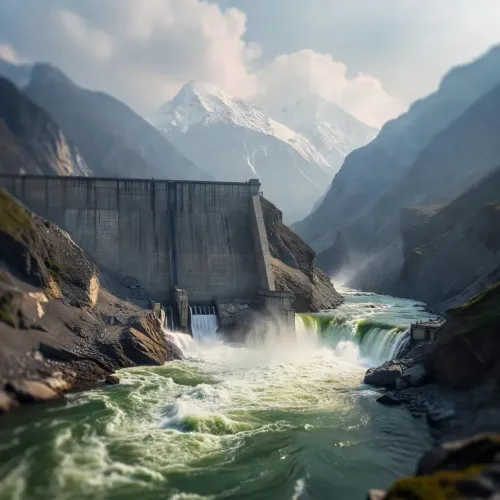
The CM's directive is directional, not yet specific — no new tax, no named scheme, no announced rate revision. But the signal itself is significant. State finance departments typically follow such public cues with internal reviews of royalty structures, state excise policy, tourism levies, and non-tax revenue from natural resources. Himachal Pradesh's hydropower sector and growing adventure-tourism economy are the two most obvious levers any such review would examine.
What the state budget documents and finance department statements say next will tell the full story — but Sukhu has now put the mandate on the table, publicly.
A hill state with constrained fiscal room just got a clear signal from the top: the search for revenue has officially become a government priority. Watch the next budget cycle closely.
Point of View
The post-GST compensation period has exposed a structural vulnerability that no single revenue measure can quickly fix — making the CM's statement as much a signal of intent as a policy trigger. The harder question is whether a hill state with limited industrial capacity can meaningfully diversify its revenue base without either hiking taxes on a constrained citizenry or deepening dependence on central transfers. The answer will show up in the state's next budget.
NationPress
16 Nov 2026
Frequently Asked Questions
Why is Himachal Pradesh facing revenue losses in 2026?
The central government's GST compensation to states ended in June 2022 after the guaranteed five-year period. Himachal Pradesh, as a hill state with a narrow own-tax base and high public expenditure, has faced a persistent fiscal gap since then.
What did CM Sukhu say about revenue losses?
CM Sukhvinder Singh Sukhu directed that 'new avenues must be explored to compensate for revenue losses,' as quoted in the official Chief Minister's Office post on 16 November 2026.
When did Sukhvinder Singh Sukhu become Chief Minister of Himachal Pradesh?
Sukhvinder Singh Sukhu became Chief Minister of Himachal Pradesh in December 2022, heading the Congress government.
What are the possible new revenue sources Himachal Pradesh could explore?
While the CM's directive did not name specific measures, Himachal Pradesh's hydropower sector royalties, tourism levies, state excise policy, and non-tax revenues from natural resources are the most commonly examined levers in such fiscal reviews.
How did the end of GST compensation affect hill states?
Hill states like Himachal Pradesh were more exposed than plains states because their own-tax base is structurally smaller relative to their spending needs. The loss of the guaranteed GST compensation top-up removed a significant revenue buffer.