Has India's road transport infrastructure experienced a significant transformation?
Synopsis
In a landmark judgment, the Supreme Court commends India for its impressive journey towards modernizing road transport. This article explores the significant advancements in infrastructure, technological integration, and their impact on economic growth, while emphasizing the need for continued collaboration between state transport departments.
Key Takeaways
Significant transformation in India's road transport infrastructure.
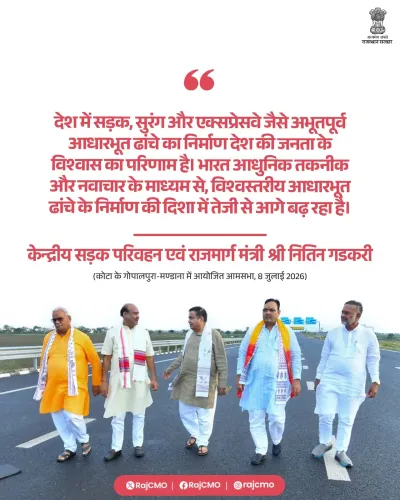
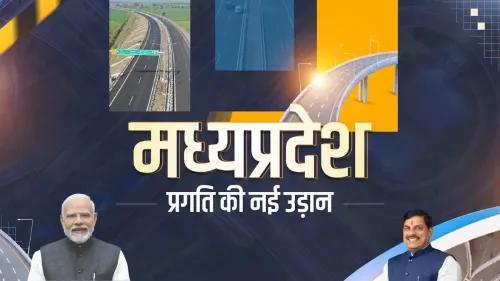
Development of an intricate network of highways.
Improved last-mile connectivity for remote areas.
Technological advancements enhancing public transport.
Encouragement for collaboration between state transport departments.
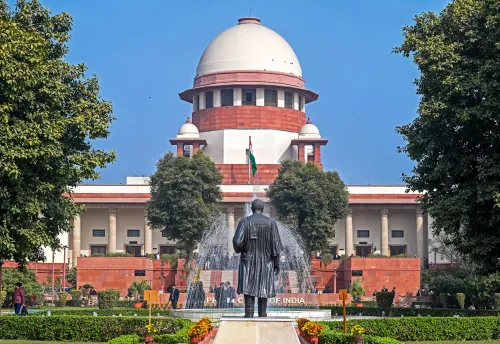
New Delhi, Nov 5 (NationPress) The Supreme Court has praised India for its exceptional advancements in road transport infrastructure, noting that the nation has witnessed a remarkable transformation in its travel and transport ecosystem.
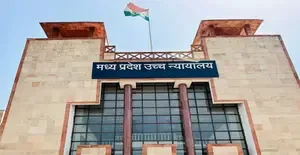
A bench comprising Justices Dipankar Datta and Augustine George Masih, while delivering a ruling on a series of appeals regarding inter-state transport permits between Uttar Pradesh and Madhya Pradesh, applauded the significant leap in India's road infrastructure.
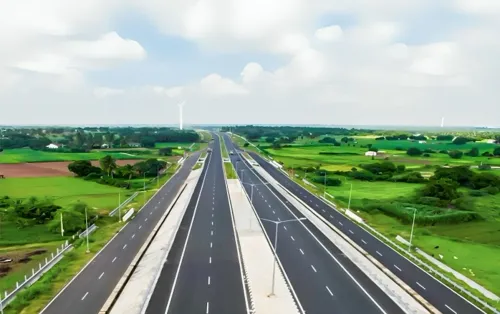
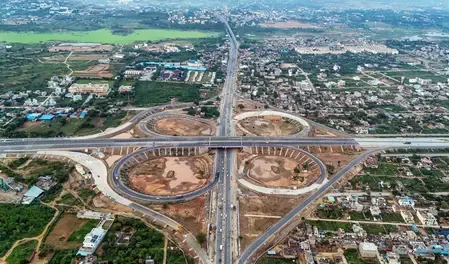
"Having moved past modest beginnings, the emphasis on infrastructure enhancement has made a notable leap. In this century, India has constructed a complex network of highways that facilitates accessibility from the most remote villages to nearby cities and towns, thus establishing 'last-mile connectivity'," stated the bench led by Justice Datta.
The apex court further remarked that expressways have accelerated the movement of individuals and goods across long distances, significantly reducing travel time and propelling economic development.
"These highways and expressways are reshaping India’s transportation framework and fostering economic advancement, among other benefits," it noted.
The judgment, which addressed conflicts over inter-state reciprocal transport permits under the Motor Vehicles Act of 1988, dedicated an entire section to acknowledging India’s wider progress in modernizing public transport.
"What is particularly noteworthy," the bench commented, "is the improved surface quality of these highways and expressways. With modern vehicles now in use, stage carriage service operators have been able to offer a level of comfort and convenience that rivals services found internationally."
It also emphasized how technological advancements have revolutionized public transport operations, commending State Road Transport Corporations (SRTCs) for their commitment to digitization and sustainability.
"Digitalization has been transformative. Embracing technology to enhance services and improve customer experiences is essential for these corporations," the apex court noted, highlighting initiatives such as e-ticketing, mobile tracking applications, and electric buses.
"With ongoing innovation and investment, the road transport sector appears to have made strides toward achieving greater efficiency, sustainability, and accessibility," it added.
The Supreme Court further urged the Principal Secretaries of the Transport Departments of Uttar Pradesh and Madhya Pradesh to convene within three months to "develop modalities" for the reciprocal transport agreement and ensure that "public interest is not compromised."
Point of View
It is crucial to acknowledge the Supreme Court's recognition of India's progress in road transport. Such advancements not only reflect the government's commitment to infrastructure development but also underscore the importance of collaboration between states. This is a vital step in ensuring public interest remains paramount in such transformative initiatives.
NationPress
27 Sept 2026
Frequently Asked Questions
What did the Supreme Court say about India's road transport?
The Supreme Court praised India's significant advancements in road transport infrastructure, highlighting the remarkable transformation in travel and transport.
What are the benefits of the new highways and expressways?
These highways and expressways enable faster movement of people and goods, significantly reducing travel time and promoting economic growth.
How has technology influenced public transport in India?
Technological integration has revolutionized public transport operations, with State Road Transport Corporations adopting digital solutions like e-ticketing and mobile apps.
What is the significance of last-mile connectivity?
Last-mile connectivity ensures that even the most remote villages are accessible from nearby cities, enhancing overall transportation efficiency.
What steps did the Supreme Court recommend for state transport departments?
The court advised the Principal Secretaries of the Transport Departments of Uttar Pradesh and Madhya Pradesh to meet within three months to establish modalities for reciprocal transport agreements.