Supreme Court Clears Night Stays in Uttarakhand's Bugyals
Synopsis
The Supreme Court of India has permitted overnight stays in Uttarakhand's world-famous bugyals, sparking excitement among trekkers and adventure tourism operators. Chamoli district, home to several iconic alpine meadows, is central to the development. State implementation details are now awaited.
Key Takeaways
The Supreme Court of India has granted permission for night stays in Uttarakhand's high-altitude bugyals.
Chamoli district is specifically highlighted, home to several of the state's most celebrated alpine meadows.
Bugyals are fragile Himalayan ecosystems that have historically faced strict restrictions on camping and overnight activity.
The ruling has generated strong enthusiasm among trekkers and adventure tourism operators across India.
State government notifications on permitted bugyals, seasonal conditions, and monitoring norms are yet to be issued.
The development marks a significant alignment between judicial sanction and Uttarakhand's adventure tourism promotion goals.
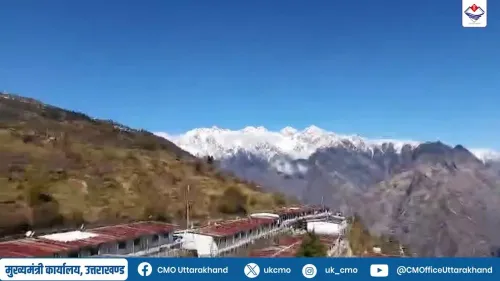
High in the Himalayas, above the treeline, lie Uttarakhand's bugyals — vast, rolling alpine meadows that trekkers have long dreamed of sleeping under the stars in. Now, the Supreme Court of India has made that possible, permitting night stays in these world-famous meadows and sending a wave of excitement through the adventure tourism community.
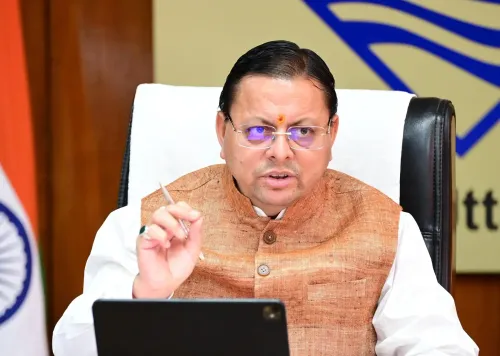
The Chief Minister's Office of Uttarakhand announced on 31 July 2026 that the apex court's permission has been met with enthusiasm among trekkers and adventure tourism enthusiasts across the country. The post, tagging #Uttarakhand and #Chamoli, signals that Chamoli district — home to some of the most celebrated bugyals in the state — is at the centre of this development.
What Are Bugyals and Why Do They Matter
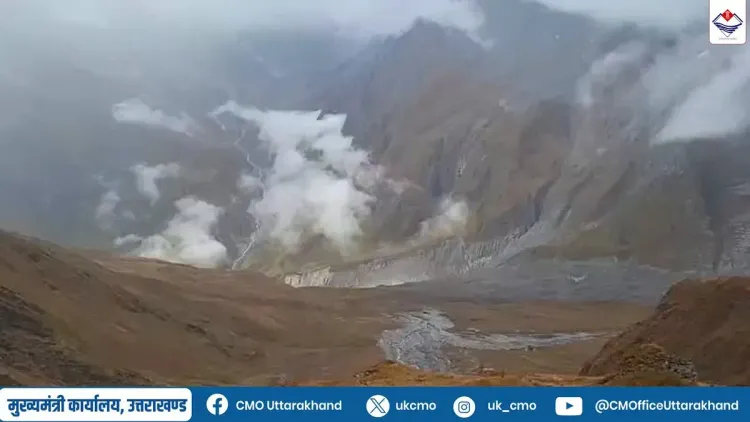
Bugyals are high-altitude grasslands found across Uttarakhand's Himalayan belt, functioning as fragile ecosystems that support unique biodiversity. They have historically attracted trekkers from across India and the world, but camping and overnight stays in these zones have been tightly restricted due to their ecological sensitivity. The tension between conservation and access has defined the policy debate around these meadows for years.
The Supreme Court of India, which has repeatedly weighed in on human activity in alpine and forest zones — addressing issues from waste management to seasonal access limits — has now moved to expand permissible activity, at least in the form of regulated overnight stays.
Chamoli's Bugyals at the Heart of the Ruling
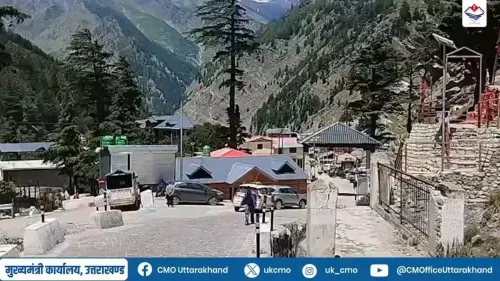
Chamoli district contains several of Uttarakhand's most iconic bugyals and serves as a gateway to high-altitude trekking circuits. The district's inclusion in the post's hashtags suggests these meadows are among those now open for night camping. For adventure tourism operators in the region, the ruling represents a significant commercial and experiential opportunity — one that could reshape trekking itineraries across the state.
Uttarakhand has long positioned itself as India's premier adventure tourism destination, and the state government has consistently sought to expand access to its Himalayan terrain while navigating judicial scrutiny. This ruling aligns judicial sanction with that broader promotional push.
What Trekkers and Operators Should Watch For
Enthusiasm aside, the practical details will determine how transformative this ruling proves to be. State government notifications specifying which bugyals are covered, what seasonal conditions apply, how many trekkers can stay overnight, and what monitoring mechanisms will be enforced — these are the specifics that turn a court order into a trekking reality. Environmental impact assessments may also follow as the state moves to implement the permission on the ground.
The bugyals are fragile. The court's green light is also a test of whether regulated access can coexist with preservation — and Uttarakhand's administration will be expected to prove it can.
Point of View
The ruling is both a political win and an administrative test: the state must now demonstrate that it can enforce responsible tourism without degrading the very landscapes that make the bugyals valuable. How it handles permits, visitor caps, and waste management will be watched closely by conservationists and the courts alike.
NationPress
31 Jul 2026
Frequently Asked Questions
What are bugyals in Uttarakhand?
Bugyals are high-altitude alpine meadows found in the Himalayan ranges of Uttarakhand. They are ecologically fragile grasslands above the treeline that serve as unique biodiversity zones and are popular trekking destinations, particularly in districts like Chamoli.
Has the Supreme Court allowed camping in Uttarakhand bugyals?
Yes, the Supreme Court of India has permitted night stays in Uttarakhand's bugyals, according to an announcement by the Chief Minister's Office of Uttarakhand on 31 July 2026. Specific details on which bugyals are covered and what conditions apply are expected in state government notifications.
Which district in Uttarakhand has famous bugyals for trekking?
Chamoli district is home to several of Uttarakhand's most well-known bugyals and is a major hub for high-altitude trekking. The Supreme Court ruling on night stays specifically highlights Chamoli in the official government communication.
Why were overnight stays in bugyals restricted before?
Bugyals are fragile ecosystems, and the judiciary and state authorities had imposed restrictions on camping and overnight stays to protect biodiversity, manage waste, and limit the ecological footprint of tourism in these sensitive Himalayan zones.
What happens next after the Supreme Court's bugyal night stay permission?
The Uttarakhand government is expected to issue detailed notifications specifying which bugyals are open for overnight stays, applicable seasons, visitor limits, and monitoring mechanisms. Environmental impact assessments may also be undertaken as implementation proceeds.