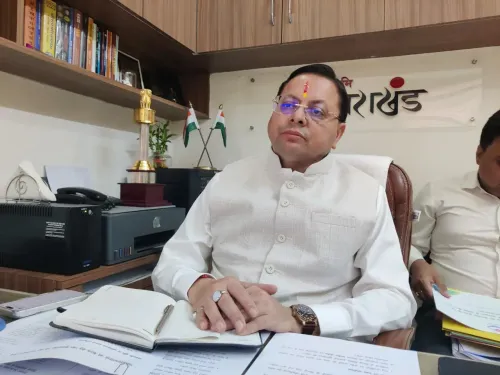
CM Dhami Orders SOP, Night Vehicle Ban for Char Dham Yatra
Synopsis
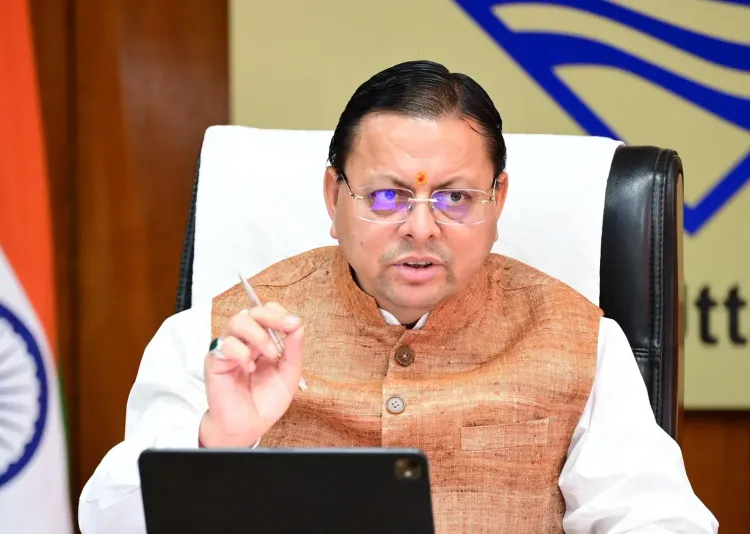
Uttarakhand CM Pushkar Singh Dhami on June 2 directed officials to draft a Char Dham Yatra SOP and enforce a 10 PM–4 AM vehicle ban, while ordering 24x7 landslide surveillance and coordinated SDRF-NDRF deployment ahead of the monsoon season.
Key Takeaways
CM Pushkar Singh Dhami chaired a Char Dham Yatra review meeting at the Uttarakhand secretariat on June 2, 2026 .
Officials were directed to prepare a formal SOP for smooth, safe, and orderly pilgrim movement along yatra routes.
A strict 10 PM to 4 AM vehicle ban on yatra routes is to be enforced; heavy vehicles restricted to night-time operations only.
24×7 surveillance of landslide-prone stretches ordered, with coordinated deployment of SDRF, NDRF, police , and district administration.
Basic amenities must be ensured at all pilgrim halting and stoppage points along the route.
Cabinet Minister Satpal Maharaj , MLA B.S.
Chaudhary , and legislator Anil Nautiyal attended the review meeting.
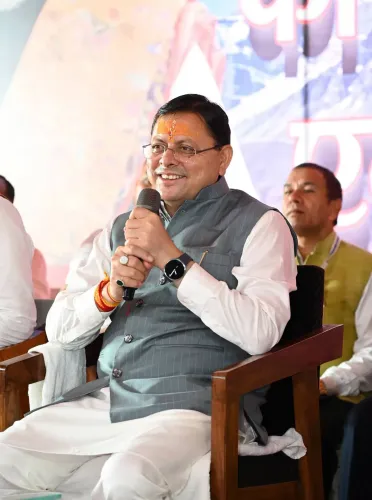
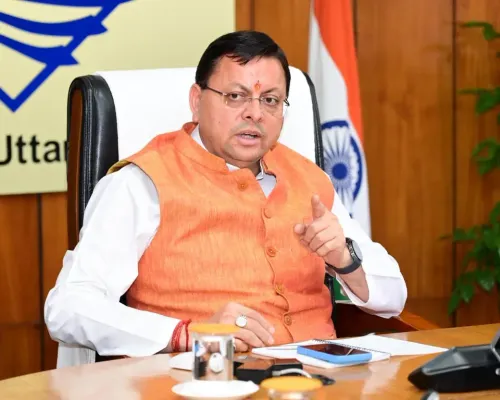
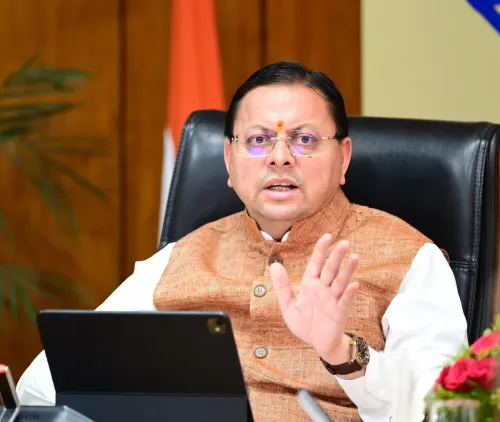
Uttarakhand Chief Minister Pushkar Singh Dhami chaired a high-level review meeting at the state secretariat on Tuesday, June 2, 2026, directing officials to prepare a standard operating procedure (SOP) for the Char Dham Yatra and to strictly enforce a ban on vehicular movement along yatra routes between 10 PM and 4 AM.
Context
Addressing officials at the secretariat, CM Dhami underscored that heavy vehicles must be restricted to night-time operations only on yatra routes — a measure aimed at keeping daytime corridors clear for pilgrims. He directed that wherever devotees are halted or accommodated along the route, adequate basic amenities must be in place.
In his post on X, the Chief Minister stated: 'Shraddhaaluon ke liye sugam, surakshit aur vyavasthit darshan sunishchit karne hetu SOP taiyar karne ke nirdesh diye' — ('Instructions were given to prepare an SOP to ensure smooth, safe and orderly darshan for devotees'). He also noted that the Char Dham Yatra is drawing large numbers of pilgrims and footfall is expected to rise sharply, boosting both tourism and local trade.
Policy Backdrop
The night vehicle ban and pre-monsoon secretariat-level reviews are part of a governance framework that Uttarakhand has refined since the catastrophic 2013 Kedarnath floods, which killed thousands and exposed the state's vulnerability to Himalayan weather events. Annual reviews, SOPs, and coordinated force deployments have since become standard protocol before and during the pilgrimage season.
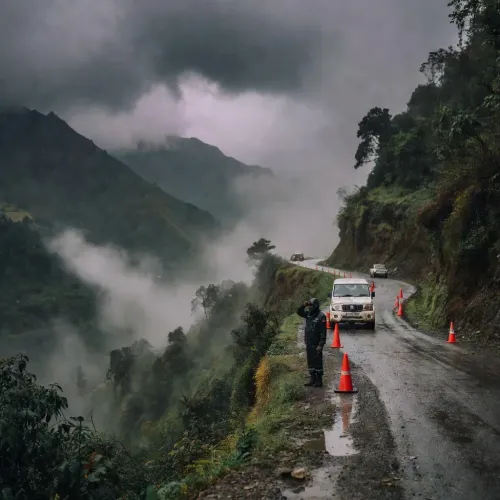
CM Dhami directed officials to maintain 24×7 surveillance of sensitive and landslide-prone stretches on yatra routes in view of the approaching monsoon. He ordered coordinated deployment of the State Disaster Response Force (SDRF), the National Disaster Response Force (NDRF), police, and district administration, alongside fully activated traffic management, parking arrangements, medical facilities, and disaster relief resources.
Stakeholders and Impact
The directives directly affect pilgrims travelling to the four sacred shrines — Yamunotri, Gangotri, Kedarnath, and Badrinath — as well as local traders and hill residents whose livelihoods depend on the yatra season. The Chief Minister explicitly acknowledged that rising pilgrim numbers are expanding commerce for local communities, framing safety infrastructure as an enabler of economic activity rather than a constraint on it.
Cabinet Minister Satpal Maharaj, MLA B.S. Chaudhary, and legislator Anil Nautiyal were present at the review meeting, signalling cross-departmental political ownership of the yatra's management.
What's Next
The immediate test will be the rollout of the SOP and compliance with the 10 PM–4 AM vehicle ban as pilgrim volumes peak through the monsoon months. Officials have been tasked with ensuring that halting-point amenities are operational before the anticipated surge in footfall. The effectiveness of the SDRF-NDRF-police coordination framework will be closely watched as the state enters its most weather-sensitive period on the Himalayan corridors.
Point of View
Not a brake on it. The presence of cabinet ministers and legislators at the review broadens accountability and suggests the administration wants visible political ownership of any outcome during the high-risk monsoon window. How swiftly the SOP is operationalised and whether the vehicle ban is actually enforced will determine whether this meeting translates into on-ground impact.
NationPress
20 Oct 2026
Frequently Asked Questions
What is the vehicle ban timing on Char Dham Yatra routes in 2026?
CM Dhami has ordered a strict ban on all vehicular movement on Char Dham Yatra routes between 10 PM and 4 AM . Heavy vehicles are additionally restricted to night-time operations only, keeping daytime corridors clear for pilgrims.
Why is Uttarakhand holding a review meeting for Char Dham Yatra 2026?
The review was held to prepare an SOP for pilgrim safety, enforce the night vehicle ban, and activate disaster response infrastructure — including SDRF and NDRF deployments — ahead of the monsoon season when landslide risks rise sharply.
Which forces are being deployed for Char Dham Yatra monsoon safety?
CM Dhami ordered coordinated deployment of the SDRF (State Disaster Response Force) , NDRF (National Disaster Response Force) , police, and district administration for 24x7 monitoring of sensitive and landslide-prone stretches.
Who attended the Char Dham Yatra review meeting with CM Dhami?
Cabinet Minister Satpal Maharaj , MLA B.S. Chaudhary , and legislator Anil Nautiyal were present at the secretariat-level review meeting chaired by CM Dhami on June 2, 2026.
What are the four Char Dham pilgrimage sites in Uttarakhand?
The four sacred shrines that form the Char Dham circuit in Uttarakhand are Yamunotri, Gangotri, Kedarnath , and Badrinath , drawing hundreds of thousands of pilgrims each year from across India.