Tejasvi Surya Claims 'Goonda Raj' and Deindustrialisation in Bengal Under Trinamool Governance
Synopsis
In a powerful address, BJP MP Tejasvi Surya criticized the Trinamool Congress for fostering violence and deindustrialisation in West Bengal, claiming a significant threat to Bengali identity and culture. As elections approach, he emphasizes the need for change and the BJP's commitment to restoring Bengal’s legacy.
Key Takeaways
Tejasvi Surya criticizes Trinamool Congress for violence and deindustrialisation.
Claims illegal infiltration threatens Bengali identity .
BJP aims to protect culture and create job opportunities.
Surya highlights contrast with Karnataka's development.
Public sentiment indicates a desire for change in governance.
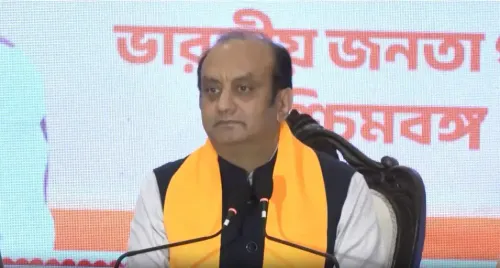
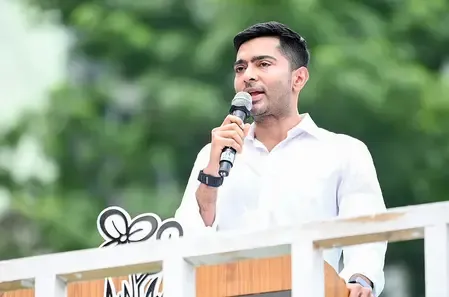
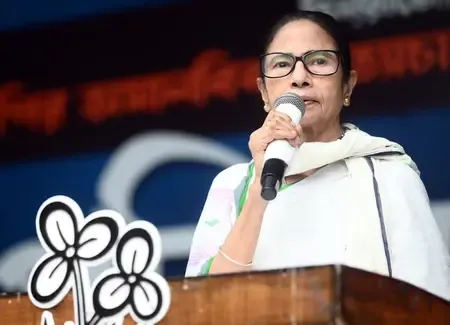
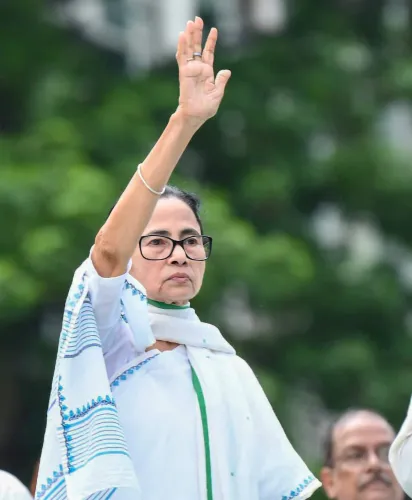
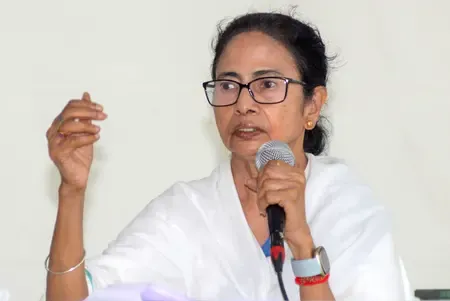
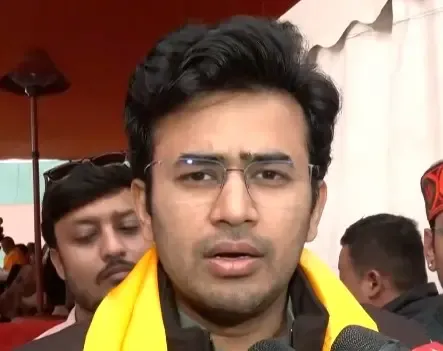
Darjeeling, April 15 (NationPress) Bharatiya Janata Party (BJP) MP Tejasvi Surya on Wednesday accused the Trinamool Congress of perpetuating a culture of violence in West Bengal, claiming it has resulted in the state's deindustrialisation. While campaigning for the upcoming Assembly elections on April 23 and 29, Surya asserted that the essence of Bengali identity, culture, and pride is being jeopardized under the governance of Mamata Banerjee, the Chief Minister and leader of the Trinamool Congress.
Surya remarked, "Local resources are being compromised by permitting illegal infiltration and issuing essential documents such as ration cards, Aadhaar cards, and voter IDs to these individuals," during his address to reporters.
The BJP leader further asserted that this infiltration policy is a deliberate conspiracy by the Trinamool Congress aimed at expanding its electoral base, which he believes undermines Bengali identity and culture.
He emphasized that the BJP stands firmly against illegal infiltration, stating: "Our mission is to safeguard Bengal’s rich culture, its language, and the employment opportunities available to the youth of the state."
Referring to Bengal's legacy as the home of Swami Vivekananda, he expressed, “West Bengal was once celebrated as the intellectual and cultural capital of India. However, the current regime of the Trinamool Congress has facilitated a state of deindustrialisation.”
He also contrasted the development trajectories of West Bengal and Karnataka.
"In Bengaluru, where countless Bengali youths reside and thrive, many travel there seeking quality medical care in the city's prestigious hospitals and colleges. Why are they compelled to go thousands of kilometers to cities like Delhi, Mumbai, Pune, and Bengaluru?" he questioned.
"For the past 15 years, why hasn’t a major hospital, university, or any globally recognized skill development institution been established in West Bengal? In reality, substantial industries are exiting the state. This is the unfortunate trend in Bengal over the last two decades," he alleged.
Surya claimed that there is growing discontent with the Trinamool Congress-led government, with a widespread desire for change.
"Whether in the hills or the plains, a palpable atmosphere of transformation is evident throughout northern West Bengal. The Trinamool government has ruled for 15 years, embroiled in corruption, oppression, and mismanagement. Safety is a major concern for all—women and youth alike—and the populace has lost faith," he reiterated.
He expressed his belief that the BJP is poised for its most significant victory in the state this time around.
"This will usher in a new era of progress for West Bengal," he confidently asserted.
Point of View
The statements made by BJP MP Tejasvi Surya reflect a broader narrative in Indian politics regarding regional governance and identity. His allegations against the Trinamool Congress underline the contentious atmosphere leading up to the elections, with both sides vying for public support amid claims of misgovernance and cultural compromise.
NationPress
19 Sept 2026
Frequently Asked Questions
What are the main accusations made by Tejasvi Surya?
Tejasvi Surya accused the Trinamool Congress of fostering violence and enabling deindustrialisation in West Bengal, claiming that it harms the state's culture and identity.
What does Surya suggest is the impact of illegal infiltration?
Surya suggests that illegal infiltration is a conspiracy by the Trinamool Congress to expand its voter base at the expense of Bengali identity and resources.
What does Surya propose as necessary for West Bengal's future?
Surya advocates for the protection of Bengal's culture, language, and employment opportunities, asserting that the BJP aims to restore the state's legacy.
How does Surya compare West Bengal to Karnataka?
Surya contrasts West Bengal's development with Karnataka's, questioning why major institutions are lacking in West Bengal while many Bengalis seek opportunities in Bengaluru.
What is the current sentiment among the people of West Bengal according to Surya?
Surya claims that there is a growing anger towards the Trinamool Congress-led government, with a strong desire for change among the populace.