Suzuki Motor Eyes Haryana for Future EV Plant, CEO Pledges More Investment
Synopsis
Suzuki Motor CEO Toshihiro Suzuki told Haryana CM Nayab Singh Saini that if the company sets up a future EV plant, Haryana is their top pick. With hybrid vehicles confirmed for the Kharkhoda plant and nine biogas facilities planned, Suzuki's India ambitions are entering a transformative new chapter.
Key Takeaways
Suzuki Motor CEO Toshihiro Suzuki met Haryana CM Nayab Singh Saini in New Delhi on April 23 and pledged continued investment expansion in the state.
Haryana is Suzuki's preferred destination for a future electric vehicle manufacturing plant , should the company decide to enter EV production.
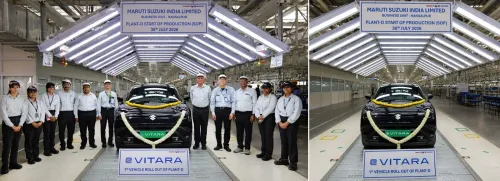
Strong hybrid vehicles will be manufactured at Suzuki's Kharkhoda plant in Haryana, with the state government assuring full support for production and sales.
Suzuki Motor plans to establish nine compressed biogas plants in India; two are already operational , marking a significant clean energy push.
Suzuki Motor is the only company to have received exclusive SGST incentives from the Haryana government .
An International Gita Jayanti Mahotsav will be held in Japan in June , with CEO Toshihiro Suzuki invited to the International Gita Seminar at Tokyo University on June 20 .
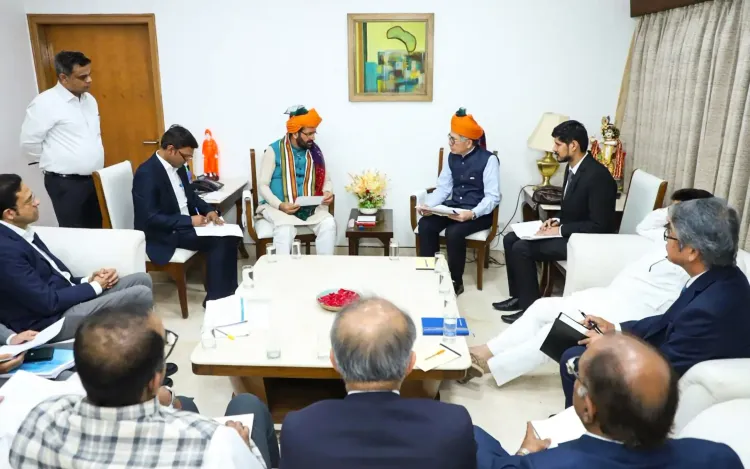
Haryana Chief Minister Nayab Singh Saini met Suzuki Motor Corporation CEO Toshihiro Suzuki in New Delhi on Thursday, April 23, where the Japanese automaker's top executive reaffirmed the company's commitment to deepening its footprint in Haryana and signalled that the state could become the preferred destination for a future electric vehicle (EV) manufacturing plant. The high-level meeting underscored the strengthening industrial and cultural bonds between India and Japan.
Haryana as Preferred EV Investment Destination
CEO Toshihiro Suzuki stated clearly that if Suzuki Motor decides to manufacture electric vehicles and establish a new production facility in the future, Haryana would be their first choice for investment. This is a significant signal for the state's industrial landscape, given that EV manufacturing is one of the most competitive and high-value sectors in India's evolving automotive ecosystem.
In the near term, the CEO confirmed that Suzuki Motor will concentrate on hybrid and CNG vehicles for the Indian market, reflecting a phased approach to clean mobility rather than an abrupt pivot to full electrification. He also confirmed that strong hybrid vehicles will be manufactured at the company's Kharkhoda plant in Haryana.
Biogas Expansion and Green Energy Push
Toshihiro Suzuki revealed that the company is making substantial strides in the compressed biogas (CBG) sector and intends to scale up investment in this domain. Suzuki Motor plans to establish nine biogas plants across India, of which two have already been operationalised. This positions Suzuki as not just an automaker but a broader clean energy player in India's green transition.
CM Saini assured the CEO of the Haryana government's full cooperation in facilitating smooth production and sales operations, reinforcing the state's reputation as an investor-friendly destination.
Exclusive SGST Incentives and Long-Standing Partnership
Chief Minister Saini highlighted that Suzuki Motor holds a unique distinction — it is the only company to have received SGST (State Goods and Services Tax) incentives from the Haryana government, underscoring the depth of the state's commitment to retaining and rewarding the Japanese automaker's presence. This exclusive benefit reflects the economic significance Suzuki commands in the region, particularly through its parent relationship with Maruti Suzuki, which has been manufacturing in Gurugram and Manesar for decades.
Reflecting on Suzuki's India journey dating back to 1982–83, CEO Toshihiro Suzuki acknowledged that while working styles between India and Japan differ, the deep cultural and operational similarities have been the bedrock of a four-decade-strong partnership. This historical continuity gives Suzuki's renewed investment pledges added credibility.
Cultural Diplomacy: Gita Jayanti Mahotsav in Japan
CM Saini announced that an International Gita Jayanti Mahotsav will be organised in Japan in June to strengthen cultural ties between Haryana and Japan. He personally invited CEO Toshihiro Suzuki to attend the International Gita Seminar as a distinguished guest at Tokyo University on June 20.
The Chief Minister also requested Suzuki's CEO to facilitate a collaboration between the Kurukshetra Development Board and a reputed Japanese social organisation to ensure broader participation of Japanese citizens in the cultural event. CEO Toshihiro Suzuki agreed to consider the proposal, signalling goodwill beyond the boardroom.
Why This Investment Signal Matters for Haryana
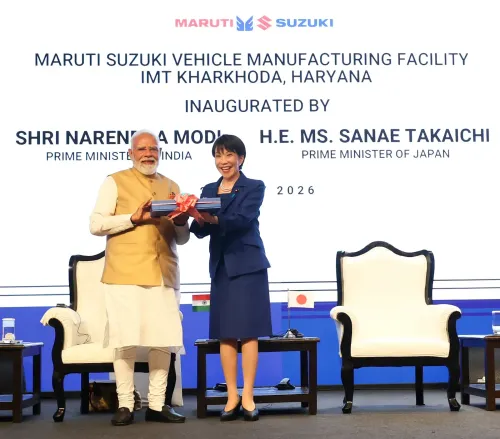
This meeting comes at a pivotal moment for Haryana's industrial policy. The state has been aggressively positioning itself as a manufacturing hub, and a potential Suzuki EV plant would represent one of the largest greenfield automotive investments in the region. The Kharkhoda industrial corridor, already earmarked for Maruti Suzuki's expansion, could anchor an entire EV supply chain ecosystem — generating thousands of direct and indirect jobs.
Notably, Maruti Suzuki's parent company Suzuki Motor has been navigating India's EV transition cautiously, prioritising hybrids and CNG as intermediate steps — a strategy that diverges from some rivals but aligns with India's current fuel and infrastructure realities. Haryana's proactive outreach, including exclusive fiscal incentives, appears to be bearing fruit in securing future commitments.
With the Kharkhoda plant set to begin hybrid vehicle production and nine biogas plants in the pipeline, Suzuki Motor's India strategy is entering a transformative new phase — and Haryana is positioning itself at the centre of it. All eyes will now be on the June 20 Tokyo University event and any formal investment announcements that may follow.
Point of View
Exclusive state incentives, and an expanding Kharkhoda corridor. While rivals race to announce EV commitments, Suzuki's hybrid-first, biogas-parallel strategy reflects a pragmatic read of India's energy realities that most competitors are ignoring. The Haryana government's exclusive SGST concession to Suzuki raises legitimate questions about the competitive fairness of state industrial policy — but it also demonstrates that targeted incentives can anchor transformative long-term investment. The real test will be whether today's assurances translate into signed agreements before election cycles shift political priorities.
NationPress
20 Sept 2026
Frequently Asked Questions
What did Suzuki Motor CEO say about investing in Haryana?
Suzuki Motor CEO Toshihiro Suzuki said that if the company decides to manufacture electric vehicles and set up a new plant in the future, Haryana would be their preferred investment destination. He also reaffirmed the company's commitment to expanding existing investments in the state.
What vehicles will Suzuki manufacture at the Kharkhoda plant?
Suzuki Motor will manufacture strong hybrid vehicles at its Kharkhoda plant in Haryana. The CEO confirmed this during his meeting with Chief Minister Nayab Singh Saini on April 23 in New Delhi.
How many biogas plants is Suzuki Motor planning in India?
Suzuki Motor plans to set up nine compressed biogas (CBG) plants in India, of which two have already been established. The company is significantly scaling up its investment in the clean energy sector alongside its automotive operations.
What is the SGST incentive that Haryana gave to Suzuki Motor?
Suzuki Motor is the only company to have received State Goods and Services Tax (SGST) incentives from the Haryana government, as highlighted by CM Nayab Singh Saini during the April 23 meeting. This exclusive fiscal benefit reflects the strategic importance of Suzuki's manufacturing presence in the state.
What is the International Gita Jayanti Mahotsav in Japan?
The International Gita Jayanti Mahotsav is a cultural event that Haryana plans to organise in Japan in June to strengthen ties between Haryana and Japan. CM Saini invited Suzuki CEO Toshihiro Suzuki to attend the International Gita Seminar at Tokyo University on June 20.