Swamy Questions PM Modi's Repeated Italy Visits in X Post
Synopsis
Veteran politician Dr. Subramanian Swamy has posted a pointed three-line question on X asking why Prime Minister Narendra Modi visited Italy so often, for what purpose, and what he learnt. The post, dated 3 June 2026, carries no specifics and revives a recurring pattern of intra-BJP scrutiny of prime ministerial foreign travel.
Key Takeaways
Subramanian Swamy posted a three-sentence query on X on 3 June 2026 questioning PM Modi's frequent visits to Italy.
The post asks the purpose of the trips and what the Prime Minister 'learnt', without citing dates or costs.
PM Modi attended the G20 Leaders' Summit in Rome on 30-31 October 2021 under Italian presidency.
Since 2014, Mr Modi has undertaken over 100 international trips emphasising multilateral and bilateral engagement.
India-Italy ties span trade, defence, migration and the legacy of the 2012 Italian marines case.
The post fits a pattern of Swamy publicly questioning government conduct on foreign-policy matters.
Veteran politician Dr. Subramanian Swamy, former Union Minister and Rajya Sabha MP, has publicly questioned Prime Minister Narendra Modi's pattern of travel to Italy in a terse post on X dated 3 June 2026. The three-sentence post asks why the Prime Minister visited the European nation 'so often', what the purpose was, and what he 'learnt' from those trips.
'Why did Modi go so often to Italy? What for? And what did he learn?' Swamy wrote, framing the query as an open challenge without elaborating on dates, costs or outcomes. The post carries no media attachment and offers no supporting documents.
Context
Swamy, a long-time political commentator who has often used his X handle to raise pointed questions about government conduct, did not specify which visits he was referring to. His post fits a recurring pattern of intra-BJP commentary in which the senior leader periodically interrogates the purpose and outcomes of high-level foreign travel undertaken by the Union government.
The phrasing — short, rhetorical and unaccompanied by data — invites public speculation rather than offering a specific allegation. Swamy has previously used a similar interrogative style on issues ranging from economic policy to diplomatic appointments.
Policy backdrop
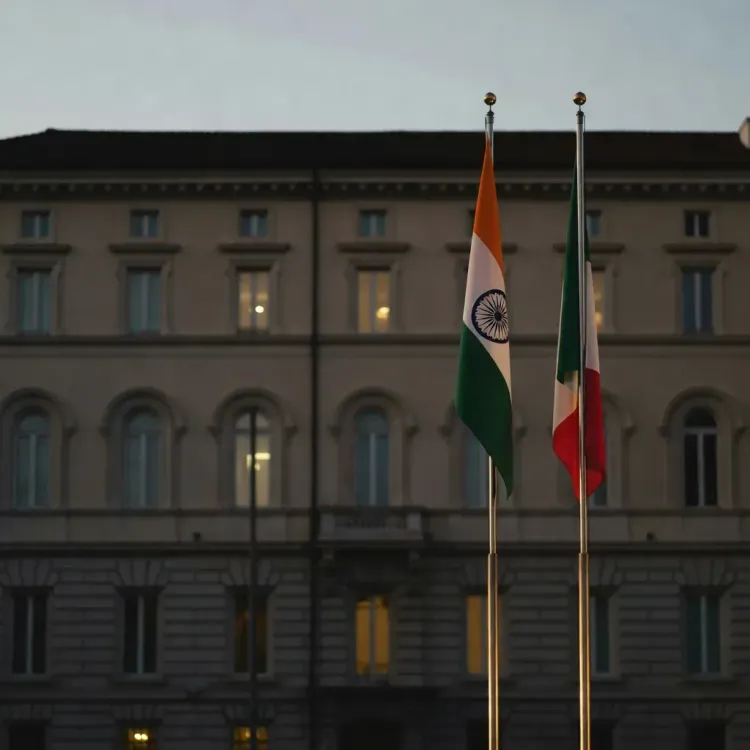
India-Italy ties have spanned trade, defence procurement, migration and people-to-people links for decades. Italy, a European Union member, hosted the G20 Leaders' Summit in Rome on 30-31 October 2021 under the presidency of then Prime Minister Mario Draghi, an event attended by Prime Minister Modi.
Since assuming office in 2014, Mr Modi has undertaken more than 100 international trips, with a marked emphasis on multilateral summits and bilateral economic engagement. Indian prime ministers have, over the past decade, expanded participation in European multilateral forums alongside deeper bilateral engagement with individual EU member states.
The bilateral relationship has also featured recurring defence-procurement controversies, including the 2012 Italian marines case, even as commercial ties in machinery, pharmaceuticals and luxury goods have continued to grow. India and Italy have in recent years signed cooperation arrangements on defence, space and migration mobility.
Stakeholders and impact
The post is likely to draw responses from supporters who view repeated engagement with Italy as a normal feature of multilateral diplomacy — including G20, G7 outreach formats and the India-EU dialogue — and from critics who have periodically sought transparency on the costs and deliverables of prime ministerial travel.
Trade partners, the diplomatic corps in New Delhi and Rome, and Indian parliamentarians who track foreign-affairs spending form the immediate audience. The Ministry of External Affairs has, in past instances, responded to parliamentary questions on visit costs through written replies in the Rajya Sabha and Lok Sabha.
What's next
Attention will turn to whether the government or BJP office-bearers issue a rebuttal, and whether the post triggers fresh parliamentary questions on the itinerary, costs and outcomes of prime ministerial travel to Italy. Any scheduled India-Italy joint commission meeting or upcoming bilateral engagement could become the immediate context in which the question is debated.
For now, Swamy's three-line provocation is likely to circulate widely on social media without, by itself, advancing a specific factual claim — leaving the burden of response on his interlocutors and the public record of past visits.
Point of View
But it lands at a moment when prime ministerial travel and its deliverables remain a live topic in Indian political debate. Italy is a meaningful but not unusually frequent destination on India's diplomatic calendar, anchored by the 2021 Rome G20 and recurring G7 outreach invitations. The intervention extends a familiar Swamy template — short, interrogative, and aimed at inviting public scrutiny rather than presenting evidence. Whether it gains traction will depend on whether opposition benches or independent commentators pick up the thread with specifics.
NationPress
18 Oct 2026
Frequently Asked Questions
What did Subramanian Swamy say about Modi's Italy visits?
Dr. Subramanian Swamy posted on X on 3 June 2026 asking why Prime Minister Narendra Modi went 'so often' to Italy, what the purpose was, and what he learnt. The post offered no further details.
How many times has PM Modi visited Italy?
A confirmed visit on public record is the G20 Leaders' Summit in Rome on 30-31 October 2021. PM Modi has also engaged Italian leaders at multilateral fora including G7 outreach sessions, but a fully verified visit-by-visit tally is not asserted here.
What is the India-Italy relationship about?
India and Italy share ties across trade, defence cooperation, migration mobility and people-to-people links. Commercial engagement in machinery and pharmaceuticals has grown, while the 2012 Italian marines case remains a notable defence-related episode in the bilateral history.
Why does Swamy often question the BJP government?
Dr. Subramanian Swamy, though associated with the BJP, has a long record of publicly raising questions about government decisions on economic policy, appointments and foreign affairs. His interrogative posts on X are a recurring feature of his political commentary.
Has the government responded to Swamy's Italy post?
There has been no formal government or BJP response on record at the time of writing. Any rebuttal would likely come through party spokespersons or, if pressed in Parliament, through written replies from the Ministry of External Affairs.